🤖 The Error Rate Problem: Why a QR Menu Makes Fewer Mistakes Than Your Best Server
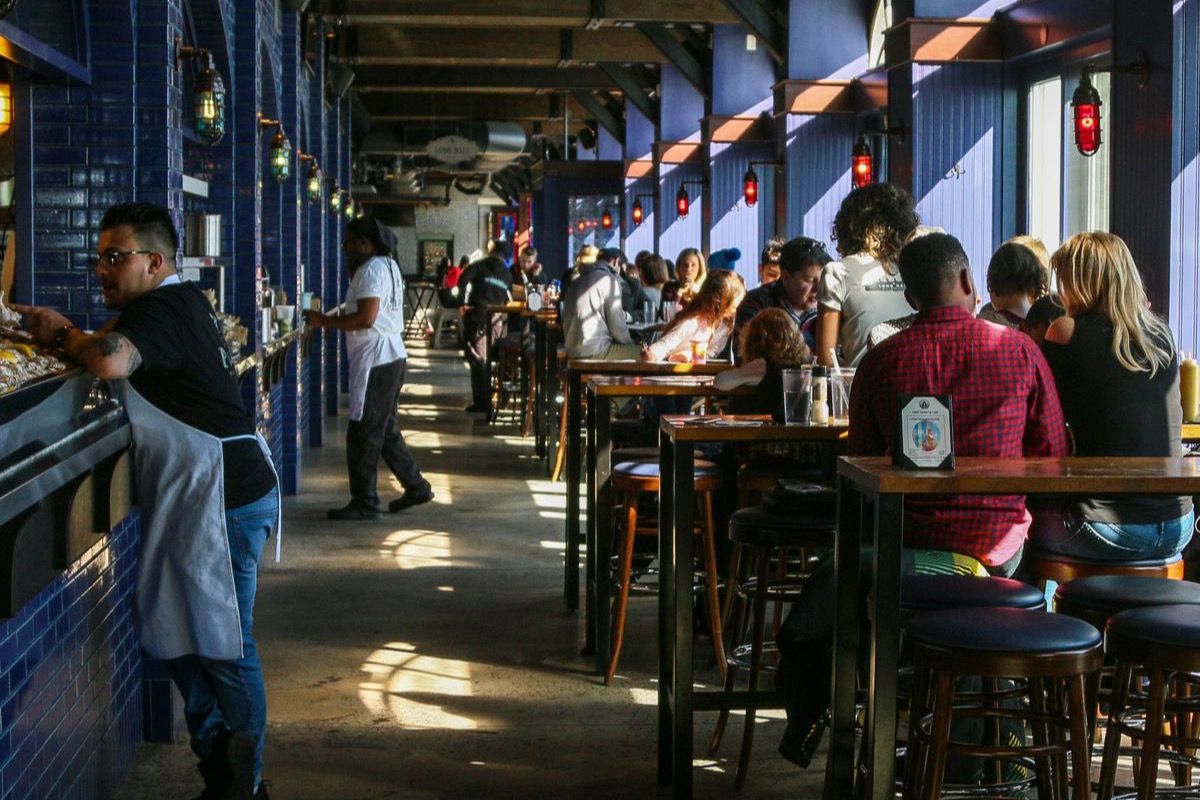
It is 7:40 on a Friday night at a 60-seat diner outside Austin. A guest orders the burger, then adds: "No onions. And can I get the sauce on the side?" The server nods, walks four tables down, and writes it on the pad. Two minutes later the ticket prints: extra onions, sauce on the burger.
Nobody in that chain was lazy. The room was simply louder than the order. That is the part most operators miss: order errors are not a people problem, they are a channel problem. The message travels through a noisy room, a handwritten pad, a memory that is already holding six other tables—and it degrades at every hop.
The 3–8% Nobody Budgets For
Industry research cited by the National Restaurant Association puts the average restaurant order error rate somewhere between 3% and 8%. For a restaurant doing 300 covers a day, that is 9 to 24 incorrect orders every single day—remade, comped, or eaten in silence by a guest who does not come back.
Most owners have never measured this number. They feel it instead: the ticket that gets voided at 8:15, the table that leaves a 12% tip instead of 20%, the Yelp review that says "the food was good but they got my order wrong twice."
Where the Errors Actually Come From
When you break down where order mistakes originate, the pattern is almost embarrassingly consistent:
🗣️ Verbal miscommunication — about 35%. "No onions" heard as "more onions" across a loud dining room.
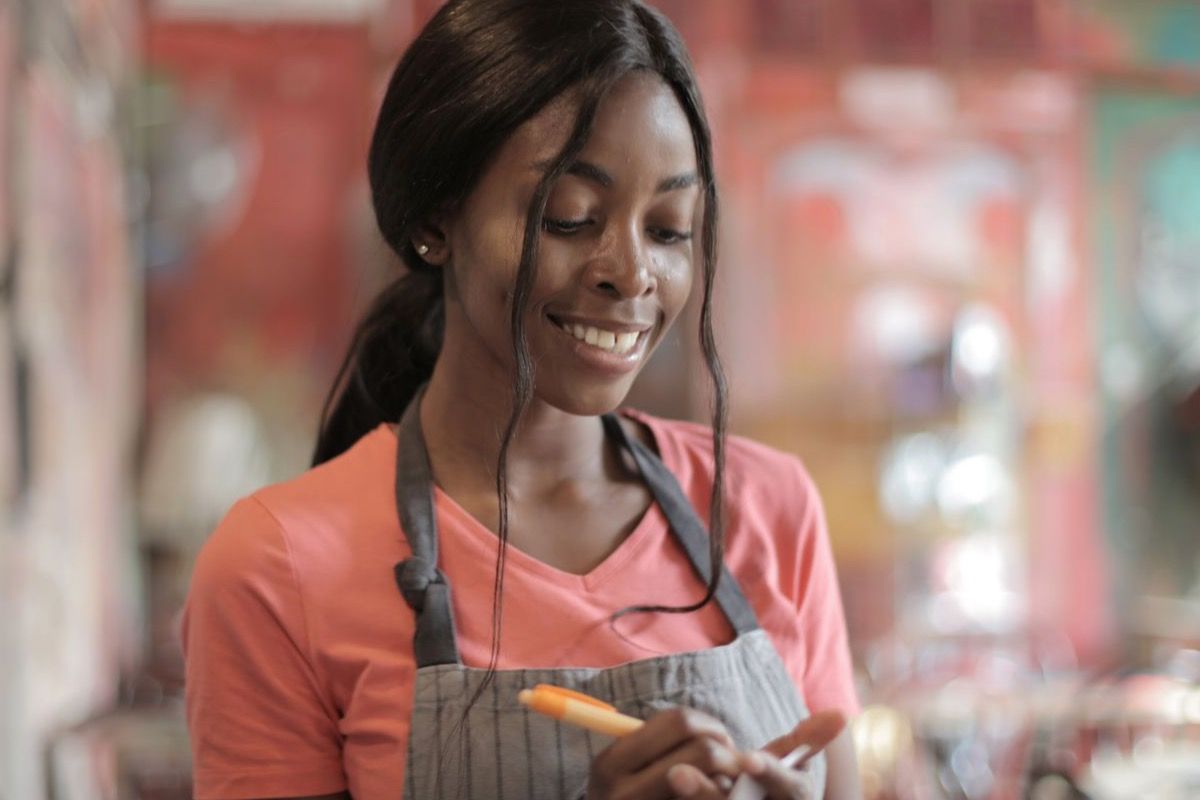
✍️ Handwriting — about 28%. The classic "86 the mayo" scrawled badly enough that the kitchen adds extra mayo.
🧠 Memory — about 20%. A server forgets an item, or fires it on the wrong ticket.
🧩 Customization complexity — about 17%. Modifications get partially applied: gluten-free bun, regular fries.
Notice what every one of those four categories has in common. None of them happen in the kitchen. They all happen in the handoff between the guest and the ticket.
What Happened When 12 Restaurants Removed the Pad
A 2025 study published in the Journal of Foodservice Technology tracked 12 restaurants before and after they adopted QR ordering. The average error rate fell from 5.7% to 0.8%—an 86% reduction.
The more interesting finding was what remained. The errors that survived were almost entirely kitchen-side: a wrong plate picked up, a station mislabeled. Nearly zero were order-entry errors, because there was no longer an order entry step to get wrong.
The guest tapped what they wanted. The ticket printed what they tapped. The handoff stopped being a translation exercise.
The Math on a 300-Cover Day
Take a restaurant at 6% error rate, 300 covers, $22 average check. That is 18 wrong orders a day. Even if you only lose the food cost on half and comp the other half, you are looking at roughly $300–$400 a day walking out the door—before you count the guests who never return.
Then annualize it. At $350 a day, that is over $125,000 a year in remake cost, comps, and lost repeat visits. Most operators would fire a manager over a leak that size. This one does not show up on any report, because nobody is counting it.
Customization Is Where Paper Fails Hardest
The 17% customization slice is the expensive one. It is also the fastest growing, because modern guests treat modifications as a baseline expectation rather than a request.
A guest with a gluten allergy. A halal request. "Sauce on the side." "Extra hot, but no jalapeños." On a pad, that becomes shorthand, arrows, and a margin note the kitchen has to interpret. In a digital menu, it becomes a checkbox the guest taps and the kitchen reads exactly as written.
QRfood was built around that specific gap: dietary flags, spice levels, cooking temperatures, ingredient swaps, and free-text notes that arrive on the correct ticket instead of the correct guess. No shorthand. No translation. No margin notes.
What QR Ordering Does Not Fix
It would be dishonest to end the story here. QR ordering does not fix a rushed line cook, a mislabeled prep bin, or a menu description that promises something the kitchen cannot deliver. 0.8% is not zero.
What it does is remove an entire category of failure from your operation—the category that accounts for roughly 80% of the mistakes and 100% of the arguments. The kitchen errors that remain become visible instead of being buried under order-entry noise, which means you can actually fix them.
How to Measure Your Own Error Rate This Week
You do not need a consultant. For seven days, keep a tally sheet at the pass. Every remade dish, every void, every comp because of a wrong order gets a mark. Every guest who sends something back gets a mark. Divide by covers.
If you land anywhere near 5–6%, you are normal—and you are also leaving six figures on the table every year. If you land under 2%, you already run a tight room, and the question becomes whether that discipline survives your next hire.
Accuracy Is a Margin Decision
Every wrong plate is two costs: the food you threw away and the guest you disappointed. Paper menus and verbal orders guarantee you will pay both, at a rate you cannot see and therefore cannot manage.
A QR menu makes the order a copy instead of a translation. The guest sees what they are ordering. The kitchen receives what the guest selected. Nothing travels through a loud room or a tired memory.
Start free at qrfood.ai. Then count your remakes for a week—and decide whether the pad was ever really doing you a favor.