The Lunch Crowd Has 30 Minutes. You're Spending 10 of Them Just Taking Orders.
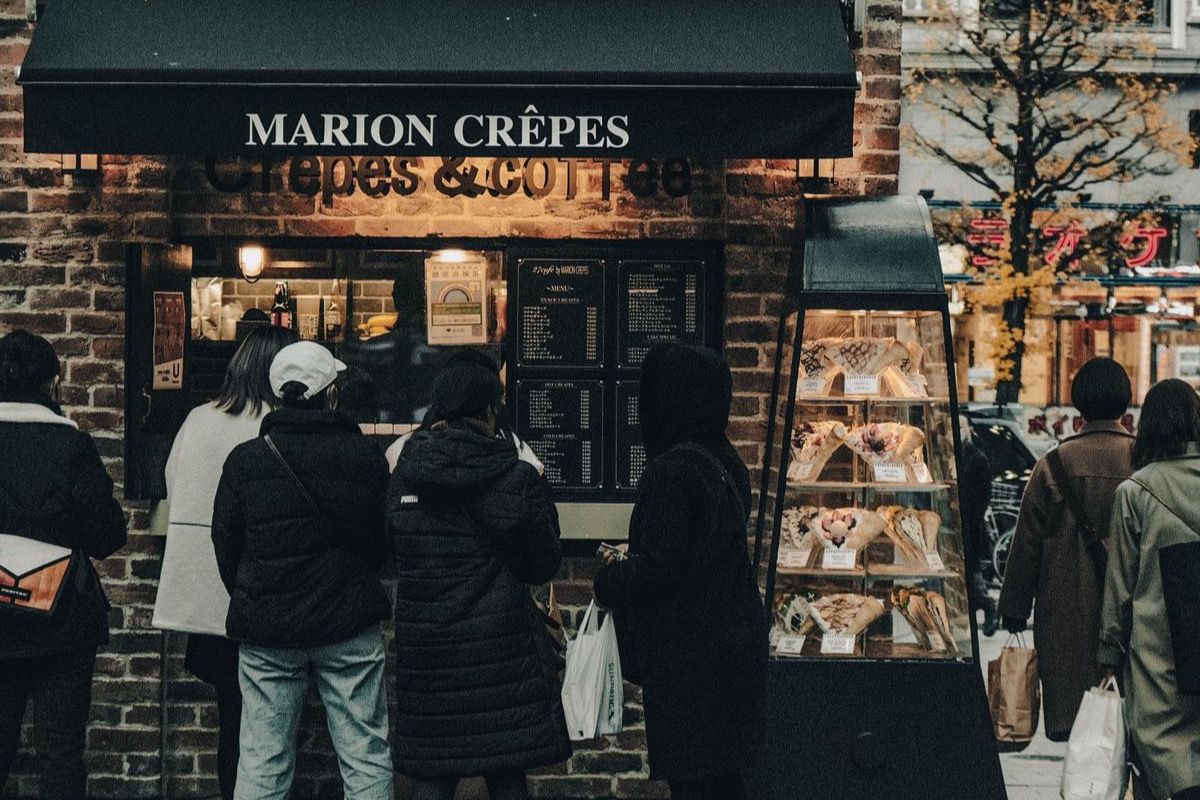
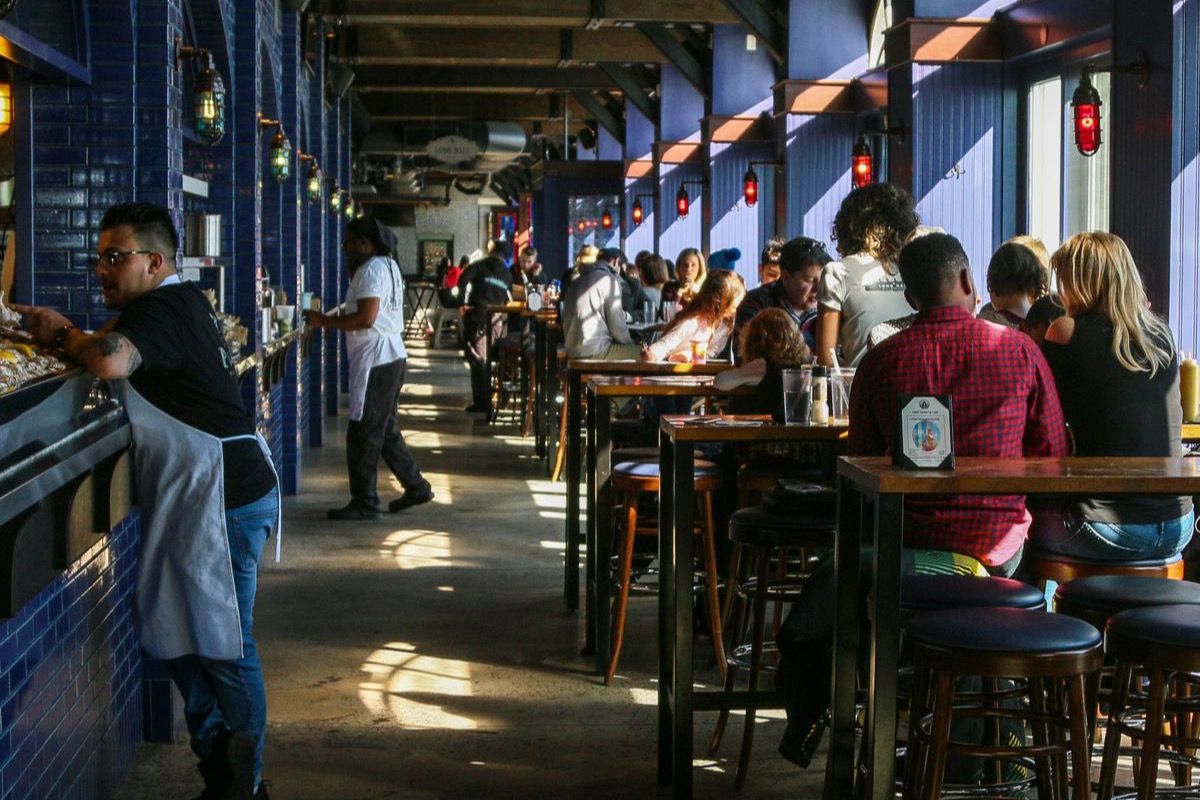
It's 12:15 on a Tuesday in a strip-mall restaurant outside Austin. Every table is full, and four people are standing at the door doing the math on whether they have time for this. Your one server is moving fast. She is also the bottleneck.
Here is what those thirty minutes actually buy your guest. Five minutes waiting to be seated. Four minutes before anyone greets the table. Three minutes to walk through the menu, answer two questions about gluten, and key in the order. That's twelve minutes gone before a single burner gets turned on.
The office worker at table six has a 30-minute lunch break. You just spent 40 percent of it on your process, not on their food.
Why Your Lunch Check Is 25 Percent Lower Than Dinner
Operators usually blame the menu mix. Lunch is sandwiches and salads, dinner is entrées, of course the check is smaller. But watch the same guest at 12:15 and at 7:30 and the pattern is not about hunger.
At lunch, guests cut the appetizer because it adds eight minutes. They skip the second drink because nobody comes back to ask. They wave off dessert because they are already thinking about the parking lot. The check doesn't shrink because they wanted less. It shrinks because they ran out of clock.
Industry data points the same direction. TDn2K's restaurant research has repeatedly found that limited-service concepts with faster ordering capture meaningfully higher lunch traffic than full-service counterparts — roughly 18 percent higher in the studies most often cited. At lunch, speed is not a nice-to-have. It is the product.
The Kitchen Was Never The Problem
Most owners I talk to assume the fix is a faster kitchen. So they add a prep cook, tighten the line, buy a second oven. Then the tickets still come in late, because the bottleneck was never the fire. It was the four to seven minutes of human face time required before an order can exist.
That face time is expensive in a way that doesn't show up on a P&L. It is the reason a server can only cover six tables at peak instead of twelve. It is the reason a hostess has to double as a cashier. It is the reason your best people quit in month four.
What 60 Seconds Instead Of 12 Minutes Actually Changes
Put a QR code on the table. The guest scans, the menu opens in their language with photos and prices, they tap three items, and the ticket prints in the kitchen. No flagging anyone down. No repeating the order back. No walking to a POS terminal.
The first thing that changes is not speed. It is what the guest does with the ten minutes you gave back. They read the whole menu instead of the section the server pointed at. They add the side of fries. They upgrade to the large. They order the three-dollar cookie on the way out because they saw it while scrolling.
The second thing that changes is your server's route. A table that orders and pays on a phone removes two full trips from her path: one to take the order, one to drop and collect the check. On a 25-table section that is dozens of trips a shift, which is exactly the repetitive labor that burns out good staff.
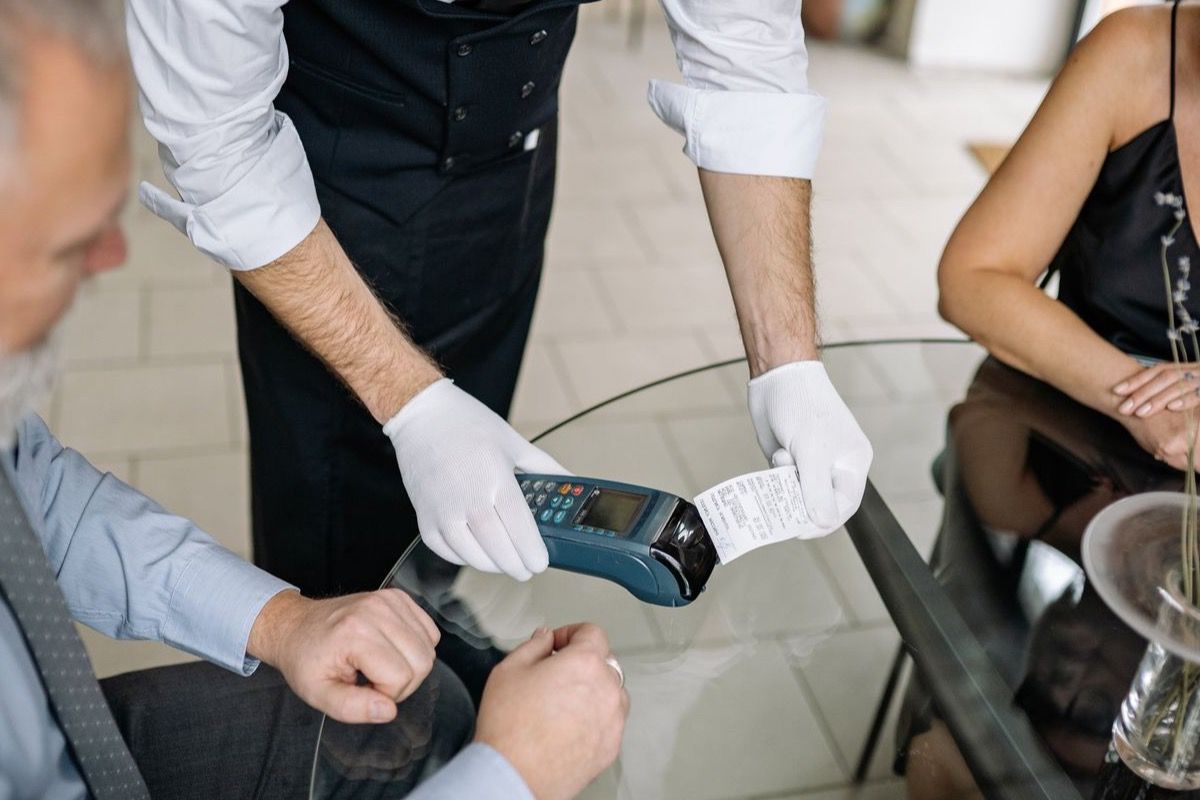
The third thing is the table itself. Lunch turns are won or lost in the last ten minutes. When payment happens at the table without waiting for a card reader, the table clears while the guest is still finishing their water — and the next party sits down four minutes earlier.
The Objections, Answered Honestly
"Older guests won't use it." Some won't, and that's fine. Keep one paper menu in the host stand and one staff member with a tablet. The point is not to force anyone onto a phone. The point is to stop making the phone-only guests wait behind the paper-only guests.
"Tips will drop." In our own restaurant data and in most operator reports, tips hold or rise slightly, because the guest is tipping on a clear screen with suggested percentages instead of hunting for cash. What drops is the awkwardness.
"The check average will fall." This is the one I hear most and the one the data contradicts most often. Guests who browse a photo menu at their own pace order more add-ons than guests being read a list in a loud room. The check goes up when the guest has time to want something.
"My regulars will hate it." Your regulars already know what they want. They are the ones who benefit most from ordering in forty seconds and getting back to the office.
How To Test This Without Rebuilding Anything
Pick six tables. Print a QR code that points to your existing menu. Run it for two weeks and track exactly two numbers: minutes from seated to first order, and minutes from last bite to clean table.
If those two numbers move, everything else moves with them — covers per hour, labor per cover, and lunch check average. If they don't move, you learned something cheap.
One caution: a PDF of your dinner menu is not a digital menu. It is a PDF. Guests won't pinch and zoom through eleven pages at 12:15. The menu has to be built for a phone: sections a thumb can reach, photos where the dish needs explaining, prices visible without scrolling sideways.
Lunch Is A Different Restaurant
Dinner is a two-hour relationship. Lunch is a thirty-minute transaction with a human being inside it. Same kitchen, same food cost, entirely different service physics. Most restaurants run both with the same workflow and then wonder why lunch never makes money.
qrfood runs the lunch version: multilingual QR menus that open in the guest's language automatically, ordering and payment from the phone, real-time sold-out toggles so nobody promises the last bowl of soup, and one dashboard for every language and every location.
The lunch crowd was never asking for faster food. They were asking you to stop spending their break on your order pad.