Restaurant Chargebacks: The $50 Problem Hiding in Your Statements
The email arrives on a Tuesday, usually around 10 a.m., usually before I have finished the payroll run. A cardholder is disputing a transaction of $86.40 from Saturday night. I have seven days to respond with evidence. If I do not, the money leaves my account automatically, plus a fee.
I have run a 90-seat supper club outside Milwaukee for eleven years. For the first eight, I treated chargebacks the way most operators do: as weather. Annoying, occasional, not really something you can manage. Then a processor put us into a dispute monitoring program, my effective rate moved half a point, and I finally sat down and pulled fourteen months of statements.
What I found was not a fraud problem. It was a paperwork problem. And paperwork is something a restaurant can actually fix.
What one chargeback actually costs
The disputed amount is the number everyone looks at, and it is the smallest part of the damage. Here is a real one from last spring, an $86.40 dinner for three:
• Disputed sale reversed: $86.40
• Chargeback fee: $30 (banks typically charge $25 to $35 just to process the dispute)
• Food, labor and rent already spent: roughly $31 at a 36% prime cost
• Staff time pulling receipts and writing a rebuttal: 25 minutes of a manager who is paid $26 an hour
• Card processing on a transaction that no longer exists: still billed
Add it up and a single dispute lands between $45 and $75 in real cost, against a check that was never large to begin with. Do that forty times a year and you have quietly donated a part-time employee's wages to the card networks.
The 1% line nobody watches
This is the part that actually hurts, and almost no independent operator tracks it. Both major card networks run dispute monitoring programs. Cross roughly 1% of transactions in disputes, or 0.9% in some categories, and you enter a remediation program. The consequences range from mandatory fee increases to per-dispute penalties to a rate bump of 0.5 to 1 percentage point on all volume.
Run the math on a restaurant processing $500,000 a year in cards. A half-point increase is $2,500 annually, applied to every transaction you take, forever, because of a dispute ratio you did not know you had. The chargebacks themselves might cost you $2,000. The penalty for having them costs more.
And here is the ugly detail: the ratio is calculated on transaction count, not dollar volume. A restaurant that sells a lot of $9 desserts and $6 drinks is punished faster than a steakhouse doing the same revenue in fewer, larger checks.
Where disputes actually come from
I pulled every dispute from fourteen months and sorted them by reason code. Sixty-one total. The distribution surprised me:
• "I do not recognize this charge" — 22 cases
• "The amount was wrong, or the tip was changed" — 17 cases
• "I was charged twice" — 9 cases, mostly split checks and duplicate authorizations
• "I never received what I ordered" — 8 cases
• Genuine card fraud — 5 cases
Forty-eight of the sixty-one started with the same root cause: the guest did not have a clear, itemized, legible record of what they had approved. Not fraud. Not malice. Just a piece of paper that smeared, or a statement descriptor that said something other than the name on the door.
The paper receipt is the weak link
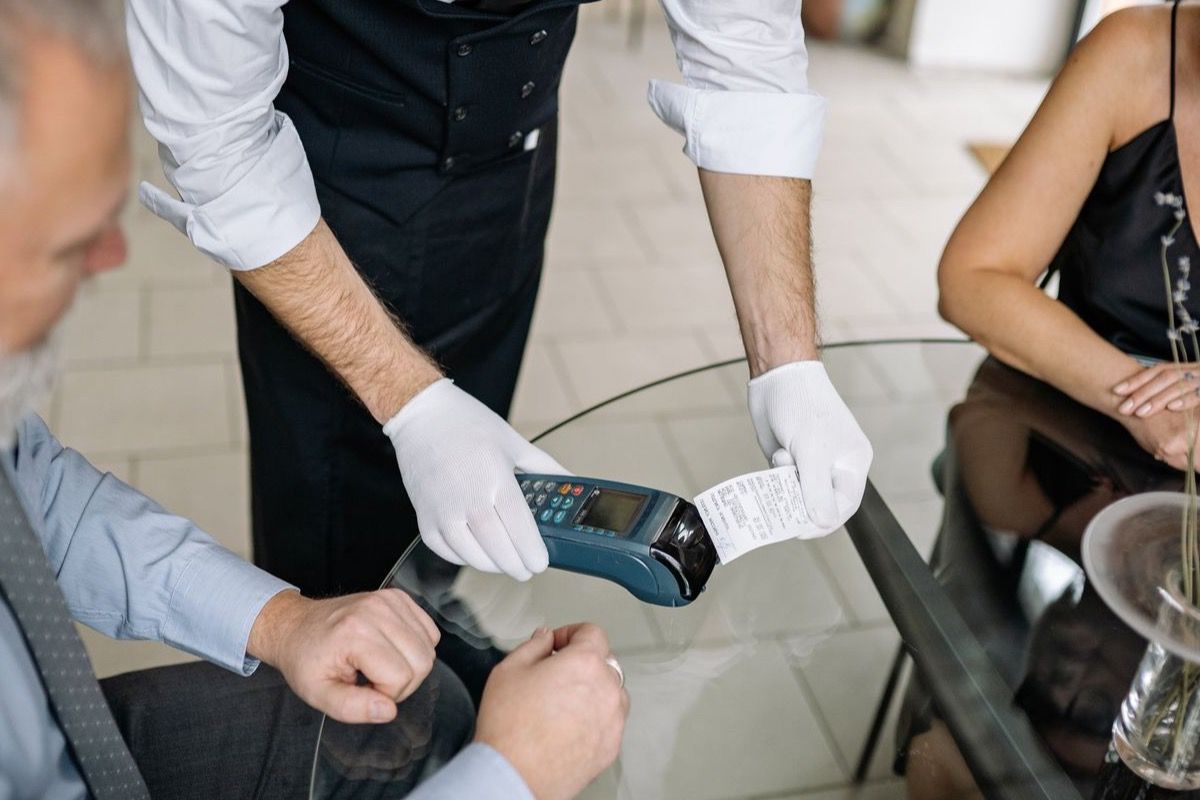
Think about what a guest actually takes home from a normal dinner. A thermal receipt, folded into a wallet, with a tip line in handwriting that could be $18 or $13 depending on the pen. Three weeks later it appears on a statement as "SSP GROUP 4471" or "HOSPITALITY HOLDINGS LLC," because that is the legal entity your processor onboarded, not the name on your awning.
The guest does not call you. They open their banking app, tap the charge, tap "dispute this transaction," and pick a reason from a dropdown. The whole thing takes about eleven seconds. From their side, they are being responsible. From your side, you are now defending an $86 check with a photocopy.
One of my regulars did exactly this last year. She had a wonderful dinner, forgot her reading glasses, signed a receipt she could not read, and disputed the charge a month later because the descriptor meant nothing to her. She was embarrassed when I called. The bank did not care.
What a digital order trail changes
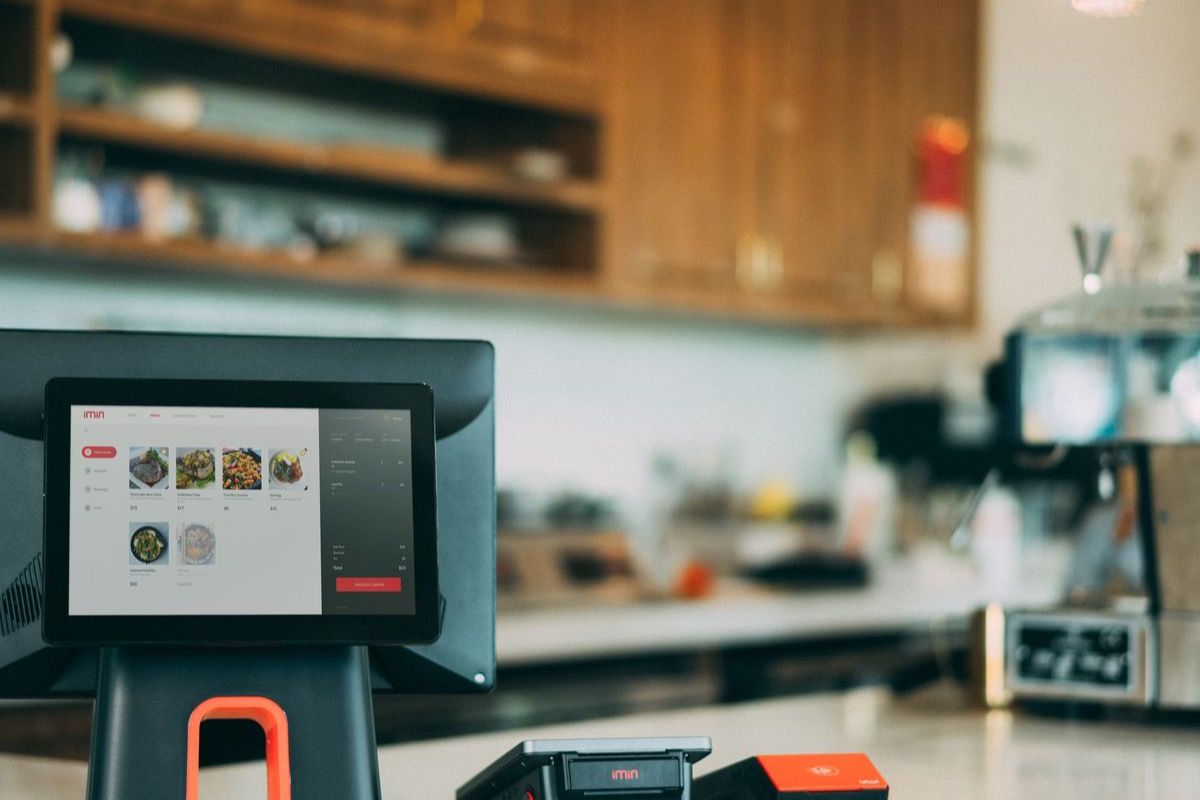
When an order is placed through a QR menu, the record stops being a piece of paper and becomes a data set. For every check you have, in one place:
• A timestamp of when the guest opened the menu, ordered, and confirmed
• The exact items, modifiers, prices and language the guest was reading
• A guest-side confirmation, on their own device, before the kitchen ever saw the ticket
• An itemized digital receipt that can be emailed or texted at the table
When a dispute arrives, the rebuttal is not a shoebox of carbon copies. It is a PDF: what was ordered, when, in what language, at what price, confirmed by the cardholder's own device. Banks weigh that evidence very differently from a photograph of a handwritten slip.
There is a second, quieter effect. When guests can see the itemized total on their own screen before they pay, the "the amount was wrong" category mostly disappears. Not because people are dishonest, but because nobody has to reconstruct a meal from memory three weeks later.
The 60% number, and the honest math around it
QRfood reports that early adopters have cut chargeback rates by up to 60%. I want to be careful with a vendor number, so here is how it lands against my own books.
Sixty-one disputes a year, at an average all-in cost of $50, is roughly $3,050. A 60% reduction removes about 37 of them, or $1,850 in direct cost. On a $500,000 card volume, the published estimate of $1,500 to $3,000 a year in saved fees and lost revenue is in the right neighborhood.
The bigger number is the one that does not show up as a line item: staying under the 1% threshold and avoiding a half-point rate increase worth $2,500 a year. That is the difference between a good quarter and a quarter where you cannot figure out why margins got thinner.
What it does not fix
I am not going to pretend a QR menu stops friendly fraud. It does not. Someone who eats the meal and disputes it anyway will still try, and a small number will succeed. Stolen cards still get used. Processors still make keying errors.
What digital ordering fixes is the largest and most boring category: the guest who genuinely does not remember, cannot read their own handwriting, or cannot match an unfamiliar descriptor to your restaurant. That category was 78% of my disputes. It is the one you can actually engineer out of existence.
A five-step audit before your next statement
• Pull twelve months of chargebacks and sort them by reason code. The pattern will tell you whether you have a fraud problem or a paperwork problem.
• Calculate disputes as a percentage of transactions, not dollars. That is the number the networks use.
• Look up your statement descriptor. If it does not contain the name on your sign, fix it this week. It is free and it removes an entire dispute category.
• Time how long it takes a guest to get an itemized receipt after paying. If the answer is "they do not," you have found your weak link.
• Ask yourself what evidence you could produce in seven days for a check from three Saturdays ago. If the honest answer is "maybe a signed slip," digitize the front of house.
The bottom line
Chargebacks feel like weather until you look at the ratio and realize you are paying for them twice: once in the disputed sale, and again in the rate increase that follows a bad quarter. The cheapest fix is not a fraud tool. It is giving every guest a clear, itemized, timestamped record of exactly what they approved.
That is most of what QRfood does. A menu that opens in the browser, orders that carry their own audit trail, receipts the guest can keep, in the language they actually read. No app, no per-location fee, no contract that outlives your patience.
Try QRfood free at qrfood.ai and run one month of statements against the next. The dispute line is usually the first place the difference shows up.