Miami Is 67% Spanish-Speaking. Your Menu Is Still English-Only.
I was sitting at a café three blocks from Versailles on a Tuesday afternoon, waiting on a cortadito, when the table next to me gave up.
An older couple — Cuban, in their seventies, the kind of guests who have eaten at that counter for thirty years — had been handed a menu with English descriptions and no Spanish ones. They asked the server about the daily specials. He was young, cheerful, and could not explain them in Spanish. So they ordered the only two things they were certain of: a cafe con leche and two pastelitos. Eight dollars.
The kitchen was not out of ropa vieja that day. It was not out of vaca frita or a medianoche. It was out of a way to tell them what was on it.
I have spent nineteen years in Miami restaurants — eight of them running a 74-seat Cuban place off Calle Ocho, the rest consulting for independent operators from Hialeah to Wynwood. I have watched this exact scene play out hundreds of times, in a city that is majority Spanish-speaking, in restaurants that are proudly Cuban, and it is almost never about hospitality. The people in these rooms are generous to a fault. It is about format.
The most bilingual city in America runs on monolingual menus
Miami is the most bilingual city in the United States. Sixty-seven percent of residents speak Spanish at home. Nearly thirty percent speak only Spanish. In Little Havana, those numbers run higher still — and yet walk into any tourist-facing spot on Calle Ocho and you will find menus that are either English-only or Spanish-only. Rarely both, and almost never both done well.
Operators will tell you it is a cost problem. It is not. A bilingual print run costs a few hundred dollars. The real reason is that a printed menu is a fixed object: you commit to a version, you send it to the printer, and then the price of plantains moves and the whole thing is stale. So most owners pick the language that matches the majority of their covers and quietly hope the other guests improvise.
The improvisation is where the money goes.
What an eight-dollar table actually costs
That couple was not going to spend sixty dollars. Let me be honest about the math instead of inflating it. But they were not going to spend eight either. Here is what a confident order looks like for two Cuban regulars at lunch:
• One vaca frita to share — $24
• A side of maduros — $6
• Two beers, or a beer and a batido — $14
• Coffee, which they were going to order anyway — $6
That is fifty dollars against eight. A forty-two dollar gap on a single two-top, and the difference was not appetite. It was vocabulary.
Six tables a day losing twenty-five dollars each is $150 a day, roughly $54,000 a year in a single 74-seat room. I have run that number on my own books and on four other operators' P&Ls, and the range almost always lands between $40,000 and $70,000. Not because guests are cheap. Because when a guest cannot identify a dish, they order the cheapest thing they are sure of, and then they leave early.
There is a second cost that never shows up on a P&L: the guest who felt like a problem. That couple will not come back on a Saturday. They will come back for coffee, at the counter, where they can point.
The 22% number, and why it makes sense
A 2024 study by the Greater Miami Hospitality Association found that restaurants with fully bilingual digital menus saw 22% higher per-table spending than comparable rooms with single-language menus. I did not believe that number the first time I heard it, so I tested it in my own dining room for a quarter.
Twenty-two percent of a thirty-eight dollar check is $8.36. That is not a rounding error — that is an entire extra guest's worth of revenue, added to every table, without a single extra labor hour.
The mechanism is not mysterious. Guests do not order what they cannot identify. They order what they can pronounce, or what has a photo, or what the server can describe in their language. Everything else is risk, and a restaurant is a bad place to take risks with your own money at the end of a long day.
Why the laminated insert fails
Every operator I know has tried the insert. A laminated Spanish sheet, tucked behind the English menu. It fails for reasons that have nothing to do with good intentions.
It doubles the object on the table, so guests have to hold two menus and cross-reference item numbers. It is printed once and never updated, so by month four the specials on it no longer exist. The translation was done by whoever in the family had the best written Spanish in 2019, which means it is warm and idiomatic and occasionally describes a dish that changed two chefs ago. And it marks the guest who needs it as a guest who needs help, which is a feeling nobody wants at lunch.
Now consider the standard Miami four-top on a Saturday: an abuela from Hialeah, her daughter who reads both, a grandson who reads English faster than Spanish, and a friend visiting from Ohio. One table, two languages, one of them barely. A paper menu forces that table into a negotiation. A digital menu just shows each person their own version of the same page.
What a phone-language menu actually changes
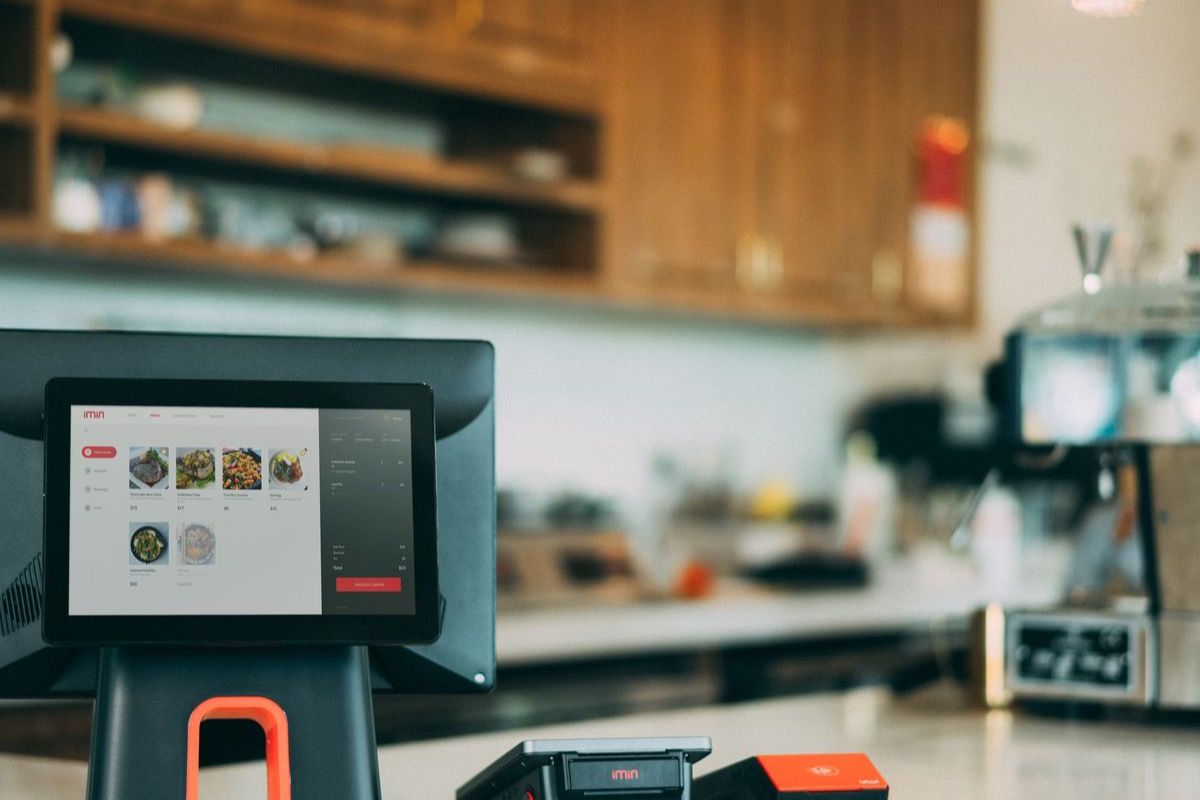
A QR menu opens in the phone's browser. It reads the device language and serves the matching version. No app, no download, no account. The QR sticker on the table does not change; the kitchen ticket does not change; the price does not change. The guest from Ohio sees the Cuban sandwich described in English. The abuela from Hialeah sees the same sandwich described in Spanish. Same food, same code.
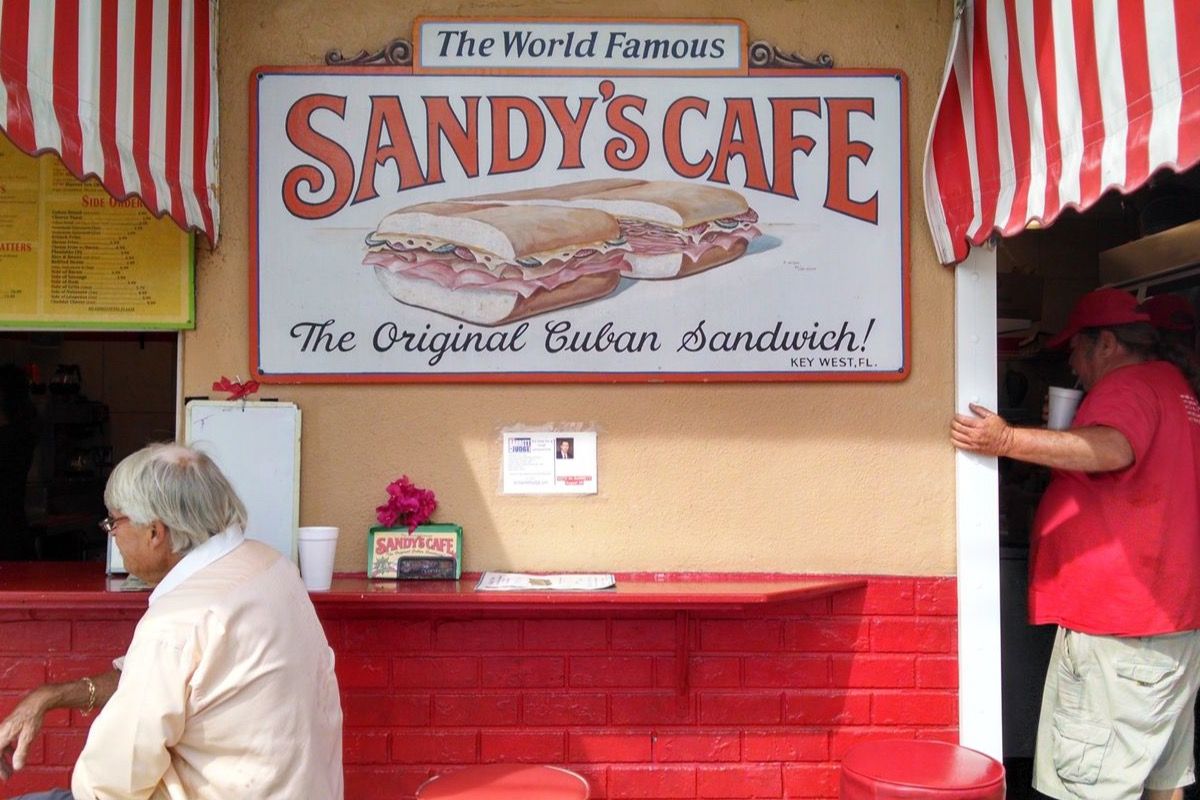
The detail that matters most to a Cuban kitchen is this: the dish names stay Cuban. Medianoche. Croqueta preparada. Vaca frita. Pastelitos de guayaba. You are not translating the culture — you are translating the explanation. That is the difference between a menu that respects the food and one that apologizes for it.
The second-order effects are quieter but real. When the kitchen runs out of ropa vieja at 8:40 on a Friday, the item greys out on every phone in the room instantly instead of being crossed off by a server who has to explain it eleven times. Allergen notes and spice levels live in the same place. And the photo of the medianoche does the selling that a line of Spanish prose cannot do for a guest who has never eaten one.
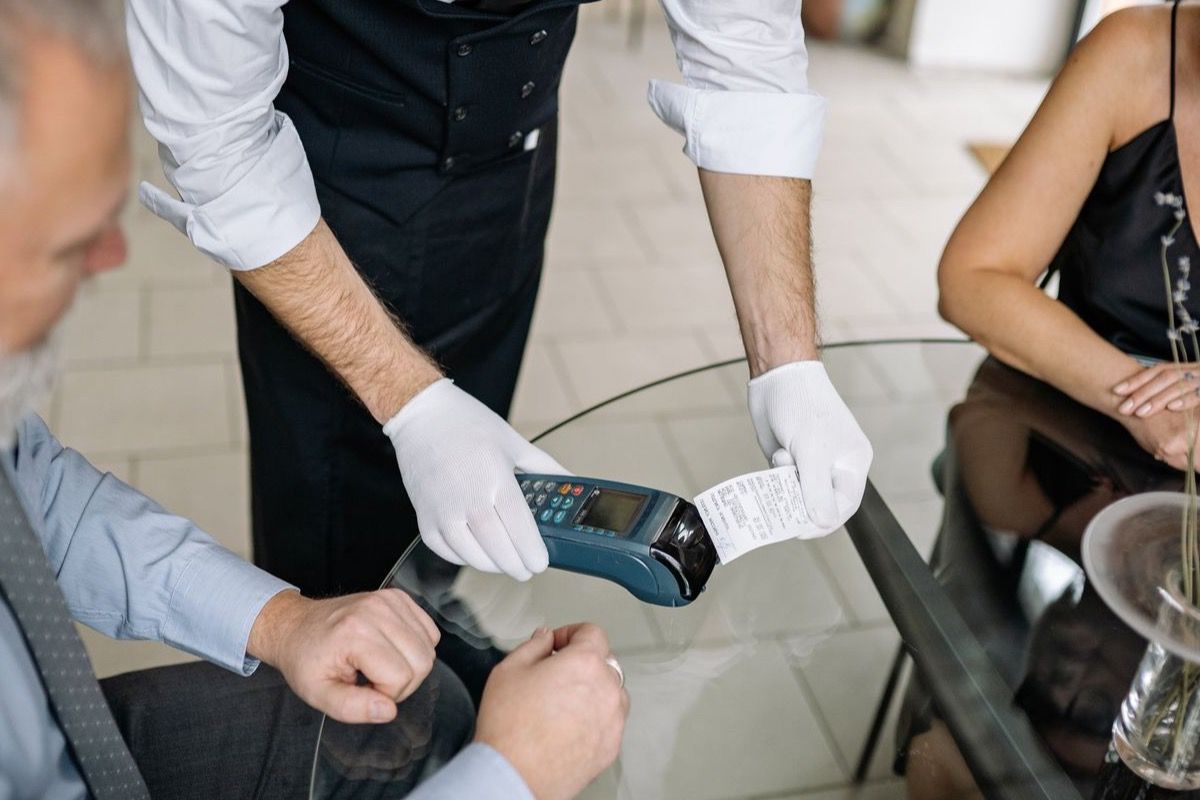
Because the order is placed and confirmed on the guest's own device, you also get an itemized, timestamped record of exactly what they approved — which is a separate benefit the moment a card dispute shows up three weeks later.
The translation trap nobody warns you about
Machine translation will humiliate you in front of your own guests. Ropa vieja comes back as "old clothes." Pastelitos de guayaba becomes "guava cakes," which is technically true and completely useless. Croqueta preparada — a pressed sandwich with croquettes inside — has no English equivalent at all, and any tool that tries will produce something no human would order.
The fix is one human pass. Sit with your best bilingual server, write the Spanish and English descriptions by hand for all forty to sixty items, and then never let a machine touch the dish names again. It is two afternoons of work. It is also the difference between a menu that reads like a translation and one that reads like it was written by someone who has eaten the food.
What it does not fix
I am not going to pretend a QR code solves hospitality. It does not teach a young server the difference between vaca frita and ropa vieja, and it does not make a kitchen faster. A guest who wants to ask "is the pork shoulder fatty?" still needs a person who can answer.
It also does not help the guest with a dead battery or no smartphone. Keep twenty printed menus behind the host stand, in both languages, and offer to order at the table the old way. The digital menu is the default, not the only door.
And it will not fix a menu that is too long or food that is not good. Bad translation of a bad dish is still a bad dish.
A three-week test that costs nothing
You do not need a rollout plan. You need a comparison.
• Week one: put QR cards on ten tables and leave paper on the rest. Tell your servers nothing about which is which.
• Track three numbers per table: average check, items per check, and how many times a guest asks "what is this?"
• Week two: swap the ten tables. Same tracking.
• Week three: compare the two groups, and look specifically at two-tops over fifty and tables with one Spanish-dominant guest.
In my room the gap showed up in items per check before it showed up in dollars — guests were ordering a side and a coffee they had been skipping. The dollars followed within a month.
The bottom line
Miami guests are not refusing to spend money. They are refusing to guess. Sixty-seven percent of this city thinks in Spanish, and the vast majority of its menus are still a single fixed object printed in one language, priced once, and never updated.
That is a format problem, and format problems are the cheapest kind to fix. A QR menu that reads the phone's language costs less than a reprint, updates in an afternoon, and gives every guest at the table — the abuela, the grandson, the friend from Ohio — the same food described in the language they actually read.
Try QRfood free at qrfood.ai. Put it on ten tables next to your paper menus and run one month. The difference usually shows up first in what people order, not in what they pay.