Why Harajuku Dessert Shops Make You Pay Before You Sit
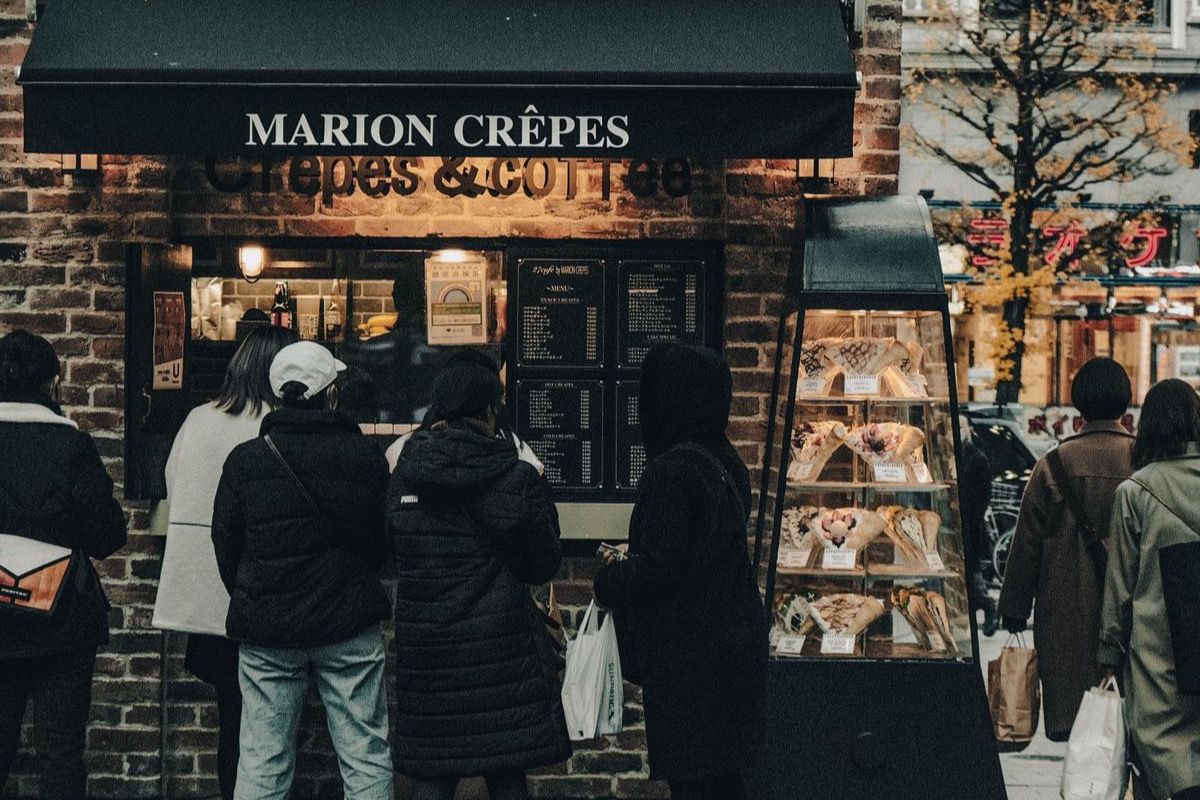
The crepe shop on Takeshita Street has a line that never seems to end. Sixteen people deep at 2 p.m. on a Tuesday. And nobody in that line is holding a menu, because the menu is already in their hand — on the phone they were going to stare at anyway.
I watched a family of four walk up last spring. Mom scanned the code taped to the window, the two kids pressed their faces against the display case, and the father tapped Apple Pay. Ninety seconds from arrival to a paid order: two strawberry-and-cream crepes, one matcha, one plain with extra sugar. They sat down. The crepes landed three minutes later. Nobody asked for a menu. Nobody waited for a check.
The sequence was: decide, order, pay, sit, eat. Five steps. No server required for four of them.
The Seven-Step American Version (And Where It Breaks)
In most American casual restaurants the sequence is: sit, wait, order, eat, wait for the check, calculate the tip, pay. Seven steps, and three of them are waiting for a person who is already busy with four other tables.
Every one of those steps is a place where a guest quietly downgrades their opinion of you. Not dramatically. Not enough to leave a review. Just enough that when a friend asks "how was it?", the answer is "fine."
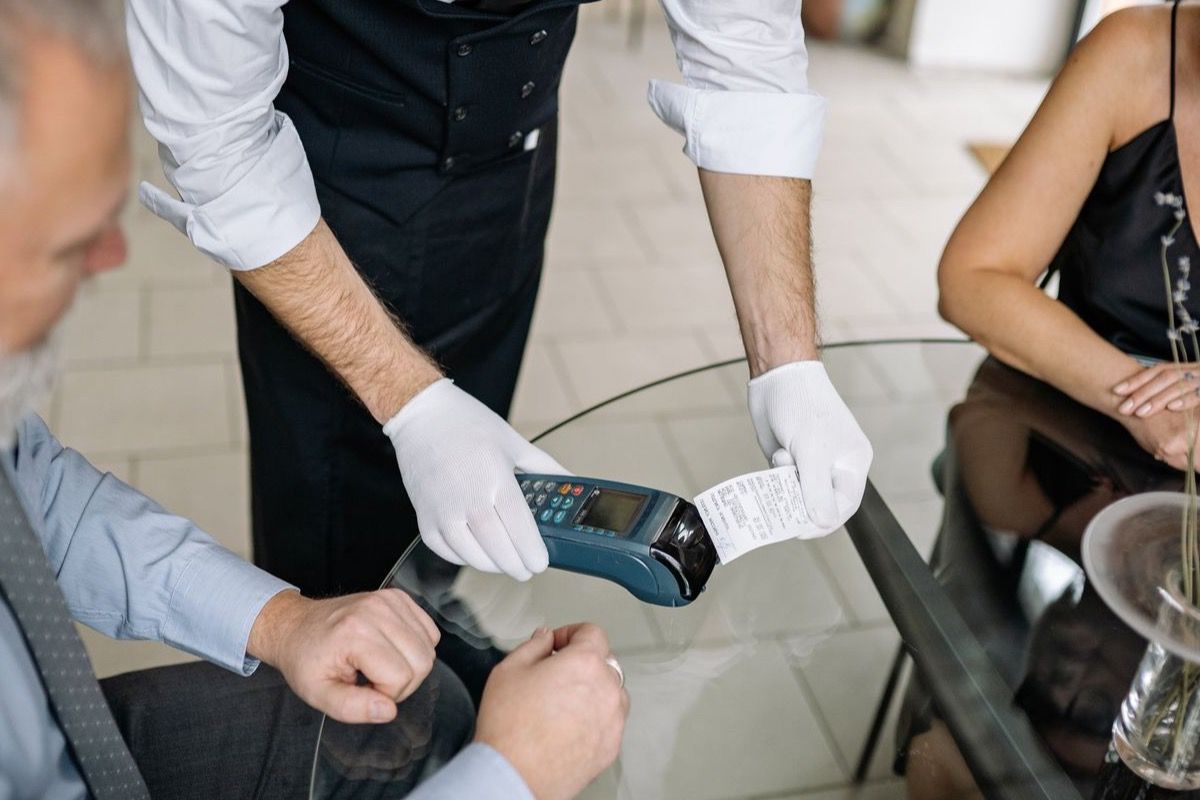
The worst step is the last one. The food was good, the guest is ready to leave, and now they are scanning the room for eye contact with someone carrying a card reader. In my own audits of casual dining rooms, the gap between "guest puts down their fork" and "guest walks out the door" routinely runs 12 to 18 minutes. That is time you are not turning the table and the guest is not enjoying anything.
Paying First Is Not Rude. It Is a Signal.
Western operators sometimes assume prepayment feels transactional, even distrustful — like you are asking guests to prove they can pay before you will feed them. Japanese dessert shops read it the opposite way. Prepayment says: we are not going to hold your exit hostage. You are free the moment you finish.
Ask guests what actually bothers them and almost nobody says "I hated paying at the start." They say "we waited forever for the bill" and "we could not get anyone's attention." The complaint is never about the payment itself. It is about the wait attached to it.
The Math: 90 Seconds Versus 22 Minutes
Run the two flows on the same four-top. Harajuku version: 90 seconds to a paid order, food in three to six minutes, guests leave when they are done. American version: six minutes to first contact, four minutes to order, 55 minutes eating, then 12 to 18 minutes waiting for the check and paying. The delta is not the food. It is 18 to 24 minutes of dead time wrapped around the same meal.
On a 20-table room turning two and a half times a night, recovering 15 minutes per table is worth roughly one extra half-turn on your busiest tables — without buying a single chair. At a $34 average check that is not a rounding error. It is a month of rent.
It also changes the labor math. Every table that pays at the point of order removes one full trip from a server's loop: drop the check, return with the reader, return with the receipt. On a 25-table section that is 75 fewer steps a night, which is exactly the kind of repetitive work that burns out good staff and eats the hours you cannot hire for.
What Happens When You Keep the Old Flow
Three costs show up consistently. First, walkouts at the door: parties who see a 25-minute wait, cannot tell whether the kitchen is fast, and leave. A QR menu that shows live item availability and an honest prep estimate fixes most of that before they sit down.
Second, abandoned checks. The guest who has been ready to leave for ten minutes and is now annoyed enough to under-tip or ask for a manager. Third, table inertia: your best window table sits occupied by two people nursing empty glasses because nobody has brought the bill.
How to Copy This Without Rebuilding Your Stack
You do not need to become a Tokyo dessert counter. You need to move the payment moment earlier and keep the hospitality where it matters.
Start with the menu. Put a QR code on the table and at the door, not a laminated book. Guests who arrive curious and leave without ordering usually just could not read the menu fast enough.
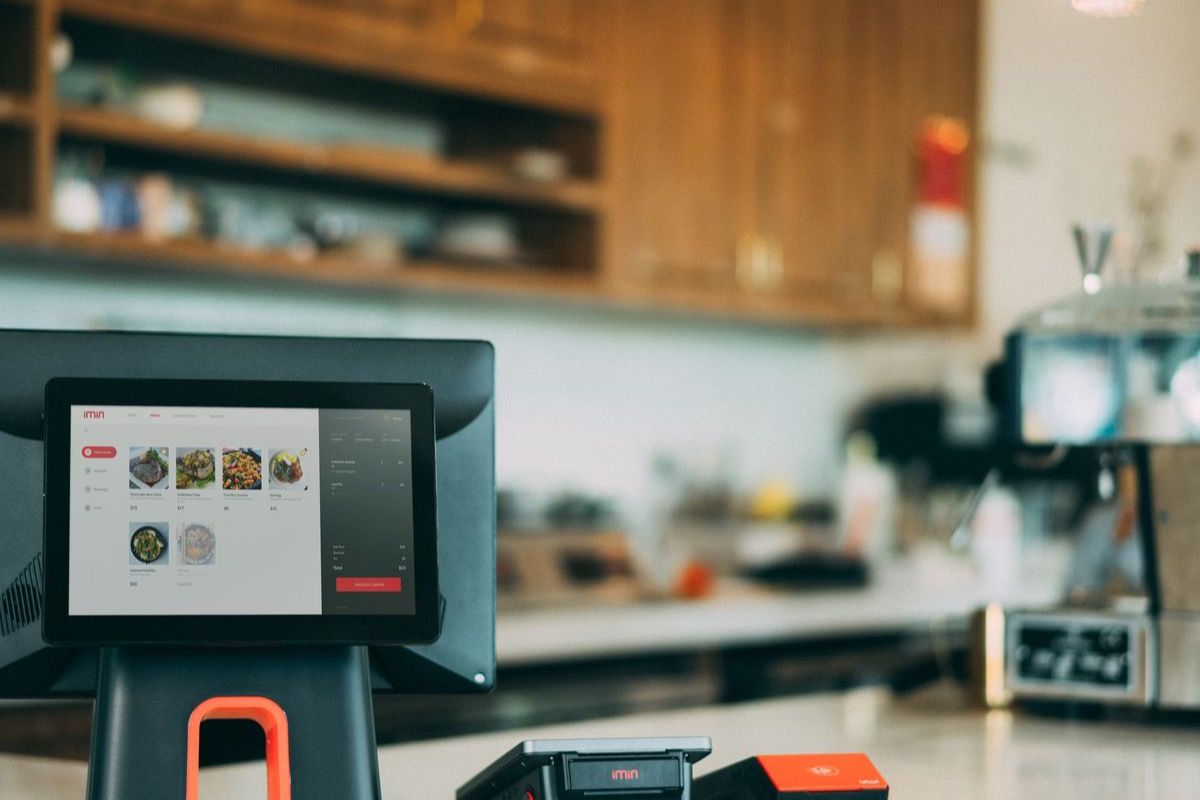
Then let them pay when they order, with the option to open a tab instead. A card or Apple Pay at the point of order removes the check ritual entirely for the majority of parties and keeps the tab flow for the bar and the celebratory tables.
Keep one human touchpoint: the food arriving, the water refilled, the question about whether the sauce worked. That is the part guests remember. Nobody has ever left a five-star review about a payment terminal.
Then measure two numbers only. Minutes from seat to first order. Minutes from last bite to cleared table. If those two move, everything else follows.
The Objections, Answered
"Guests will feel rushed." They will not, because they choose the pace. Prepayment removes the obligation to flag someone down; it does not remove the table. Dessert shops in Harajuku have people lingering over a single parfait for 40 minutes.
"The average check will drop." In practice it usually goes the other way. Guests browsing a photo menu at their own pace add a side, a second drink, a dessert they would not have ordered from a list read aloud across a noisy room.
"Older guests and tourists will struggle." Some will. That is what a staff member with a tablet, plus one printed menu in the drawer, is for. Multilingual menus also convert the tourist table you currently serve with hand gestures.
What Harajuku Actually Teaches
Japan drew close to 37 million international visitors in 2025, and a large share of them end up on Takeshita Street eating something pink. Those shops are not succeeding because the crepes are photogenic. They are succeeding because the flow is designed around the guest's time rather than the restaurant's convenience.
The lesson is not "be Japanese." It is that the last 15 minutes of a meal are the cheapest 15 minutes you will ever recover. Pay first, seat fast, and let the food be the thing people remember.
QRfood runs that flow: a multilingual QR menu, order and pay from the phone, live item availability, and one dashboard for every language and every location. Scan, order, pay, eat — and get your room back.
Because the most expensive seat in your restaurant is the one where somebody is waiting to pay.