Chinese Tourists Don't Carry Cash Anymore — Is Your Menu Ready?
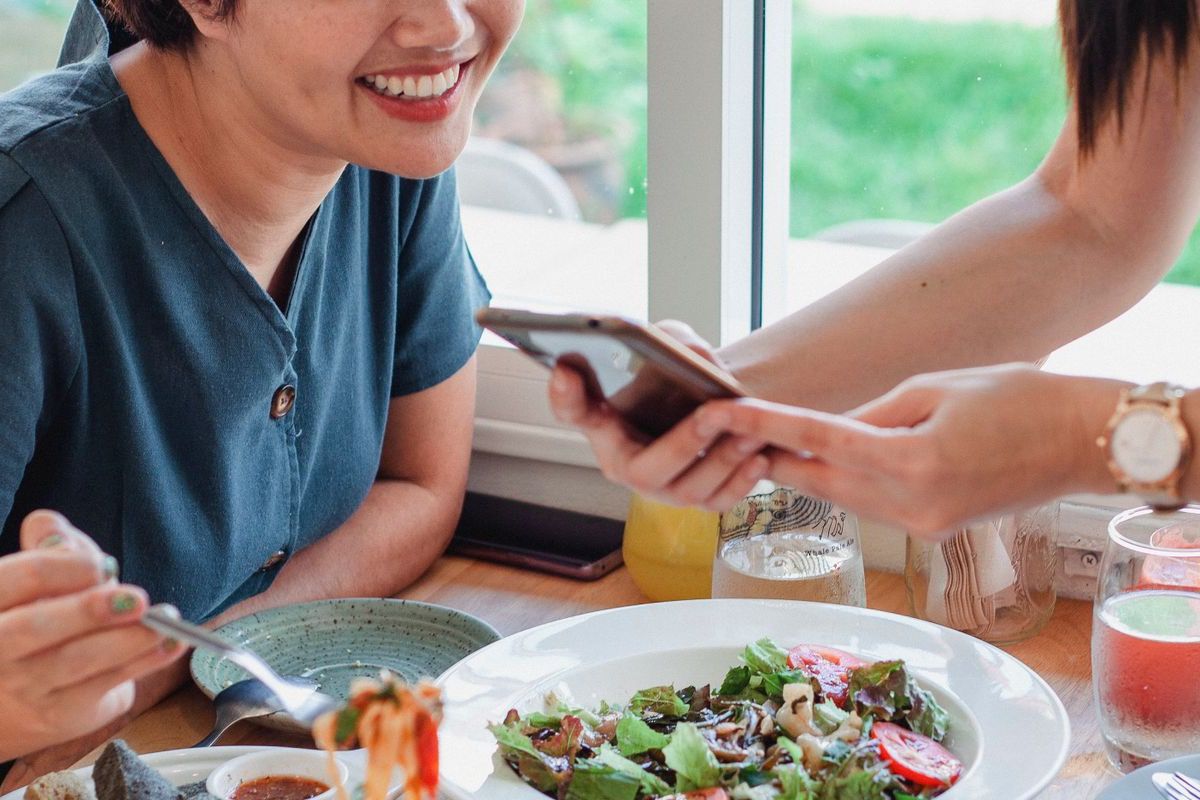
A Chinese tourist walks into your restaurant. She sits down, pulls out her phone, and looks for the QR code taped to the table. There isn't one. She glances at the wall for a QR menu — nothing. So she lifts her phone, opens a translation app, and photographs your laminated English menu. Three minutes later, she gets up and leaves.
I've watched this exact scene play out in tourist districts from Los Angeles to Chicago to New York's Chinatown. It's quiet, polite, and almost never noticed by the owner. And it costs the restaurant a high-spending customer — every single time.
The QR-First Traveler
In 2019, more than 150 million Chinese tourists traveled internationally, and the United States was one of their top destinations. What most American operators don't realize is how differently this guest moves through the world. Chinese consumers are QR-first: they scan codes for payment, menus, coupons, reviews, transit — everything. In their daily life at home, there is no more natural gesture than pointing a phone at a square.
Walk into a restaurant in Shanghai or Shenzhen and the entire experience — ordering, paying, tipping, reviewing — happens on the phone. To this guest, a restaurant with no scannable code feels not just old-fashioned, but closed off.
Why an English-Only Menu Reads as “Not For Me”
Here's the part that's easy to miss: the problem isn't the English. It's the friction. A tourist who can't confidently read a menu doesn't just experience inconvenience — she experiences risk. What if she orders something she doesn't eat? What if the portion is tiny, or the dish contains pork when she wanted chicken?
When a guest can't read the menu, they fall back on the safest, smallest possible order — or they leave. Neither is good for your check average. Neither feels good for them.
The 40% Spending Gap
Restaurants that give Chinese guests a menu they can actually read see a dramatic shift. Across the operators we work with, guests who can scan and read a Chinese-language menu spend about 40% more per meal on average. They recognize familiar preparations and confidently add the extras: a pot of tea, an appetizer to share, a dessert the table can pass around.
These are not budget travelers. They are high-spending tourists who simply want confidence in their choices. Your printed English menu is the one thing standing between them and a bigger, more enjoyable order.
What Your Menu Is Actually Filtering Out
Every restaurant already filters its customers — by location, by price, by cuisine. What many owners don't realize is that an English-only menu silently filters out one of the highest-spending tourist demographics in the world.
Think about where a tourist finds you. They search on Google Maps in their own language. They read translated reviews. They pick the restaurant that feels legible to them. When they arrive and can't read a single line, the promise that brought them in breaks.
What a Chinese-Ready Menu Actually Means
You don't need a bilingual staff, a printed second menu, or a language school. You need three things, all of which live on a phone:
📱 A QR code on the table or counter that opens your menu instantly
🅰️ Your full menu presented in Chinese, alongside English
📲 Ordering that works the way your guest expects — phone-first, WeChat-friendly, no cash required
The moment a Chinese tourist scans your code and reads your dishes in her own language, the whole dynamic changes. She relaxes. She explores. She orders what she came for.
The Three-Minute Setup
Step 1 — Build your digital menu. Log in to your QRfood dashboard and add your dishes with photos, descriptions, and prices. Appetizing language sells: “wok-fired black pepper beef” beats “beef dish.”
Step 2 — Turn on Chinese translation. QRfood translates your menu into Simplified and Traditional Chinese automatically, so your guest reads the same dishes you do — in the language she thinks in.
Step 3 — Print the QR code and place it where tourists look first: the table, the front window, the counter. One sticker, weatherproof and permanent.
What Operators See After the Switch
The results show up in the check average first:
📊 ~40% higher average spend from guests who can read the menu
🍽️ More shared appetizers, teas, and desserts per table
👋 Fewer walk-aways at the door and fewer unanswered questions
🌍 A menu that greets every guest in their own language, instantly
⭐ Higher satisfaction — guests order with confidence, not guesswork
Common Questions
“Won't Chinese guests already know what American food is?”
Some will. Most won't. And even those who do want to see the ingredients, the portions, and the price in their own language before they commit. Confidence is what drives the order size.
“Is it expensive to add Chinese?”
QRfood starts free, and multi-language menus are part of the platform — not an add-on you pay translators for. If it lifts one table a night by 40%, it has already paid for itself.
“Do I need separate QR codes for different languages?”
No. One code detects the guest's language — or lets them switch with a tap. The same sticker serves every tourist on the block.
Your Next Tourist Doesn't Have Cash — She Has a Phone
The Chinese tourist walking your neighborhood today is carrying a phone, not a wallet, and a lifetime of QR habit. She will scan the restaurant that gives her a reason to.
A QR menu with Chinese language support is no longer a nice-to-have. It is the difference between “this place gets me” and “this place wasn't for me.” And that difference is worth roughly 40% of the check.
Set it up in three minutes. Scan. Read. Order. Come back. Because the restaurants that win the next decade of tourism are the ones that make every guest feel at home — in any language.