🥩 Tokyo Taught Me What Real Order Accuracy Looks Like
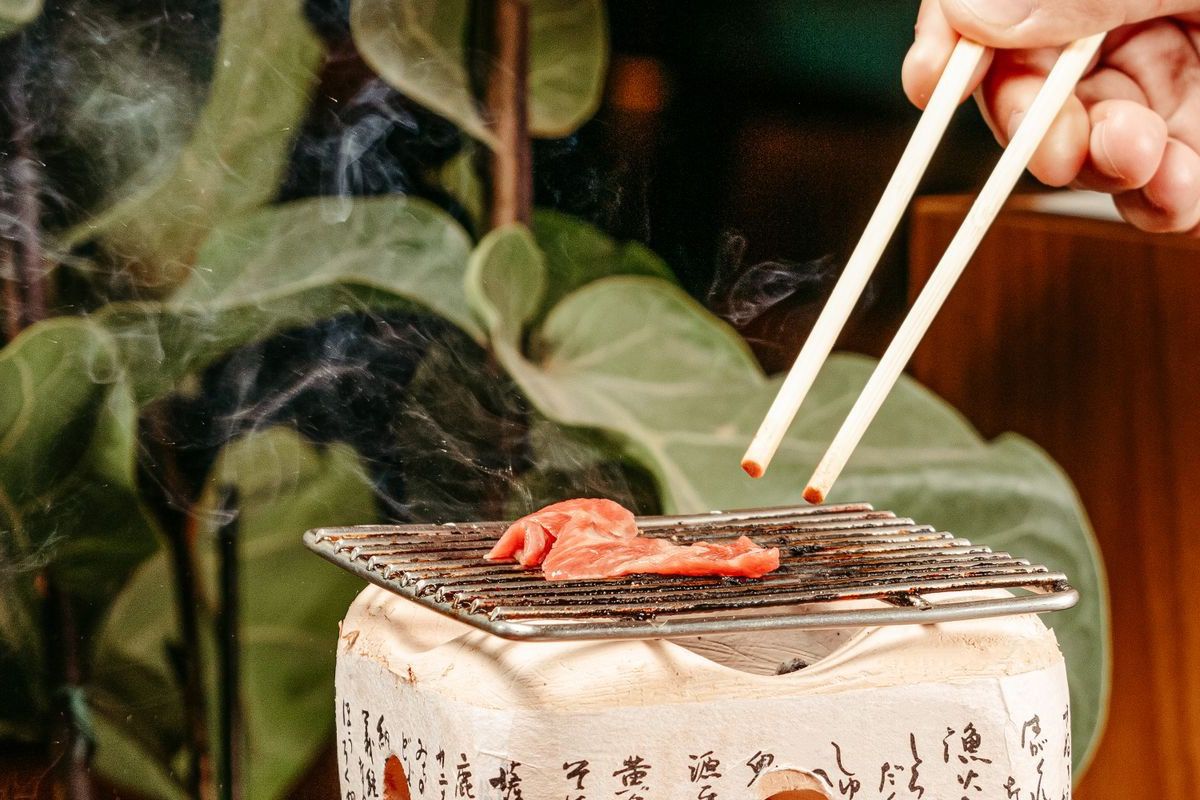
The grill is glowing in the center of the table. Seven dipping sauces crowd the left side. A plate of raw beef arrives with cuts I can barely pronounce — harami, karubi, tongue — each with its own Japanese name and its own suggested grilling time. By every rule of restaurant physics, this should be ordering chaos.
It wasn’t. At every yakiniku (Japanese BBQ) spot I visited in Tokyo — from the budget chain Gyukaku to a premium Wagyu specialist in Ginza — the order accuracy was near 100%. Not one wrong cut. Not one missing sauce. Not one “that’s not what I ordered.”
The Ordering System Behind the Smoke
The secret wasn’t better-trained servers. It was a better ordering channel: every table ordered through a QR-powered digital menu. Customers saw exactly what they were getting — grade of meat, cut, suggested grilling time, portion size, and price per piece. No ambiguity. No verbal relay. No handwriting to misread.
The ticket went straight to the kitchen. The meat arrived at the table. The customer grilled it themselves. Done. The whole transaction happened without a single word being lost between a guest’s appetite and the kitchen’s ticket rail.
Back in the US: The Order That Got Rewritten Three Times
A few weeks later, I watched a Korean BBQ server in Los Angeles rewrite a table’s order three times. The guest wanted one cut of brisket; the server heard another. The kitchen was backed up. The table was frustrated. And that server’s tips? Slashed.
It wasn’t the server’s fault. It was the system’s fault. Verbal ordering over a loud dining room, shorthand scribbled on a notepad, a language gap between guest and staff, a menu with no photos — every step was a place for the order to bend. In yakiniku, where one guest at a table of four might order a different cut and doneness for every piece of meat, that kind of relay simply can’t hold.
What a Wrong Order Actually Costs
A rewritten order doesn’t just annoy a table. The kitchen fires meat that gets sent back — that’s food cost and labor cost with zero revenue attached. The table waits longer, so their next visit is less likely. And in 2026, one frustrated guest with a phone is a one-star review with a photo. The cost of an inaccurate order is never just the dish.
The Tokyo Fix: Let Guests Order Themselves
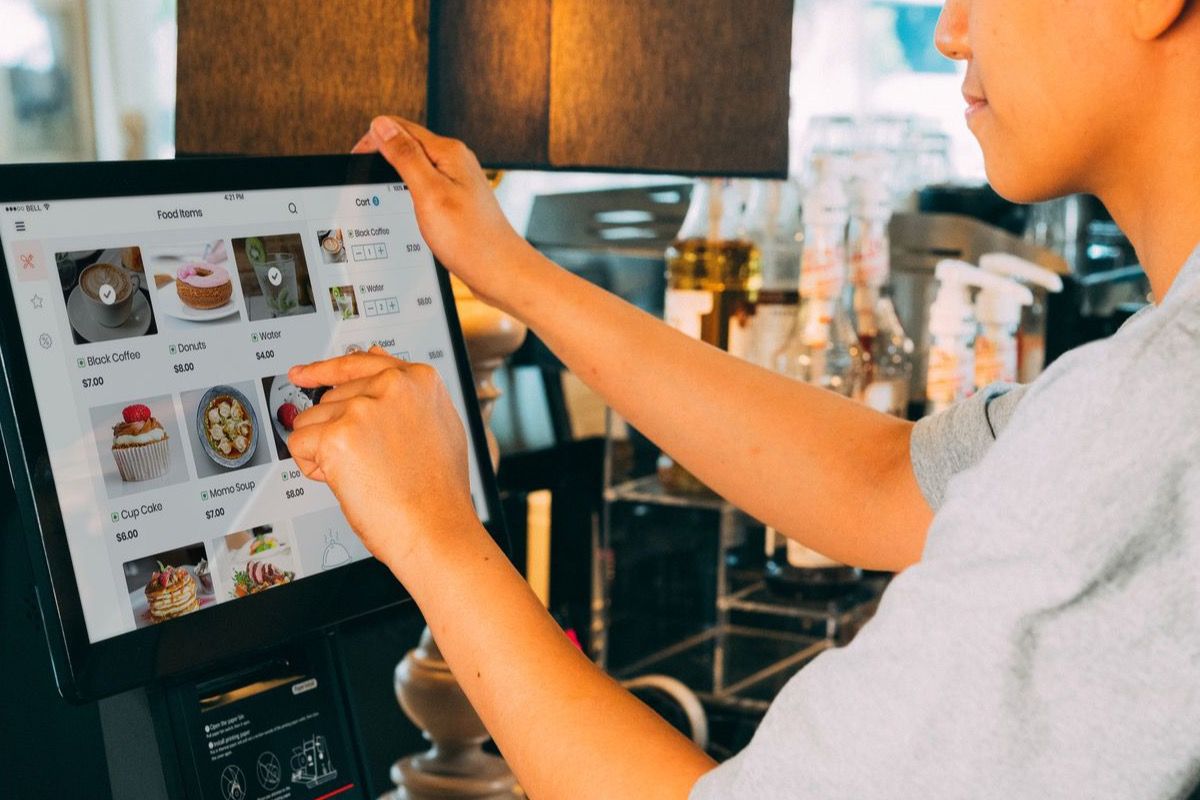
Here’s the truth: when customers can see, select, and submit their own orders, accuracy jumps. QRfood’s system — already live in 500+ Japanese restaurants — eliminates the translation gap, the handwriting error, and the “I thought you said” moment entirely. The guest chooses from a menu with photos, descriptions, and modifiers in their own language. The kitchen gets a clean, complete ticket. Nobody translates. Nobody guesses.
What That Means for Your Dining Room
Your kitchen runs smoother when tickets arrive complete the first time. Your front-of-house breathes easier when they’re not decoding notepads mid-rush. And your customers get exactly what they asked for — which is the entire point of hospitality.
Tokyo didn’t solve order accuracy with louder servers or stricter training. It solved it by taking the ambiguity out of the order. Your restaurant can do the same thing tonight.
🥩 Get order accuracy like Tokyo at qrfood.ai — set up your digital menu in minutes, and let your guests order with total clarity.