European Tourists Expect Multilingual Menus — And They Will Walk If You Do Not Have Them
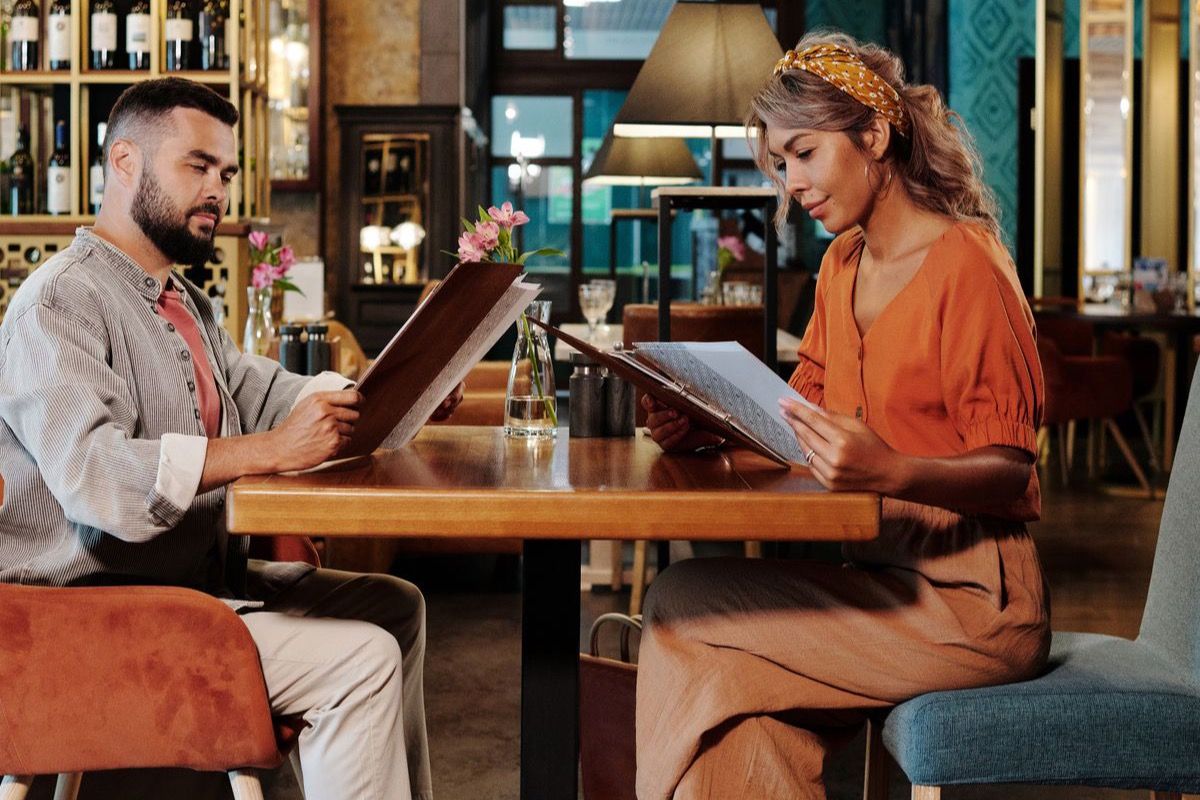
A German couple on vacation in New Orleans steps into a French Quarter bistro at 7:40 on a Tuesday evening. They have been traveling for two weeks — Paris, London, Barcelona. In every one of those cities, the menu came in English alongside the local language. They assumed America would work the same way.
Six minutes later they are back on the sidewalk. Not because the food looked bad. Because they could not read the menu with confidence, did not want to spend dinner translating every line on a phone, and quietly decided they were in the wrong place.
What European Travelers Actually Expect
In Paris, a tourist-facing restaurant defaults to French, English and often Spanish. In Berlin, an English menu is standard, not a courtesy. In Barcelona you will find Catalan, Spanish, English and frequently German on the same page. Multi-language menus are not a premium perk in Europe — they are baseline infrastructure, the same way a restroom or a card reader is.
This is not a niche audience. Before the pandemic, the UK, Germany and France alone sent more than seven million visitors to the United States each year, and Germany by itself accounted for roughly two million. Add Italy, Spain and the Netherlands and you are describing one of the highest-spend, longest-staying tourist segments in the country. They book tours, they drink wine, they order dessert, and they tip.
The Six-Minute Walkout
Here is what actually happens at the table. The hostess hands over a single-language menu. The couple recognizes maybe sixty percent of the words. One dish is described with a regional term nobody outside Louisiana uses. They pass a phone back and forth, squinting at a translation app that renders "andouille" as something no one would order.
The reaction is rarely anger. It is disengagement. They order the two safest items, skip the appetizer, skip the cocktail list, skip dessert, eat quickly and leave. The check is smaller than it should have been, and the review three days later says something like "food was fine, but hard to understand the menu."
The Revenue Math Nobody Runs
Restaurants that offer menus in three or more languages report about 25% higher per-table revenue from international guests. That number is not magic — it comes from appetizers, drinks, dessert and the confidence to order the dish the kitchen is actually proud of.
Run it on a modest French Quarter restaurant: 40 international covers a week at a $42 average check. A 25% lift is roughly $420 a week, or about $22,000 a year, from guests who are already walking through the door. You are not buying new traffic. You are keeping revenue that currently walks back out.
Then add the invisible cost: a single review that says "couldn't understand the menu" sits on your Google profile for years, in front of every future traveler who reads reviews before choosing where to eat.
Why Paper Menus Cannot Keep Up
Four languages on paper means four print runs, four rounds of proofreading, and four versions that go out of date the moment you change a price or 86 a dish. Most independent restaurants solve this by printing English only and hoping the server can improvise.
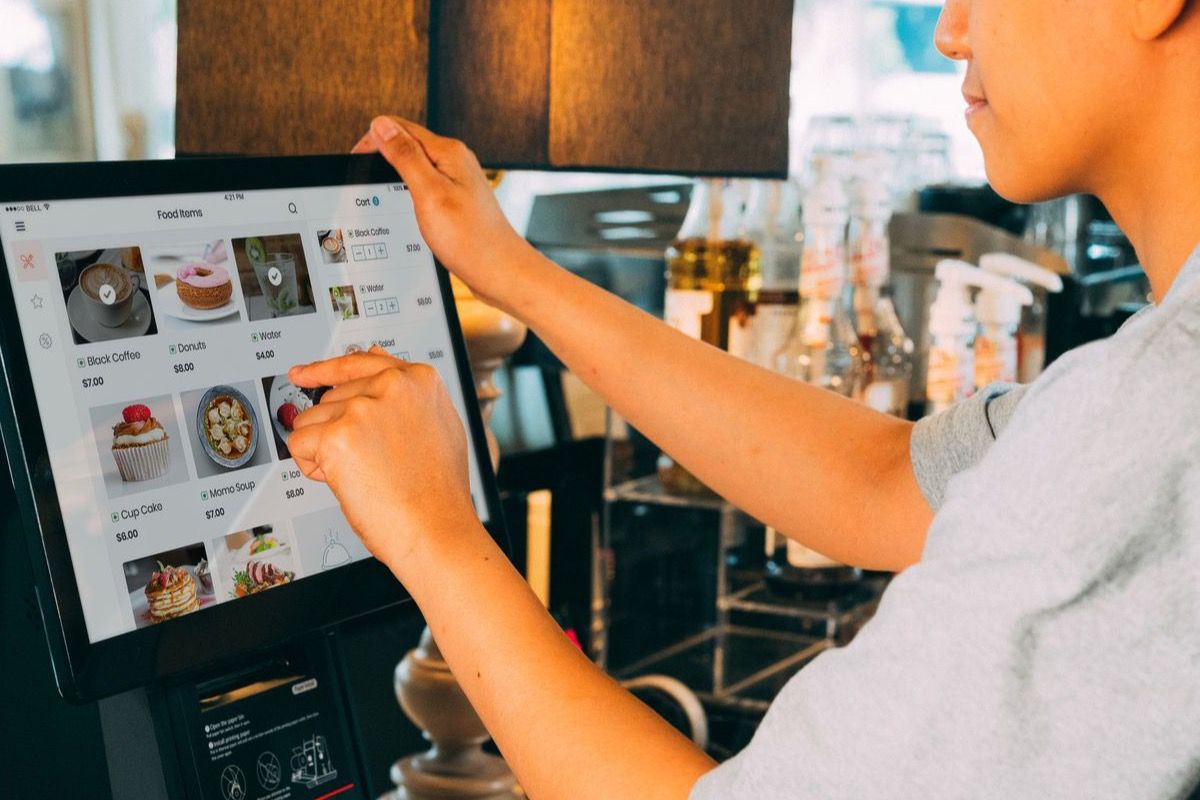
A digital menu removes the trade-off. One QR code at the table opens the menu in the guest's own language, with descriptions, photos and allergen notes. Change a price at 4 p.m. and every table sees it at 4:01. Add a language for a new tour season without printing anything.
How to Fix This in One Afternoon
Step 1: Build the menu once. Log into your QRfood dashboard and enter your dishes with descriptions, prices and photos. Write descriptions the way a guest would understand them, not the way the kitchen talks: "smoked pork sausage with rice and Creole spices" beats "andouille".
Step 2: Turn on languages. Add English, French, German, Italian, Spanish, Japanese and Chinese. The platform handles the menu structure; you review the translations for the dozen dishes that carry your identity.
Step 3: Put the code where the decision happens. One sticker on the table tent, one at the door, one on the window. Train staff to say one sentence: "Scan here and the menu opens in your language." That sentence alone changes the tone of the greeting.
Translate These First
• Dish names plus a one-line description — never a name alone.
• Allergens: gluten, dairy, pork, shellfish, nuts. European guests ask directly and expect a clear answer.
• Spice level, because "spicy" means something different in Berlin than in New Orleans.
• How to order and how to pay — counter, table, card, phone.
• Hours and last seating, which is the second most common question after the menu.
What Restaurants See After
📊 International tables spend about 25% more per cover
🍷 Drink and dessert attachment rises when guests understand the list
⏱️ Order taking is faster because questions drop
⭐ Reviews mention "easy to understand" instead of "confusing"
🌍 German, French, Italian and Spanish guests become repeat visitors on their next trip
Common Doubts, Answered
"Won't older guests struggle with a QR code?" Keep three printed menus behind the host stand. In practice, most guests under 70 scan without being asked, and European travelers scan more readily than Americans because they have done it at home for years.
"Is machine translation good enough?" For the ninety percent of dishes that are straightforward, yes. For the ten that define your restaurant, have a native speaker check the wording once. It takes an hour and it protects your reputation.
"What does it cost?" QRfood starts at $199 a month, with unlimited languages and instant updates. One saved international table a week covers the subscription.
The Hospitality Standard Has Already Changed
Your European guests are not comparing you to the restaurant down the street. They are comparing you to a bistro in Lyon that handed them a menu they could read without thinking. That comparison happens in the first ninety seconds, before anyone tastes the food.
A QR menu does not replace hospitality. It removes the one moment where hospitality usually breaks — the moment a guest has to guess what they are ordering.
Start a free trial, put one code on one table, and watch what happens the next time a table of four sits down speaking German. That is the whole test.