They Ordered the Wrong Thing. They're Not Coming Back.
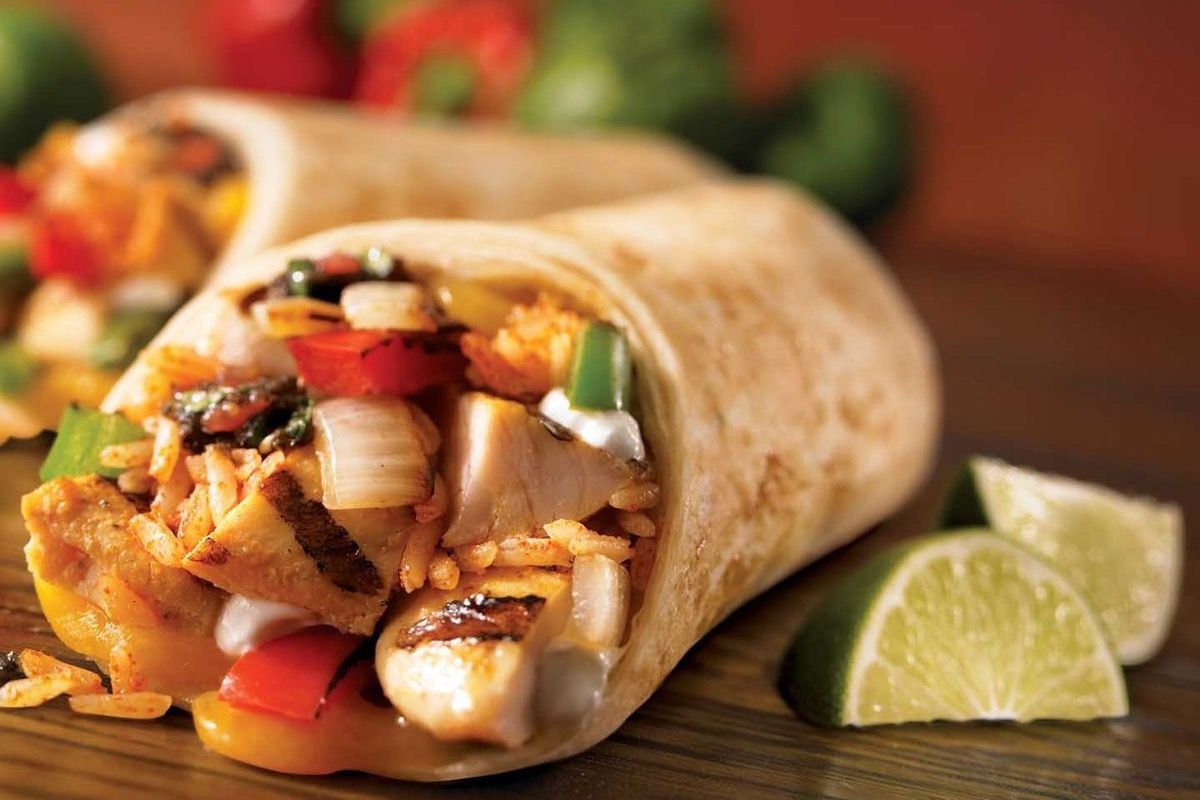
Maria speaks Spanish at home. She had been to the taqueria on the corner three times — a regular in the making. On her third visit, she tried to order the pollo asado burrito. The server misunderstood and handed her carnitas. Maria doesn't eat pork.
She didn't complain. She didn't ask for a remake. She just ate the rice and beans, left a polite smile, and walked out.
Six months later, she still hasn't come back.
You lost a good customer. Not because your food is bad. Because your menu and her language didn't match.
Wrong Orders Are the Silent Killer of Restaurants
Every wrong order is more expensive than it looks. The kitchen remakes the dish — that's ingredient cost, plus a bottleneck that slows down every other ticket behind it. The customer waits longer, watches other tables get their food, and leaves with a memory of frustration instead of great food.
A Toast study found that 1 in 5 diners won't return after a bad ordering experience. And when a language barrier is part of that experience? That number climbs.
Here's the part that hurts most: most of these customers never tell you. They don't leave a review. They don't ask for a manager. They just disappear — and you never know why.
The Language Gap You Can't See
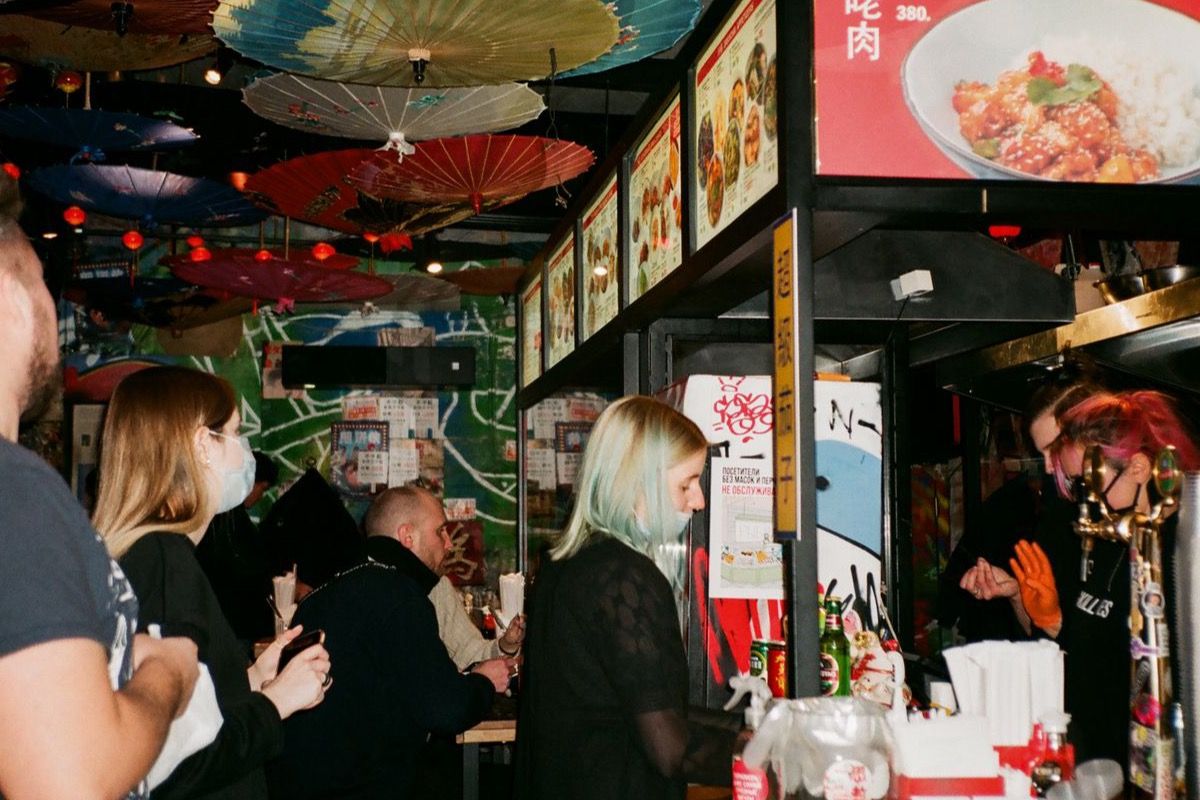
Walk into any taqueria, pho shop, or Korean barbecue house in America and listen. You'll hear Spanish, Vietnamese, Mandarin, Cantonese, Korean, Arabic — sometimes all in one lunch rush.
Your staff does their best. But when a customer can't read the menu and the server can't explain the dish, something gets lost in translation. The customer is embarrassed to ask again. The server is rushed. The order comes out wrong. Nobody complains, and nobody comes back.
You can't hire bilingual staff for every language your customers speak. That's not realistic for any independent restaurant. But you can give every customer a menu they actually understand.
What If the Menu Spoke Their Language?
Imagine Maria scanning a QR code on the counter. Her phone opens the menu in Spanish — not Google-translated Spanish, but a menu written the way she actually talks. Pollo asado burrito with a clear description, a photo, and a price she can read without squinting.
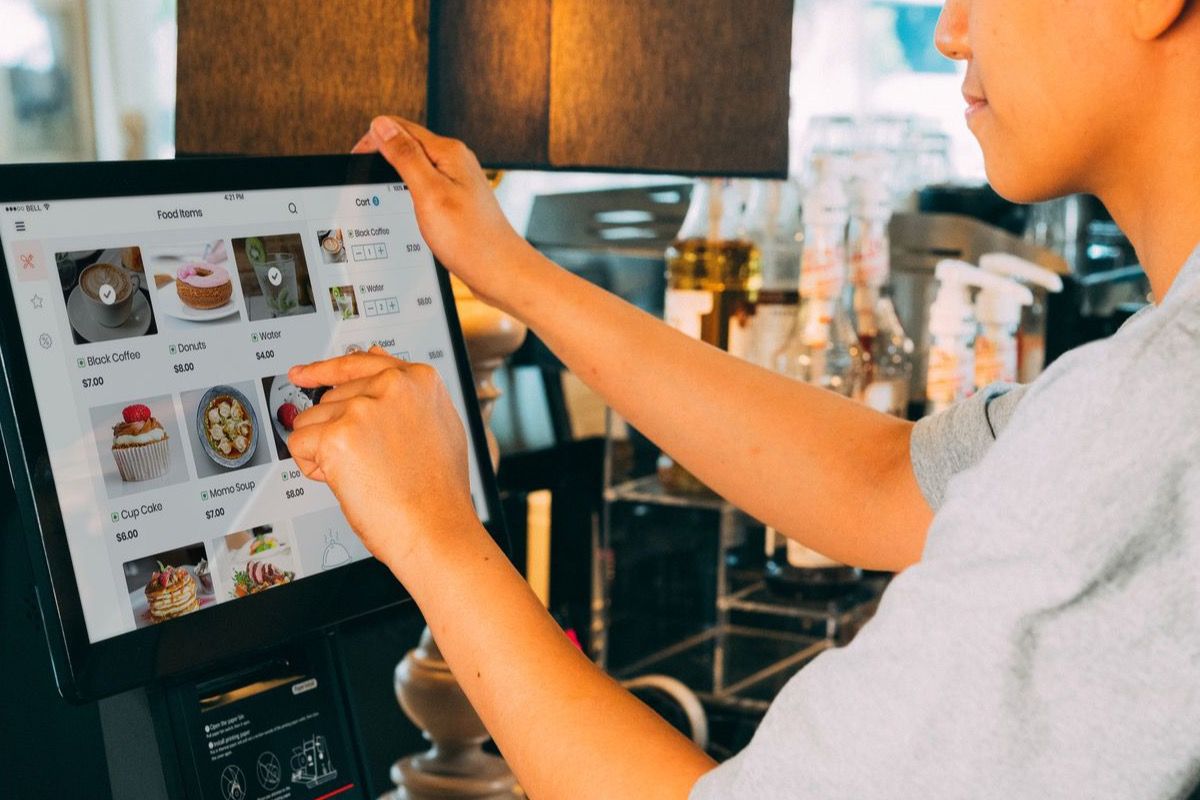
She taps to order. The kitchen gets the order in English, exactly as written. No shouting across the counter. No pointing at menu numbers. No carnitas surprise.
That's what QRfood does. Customers read your menu in their native language — Spanish, Chinese, Vietnamese, Korean, Arabic, and more — and order directly with zero miscommunication. The order flows straight to your kitchen or POS, accurate every time.
The Math of Keeping One Customer
Maria spent about $15 per visit. Three visits a month? That's $540 a year. Five years? $2,700. And she would have told her family, her coworkers, her friends at church.
One customer lost to a language gap is never just one customer. It's the table of six she was going to bring for her mom's birthday. It's the office order she was going to recommend. It's word-of-mouth you paid for with a plate of carnitas she never wanted.
Compare that to the cost of fixing it: a multilingual digital menu that updates in seconds, works in every language, and never gets a word wrong.
Your Food Is Great. Don't Let a Language Gap Ruin It.
You didn't open your restaurant to lose customers to a misunderstanding. Your food is the reason people should come back. The menu should never be the reason they leave.
Start fixing wrong orders today. Give every customer a menu they can read, in the language they think in.
👉 Try QRfood free at qrfood.ai — set up your multilingual menu in minutes.