🌺 The $2,000 Waikiki Tourist Who Can't Read Your Menu
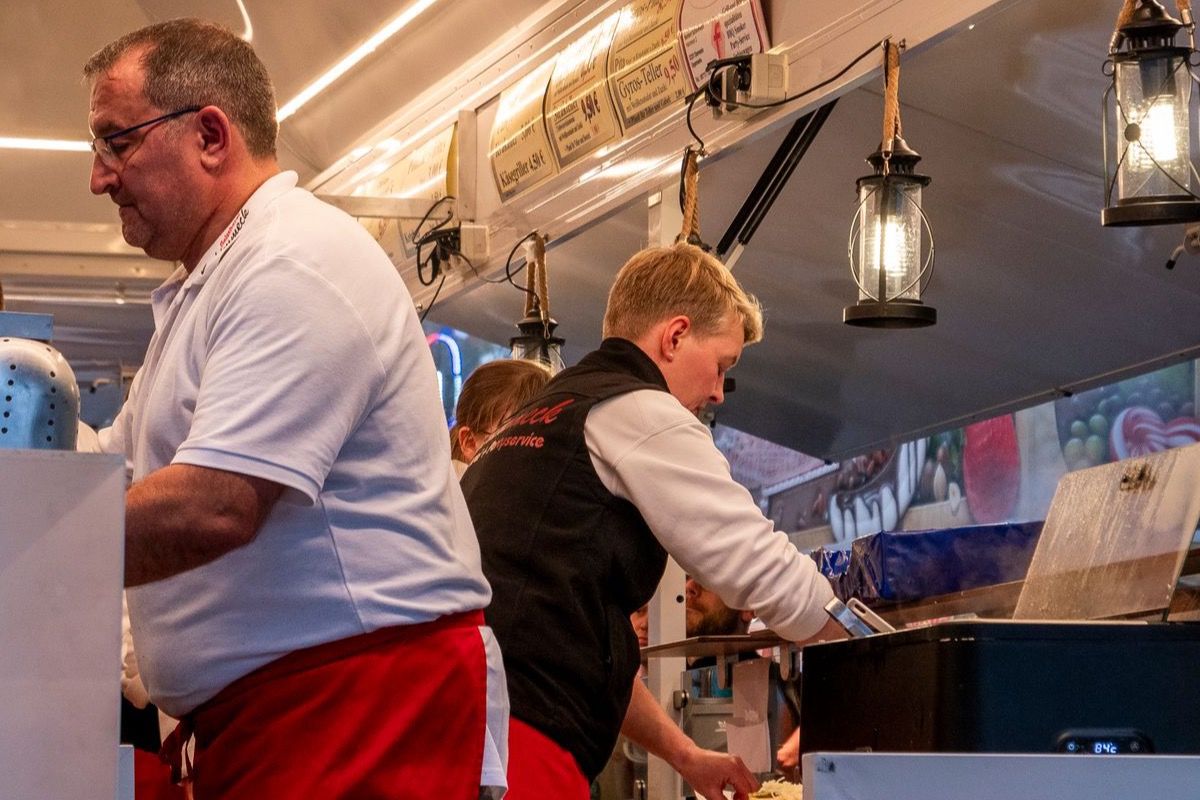
Friday night on Kalakaua Avenue. A young Japanese couple in matching aloha shirts steps into your Waikiki seafood restaurant, bows politely, and waits to be seated. They're on their honeymoon. They have cash, credit cards, and an appetite. And they are about to become your most profitable table of the night — or your most awkward one.
Here's what most Waikiki restaurateurs don't realize: Japanese visitors spend more than $2,000 per trip on food alone. Before the pandemic, Japan sent over 1.5 million visitors to Hawaii every single year. And studies show that restaurants with Japanese-language menus see 20-30% higher average spending from Japanese patrons. Not because they're rich — because they finally know what they're ordering.
The 8-Minute Google Translate Struggle
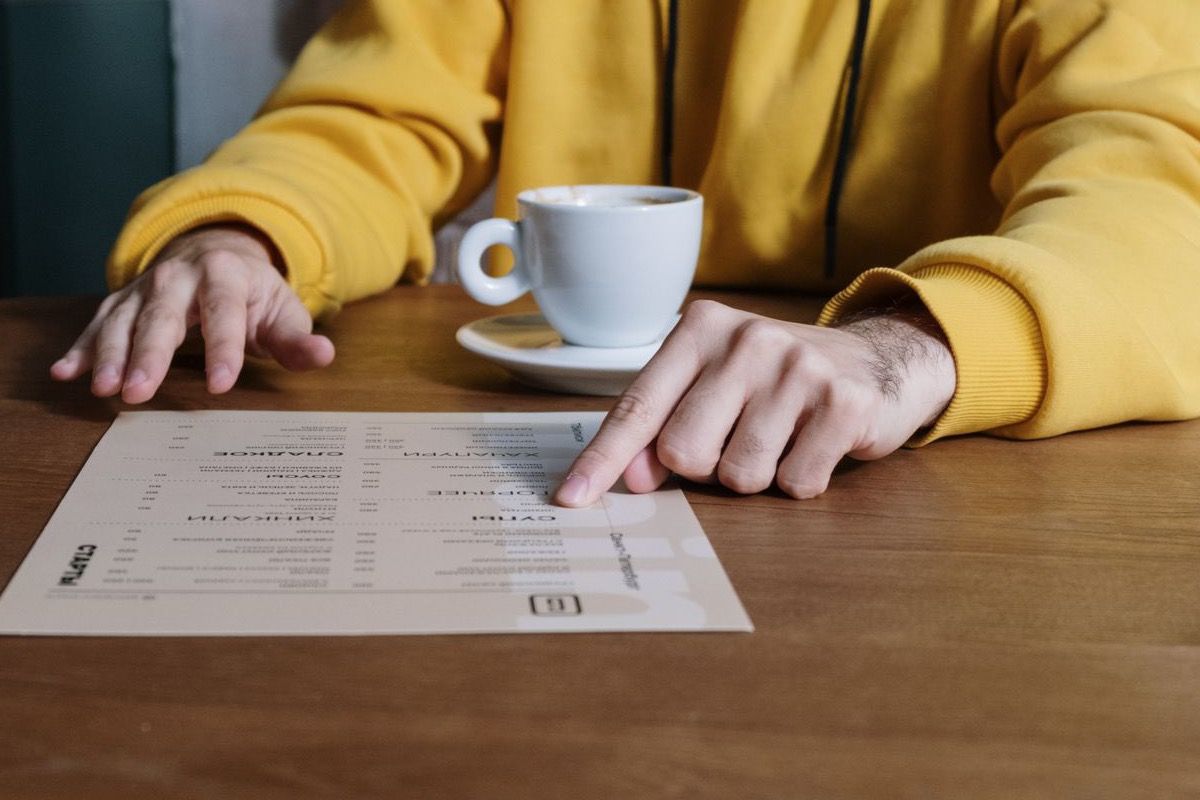
Last month I sat at a popular Waikiki seafood spot and watched a Japanese couple wrestle with Google Translate for eight full minutes. Eight minutes of pointing phone cameras at a laminated menu, squinting at awkward translations, and asking the server "this one... what is?" They ordered two items. They left.
The table next to them — English speakers — ordered four courses and a bottle of wine in under three minutes. Same restaurant. Same food. Same night. The only difference? A menu they could read.
That couple didn't leave because the food was bad. They left because the menu was a wall they couldn't climb. And every night in Waikiki, that scene repeats at dozens of restaurants — thousands of dollars walking out the door in slow motion.
Your Regulars Don't Need Help. Your Tourists Do.
Your regulars already know what to order. They've memorized the menu, they have their favorites, they don't even look at the card anymore. But the Japanese honeymooners, the Korean families, the German backpackers, the Brazilian honeymoon couples? They need help.
A printed multilingual menu for every cuisine you serve is a logistics nightmare. Four languages, eight pages, constant reprints when prices change. Most Waikiki restaurants try one — usually only English and Japanese — and give up on the rest.
A QR code is different. One link, any language, instantly. The customer scans, the menu opens in their native language, and the ordering conversation starts with "what looks good" instead of "what is this."
The Math of the $2,000 Tourist
Let's do the math on what a readable menu is worth. If Japanese patrons spend 20-30% more when they can read the menu, a table that would have spent $80 becomes a $100 table. A table that would have ordered two items and left — like the couple I watched — orders the full experience.
Across a single week in Waikiki, with tour buses unloading hundreds of Japanese, Korean, and European visitors daily, that difference compounds fast. Multiply it across a season and you're not talking about a menu improvement. You're talking about a second location's worth of revenue.
QRfood.ai: One Link, Every Language
QRfood.ai gives every tourist a menu in their native language — Japanese, Korean, Chinese, Spanish, German, Portuguese, and dozens more. Three-minute setup. Zero printing costs. You translate once, and global revenue keeps coming.
No more laminated cards collecting soy sauce stains. No more apologizing to guests who can't read your menu. No more watching $2,000 tourists order two items because they couldn't understand the fourth one.
The tourists are already in your dining room, cash in hand, ready to spend. The only question is whether your menu speaks their language.
Set up your QRfood menu today — in the time it takes to pour a cup of coffee, you can capture global revenue forever. アロハ. 🌺