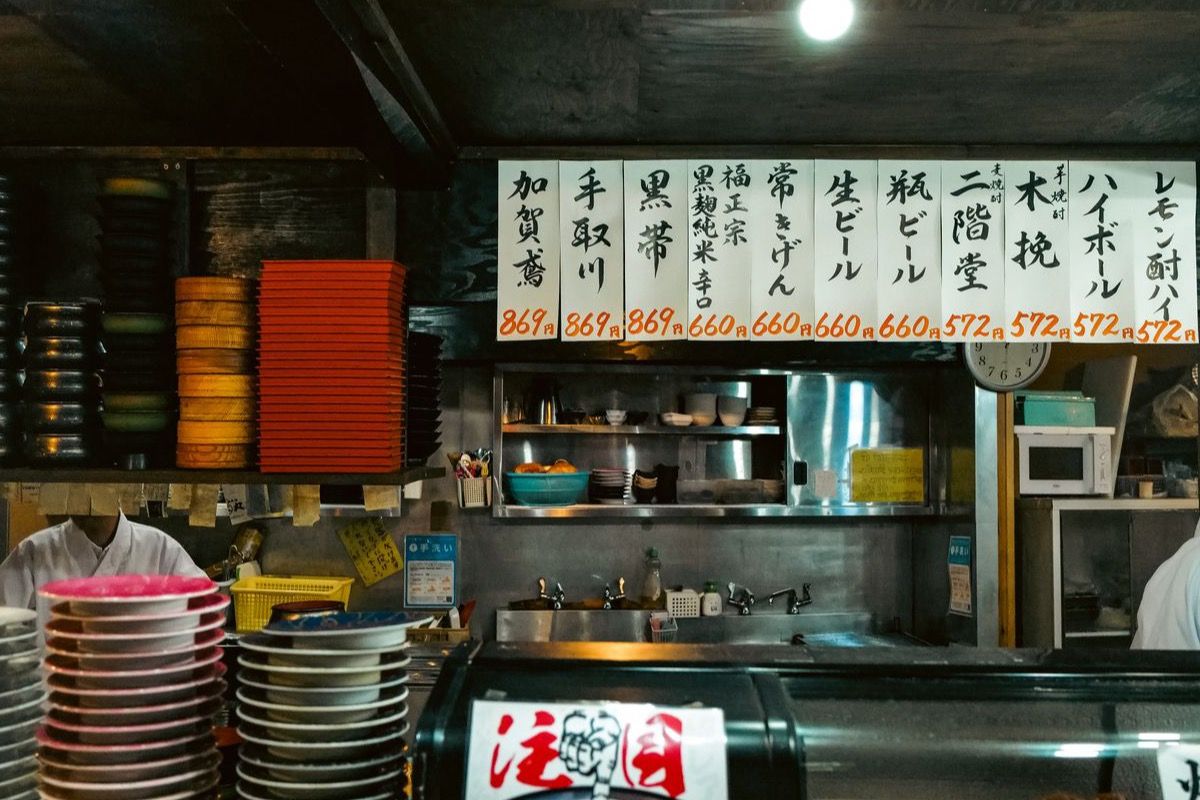
Tokyo’s Obsession With “Visible Trust” — And Why Your Menu Needs It
I was having omakase at a twelve-seat counter in Ginza. The chef set a piece of otoro in front of me and said three words in English: “Fat content: 28%.”
He knew exactly what was in his ingredient. And his menu told me the rest — the origin of the tuna, the species, the fat percentage, the sustainability rating, and whether it had been flash-frozen or served fresh. Nobody asked him to do this. It is simply how the counter works.
In Tokyo, transparency is not a marketing gimmick. It is a craft philosophy. The best Japanese restaurants treat every ingredient as something to be proud of — and they document it, on the menu, in the guest’s own language.
Why Tokyo Treats Transparency as Craft
Walk into a serious sushi counter in Tokyo and you will see things that would look strange in most American restaurants. The menu names the port the fish came from. It lists the catch date. It distinguishes between fresh and flash-frozen, because the two taste different and the guest deserves to know which one they are paying for.
That is not hospitality theater. It is a signal: the kitchen knows its supply chain, and it is willing to be judged on it. When a guest reads that their uni came from Hokkaido and was landed thirty-six hours ago, they stop questioning the eighteen-dollar price tag. They feel informed. They feel respected. And nine times out of ten, they order more.
The Three Questions American Diners Ask (That Most Menus Can’t Answer)
Now walk into a mid-market American restaurant in 2026. Diners are more informed — and more skeptical — than at any point in the last twenty years. Three questions come up again and again:
“Is this grass-fed?”
“Where is the seafood from?”
“Does this contain dairy?”
Most servers cannot answer those questions from memory, especially at 7 PM on a Friday with eight tables waiting. And most paper menus do not say. So the guest does what any reasonable person does when they cannot get an answer: they order defensively — the safest, cheapest item they recognize — or they order somewhere else next time.
What “Visible Trust” Actually Looks Like on a Menu
Visible trust is not a paragraph of brand storytelling. It is a small set of hard facts, attached to the specific item, available the moment the guest is deciding:
• Origin — the region, farm, port, or producer the ingredient came from.
• Species and cut — not just “tuna,” but bigeye vs. bluefin, belly vs. loin.
• Fresh or frozen — and how recently it was caught or landed.
• Dietary flags — vegetarian, vegan, gluten-free, dairy, nuts, shellfish.
• Preparation notes — how it is cooked, seasoned, or aged.
A printed menu cannot carry all of this for every item, in every language, and keep it current. A QR menu can. And that is the entire point.
The Economics of Visible Trust: Why Informed Guests Pay More
This is where the craft philosophy turns into arithmetic. Ingredient transparency does three things to a restaurant’s numbers at once.
First, it justifies price. A guest who knows why the otoro costs what it costs is far less likely to flinch at the check. Premium dishes stop being “expensive” and start being “explained.”
Second, it raises the average ticket. Menu-engineering research consistently shows that items with a written description sell meaningfully more than items listed by name alone — and the lift is larger when the description includes a verifiable fact, like origin or preparation, rather than pure adjectives. “Hokkaido sea urchin, landed 36 hours ago” outsells “fresh uni.”
Third, it reduces friction and waste. When guests can read allergen and preparation detail themselves, they ask fewer questions, order with more confidence, and order a wider variety of dishes — which means a larger share of the menu actually moves and less of the slow inventory spoils.
The American Gap: 500+ Japanese Restaurants Are Already There
Here is the uncomfortable part. More than five hundred Japanese restaurants already publish this level of ingredient detail on their menus. American diners who travel — or who simply follow food accounts — are starting to expect it everywhere.
The independent operator who cannot answer “where is this from?” is no longer competing against the restaurant across the street. They are competing against an expectation set in Ginza, and imported in a passport.
How to Build a Visible-Trust Menu with QRfood
You do not need a twelve-seat counter or a Tokyo fish market relationship to do this. You need a menu system that can hold the detail.
Step 1 — Attach the facts you already have. You know where your seafood comes from and how you prep your signature dish. Put that on the item, not in a speech your staff has to memorize.
Step 2 — Add dietary flags to every dish. This is the fastest trust win on the menu, and it removes the single most common source of table-side questions.
Step 3 — Publish in the guest’s language. A multilingual QR menu serves the same detail in English, Spanish, Chinese, or Japanese automatically. No second print run, no translated PDF that goes stale in a week.
Step 4 — Keep it current. When the catch changes or the supplier changes, you update the item in the dashboard and every table sees the truth. Trust is built by accuracy, not by claiming to have it.
Common Objections
“Won’t this overwhelm guests?” No. Guests do not read everything — they read what they need. The detail is there for the diner who cares, and invisible to the one who does not.
“What if my sourcing changes?” That is exactly why this belongs on a QR menu and not in print. A paper menu freezes a lie. A digital menu can tell the truth every day.
“Is it worth the effort?” If a guest stops asking whether your seafood is fresh, and starts asking what to pair with it, you have already won the table.
Trust Is a Menu Feature
Tokyo did not invent transparency to market itself. It built transparency because a kitchen that can document its ingredients is a kitchen that respects the people eating there — and guests reward that respect with larger checks and repeat visits.
Your menu is the widest-reaching piece of communication your restaurant has. Make it answer the questions your guests are already asking. Make trust visible.
Start free at qrfood.ai — and let every scan tell the truth about your food.