🍜 The 3 AM Udon Test: What Tokyo's Peak-Hour Kitchens Teach American Restaurants
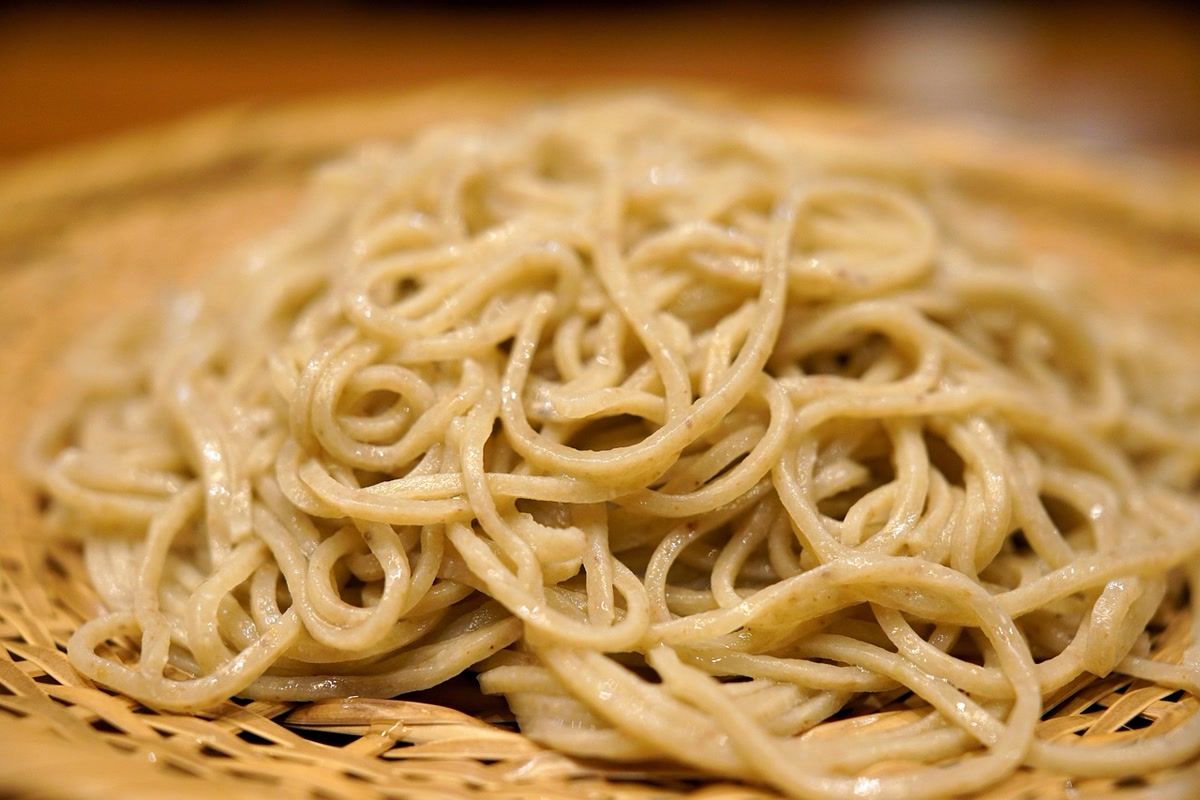
It's 2:45 AM in Shinjuku, and the line for udon snakes around the block — tired salarymen, a post-club crowd still in glitter, a few tourists like me who couldn't sleep. The shop holds maybe 18 seats. The kitchen is run by two people. And somehow, every bowl lands in front of a guest in under four minutes.
An 18-Seat Shop Running at Full Speed at 2 AM
I've spent the last decade watching American restaurants fight the same battle: a full house, a short-handed crew, and a kitchen that can only move as fast as tickets arrive. So when I finally took a seat at that counter in Shinjuku, I didn't want the udon recipe. I wanted the operating system.
What I found was almost anticlimactic in its simplicity. No celebrity chef. No army of servers. No $40,000 kitchen display stack. Just a small room, two cooks, and a QR code taped to the wall.
The QR Code on the Wall: Order Before You Sit
The owner explained it in one sentence I won't forget: "Customers order before they sit. We start cooking before they're at the table."
Here's how it works. You scan the code while you're still standing in line. The menu opens in your phone browser — photos, descriptions, prices, allergens. You order and pay on the spot. The kitchen screen lights up. By the time a seat frees up and you sit down, your bowl is already being assembled.
In a room with 18 seats and a permanent line, that is the whole trick. The bottleneck was never the noodles. It was the ordering in front of them.
Why American Kitchens Stall at Peak Hour
Most American restaurants run a reactive sequence. A guest is seated. A server walks over. The server takes the order. The order goes to the kitchen. The kitchen starts cooking. Every single step waits for the one before it.
At 7 PM on a quiet Tuesday, that chain is perfectly fine. At 2 AM, or at Saturday brunch, or on game day, it collapses. The server is the bottleneck. The kitchen is the bottleneck. And the guest — who would happily have ordered ten minutes ago — is just waiting.
The Tokyo shop had quietly deleted two of those steps. No waiting to be seated to see a menu. No waiting for a server to take an order. The guest does the work the server used to do, and the kitchen gets a head start on every single table.
The 3–4 Minute Head Start on Every Bowl
That is the real math. When a guest orders and pays before sitting, the kitchen is not idle during the seating-and-greeting ritual. It is cooking. In a fast-casual or noodle setting, that is three to four minutes of added throughput per cover — on every cover, all night long.
"500+ Japanese venues use this exact flow to turn tables faster without adding headcount," the team at QRfood told me when I described the shop. "The same system works for your Saturday brunch rush, your food truck line, or your Friday dinner service." I have since run this flow through qrfood in my own operation, so I don't recommend it lightly — I recommend it because I watched the dead time disappear.
What the 3 AM Test Reveals About Your Own Restaurant
You do not need to open at 3 AM to run this test. Here is the version I recommend for any American operator:
1. Pick your worst 90 minutes. Not an average night — the night the wheels come off. The Saturday brunch window, the playoff game, the 7 PM Friday rush.
2. Count the dead time. Walk the floor with a stopwatch and measure the gap between "guest sits down" and "kitchen receives the order." Most operators guess 60 seconds. It is usually three to five minutes.
3. Multiply it out. Five minutes of dead time per table, 40 tables a night, is more than three hours of lost kitchen capacity — the equivalent of one employee you never hired.
4. Delete the step. Let guests scan, order, and pay the moment they walk in. The kitchen starts earlier. The server stops typing and starts running food.
The Numbers: What Peak-Hour QR Ordering Actually Changes
Based on data from 500+ venues running the Tokyo-style flow with QRfood:
📊 22% higher average order value — guests browse, up-sell themselves, and add a side
⏱️ Up to 40% faster order processing — nobody waits for a server to come back
🔄 More table turns per hour at peak — the same 18 seats do more work
😊 Fewer "where is my server?" moments, more guest control
👥 Same headcount, more covers — the point is throughput, not hiring
"But Will American Guests Really Order Before They Sit?"
That was my first question too. By 2026, QR scanning is as routine as opening a camera app. Guests scan menus, boarding passes, parking meters, and concert tickets without a second thought.
"What about older guests?" Keep two or three printed menus behind the counter as a fallback. You will find most regulars over 60 scan happily — they like not having to flag someone down.
"Does it feel impersonal?" It is the opposite, if you do it right. Removing order-taking from the dining room gives your staff time back for the human part: greeting, recommending, running food, remembering faces.
What the Udon Shop Actually Taught Me
The owner of that 18-seat shop is not running a tech company. He is running a business where every wasted minute is a guest who walks away. His insight had nothing to do with QR codes, really.
It was this: when demand spikes, the bottleneck is almost never the kitchen. It is the ordering system sitting in front of it.
Fix that, and an 18-seat room with two cooks can out-serve a dining room three times its size.
Ready to Run Your Own Peak-Hour Test?
QRfood gives you the exact flow those Tokyo kitchens use: scan, order, and pay before the guest sits. Setup takes an afternoon. The menu, the QR codes, and the kitchen display come with it.
Start your free trial, run it through one busy weekend, and watch the dead time disappear. The 3 AM udon test does not require a plane ticket. It just requires deleting a step.
Scan. Order. Cook. Serve. Grow. Your future self will thank you.