"I Saw It on TikTok But Couldn't Order It": How a Flatbush Jerk Center Closed Its Menu Gap and Grew Revenue 31%
Flatbush Avenue is the spine of Caribbean Brooklyn. Walk six blocks in either direction and you will pass roti shops, jerk pits, bakeries selling hard dough bread, and grocery stores with barrels of ackee stacked by the door. Oxtail, curry goat, brown stew chicken, cow foot — this is not novelty food here. It is dinner.
But stand at the counter of any of these restaurants on a Saturday and you will see the same small drama play out. A group of visitors walks in, phones out, eyes scanning a wall-mounted menu they cannot parse. They order jerk chicken because it is the only phrase they recognize. They leave without ever knowing what they almost ate.
Last spring, Dennis — who runs a jerk center on Church Avenue, a few doors off Flatbush — watched that drama turn into a viral problem, and then into a business decision that changed his numbers more than any ad spend he had ever tried.
The Menu Gap Nobody Talks About
Most conversations about restaurant menus focus on design: fonts, photography, white space. But there is a quieter problem that affects thousands of immigrant-run kitchens across the country. The menu is written in the vocabulary of the community that built the restaurant — which is exactly right for regulars, and exactly wrong for everyone else.
"Run down." "Mannish water." "Festival." "Callaloo." These are not exotic. They are ordinary. And to a customer from Ohio who found the place on TikTok, they are a locked door.
The industry usually frames this as a language barrier. It is not. Most of these visitors speak perfectly good English. What they lack is a translation of culture — a sentence that tells them what the dish actually is, how it is cooked, and what it will taste like.
What Dennis Actually Saw in the Comments
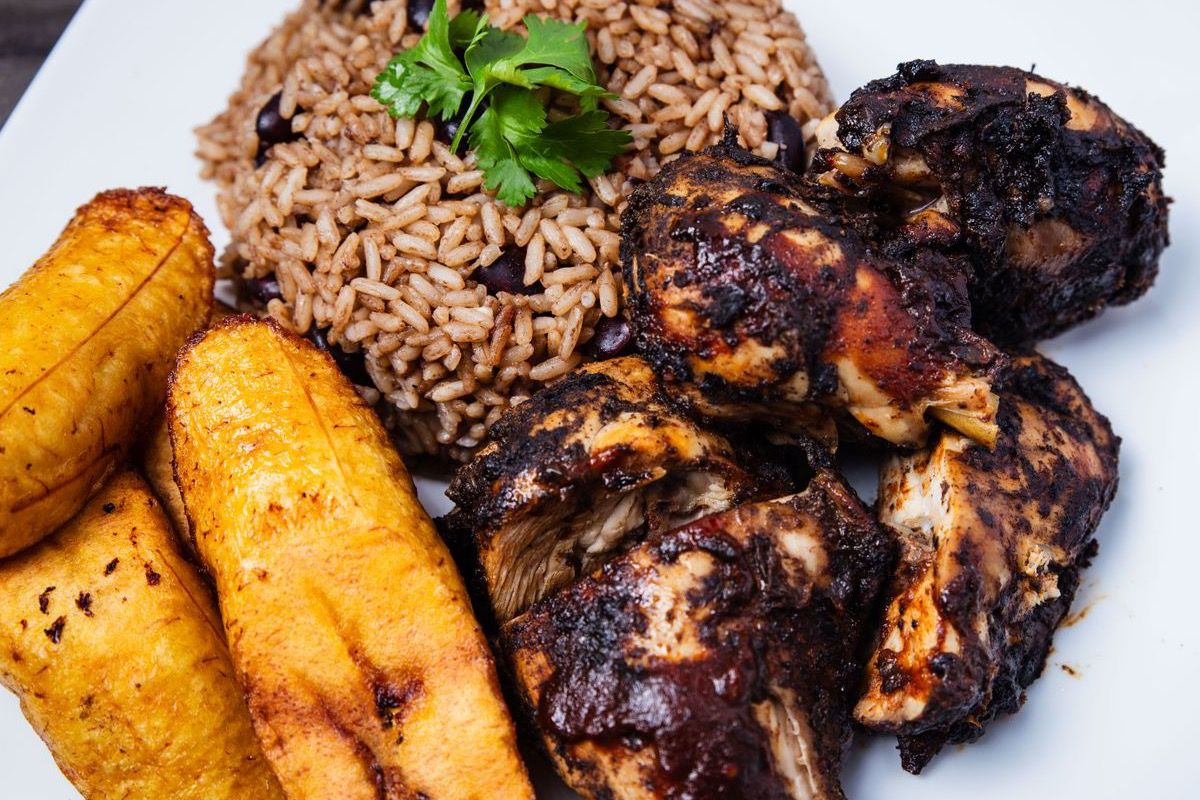
The first hint came from a food influencer who posted a slow pan over Dennis's oxtail: glossy, dark, falling off the bone, butter beans glistening in the gravy. The video did well. Very well.
Then Dennis read the comments. "Where is this??" "What is oxtail though?" "Is it beef?" "I want to go but I don't know what to order."
His restaurant was going viral to an audience that could not decode his menu. Views were climbing. Covers were not. That gap — between attention and comprehension — is where most social media ROI for independent restaurants quietly dies.
The Fix: A Menu That Speaks Two Languages at Once
Dennis did not translate his menu into plain English and call it a day. That would have stripped the identity out of the place, and his regulars would have noticed immediately.
Instead he added a QR-based digital menu that keeps the Jamaican names front and center, with a plain-English line underneath each one. The dish stays itself. The description does the introducing.
"Oxtail — slow-braised in butter beans and aromatic herbs, fall-off-the-bone tender." "Curry goat — bone-in goat simmered in curry and thyme until the meat gives way." "Ackee and saltfish — Jamaica's national dish, savory, soft, served with fried dumplings."
Photos sat next to every item. Prices were visible without asking. And because the menu lives behind a QR code, updating it takes minutes instead of a print run.
The guest experience changed in a subtle but decisive way: nobody had to admit they did not know something. They could read, compare, and decide at their own pace — then order with confidence.
Three Months Later: The Numbers
Dennis tracked three metrics, and all three moved in the same direction.
📈 Instagram check-ins at the restaurant rose 140%. People photograph food they feel smart for ordering.
👥 Non-Caribbean customers went from 22% to 48% of total diners. The regulars never left; the door simply opened wider.
💵 Revenue grew 31% with zero menu price changes. Same kitchen, same recipes, same staff count.
The last number is the one worth sitting with. He did not raise prices, add a second location, or hire a marketing agency. He removed a comprehension tax that was sitting between his food and half his potential customers.
Why Explaining Beats Translating
There is a real risk in over-simplifying an immigrant menu. Strip the names and you strip the story, and the story is the reason people come. The trick is layering, not replacing.
Keep the patois name. Add a description written by someone who has actually eaten the dish. Let the two sit side by side. Regulars read the name and feel at home. First-timers read the description and feel invited.
This is also why generic menu translation software fails so badly on regional food. "Mannish water" rendered literally is nonsense. "Goat soup with yam, green banana, and pumpkin, served at gatherings" is a sale.
What This Looks Like for Other Operators
If your menu carries food from a specific culture — Vietnamese, Ethiopian, Salvadoran, Korean, Jamaican — the playbook is the same, and it does not require a big budget.
• Write the description the way you would explain the dish to a curious friend, not the way a dictionary would.
• Shoot one honest photo per signature item. Natural light, real plate, no stock imagery.
• Keep the original name as the headline and the explanation as the subtitle.
• Add a one-line "how to eat it" note for dishes that come with bones, wrappers, or a specific ritual.
• Put the menu behind a QR code so seasonal specials and sold-out items update in seconds.
The Lesson Behind the Viral Moment
Social media can deliver a restaurant an audience in a single afternoon. It cannot deliver comprehension. That part is still the operator's job, and it is the cheapest work available: a few well-written lines and a QR code.
Dennis put it plainly when we spoke. "The food was never the problem. People just didn't know what they were looking at. Now they do, and they bring their friends."
Thirty-one percent revenue growth did not come from going viral. It came from being understood by the people who showed up because of it.
Start With One Menu
A QRfood menu takes an afternoon to build: add your dishes, write the descriptions in your own voice, upload photos, print the code. Every guest gets the same menu in the language they read most comfortably, and every update goes live instantly.
Your regulars already know what they love. The next thousand customers are standing outside with their phones out, waiting for you to tell them.
Free to start at qrfood.ai.