The Math of Table Turnover: How 18 Minutes Per Table Adds a Full Sitting Every Night
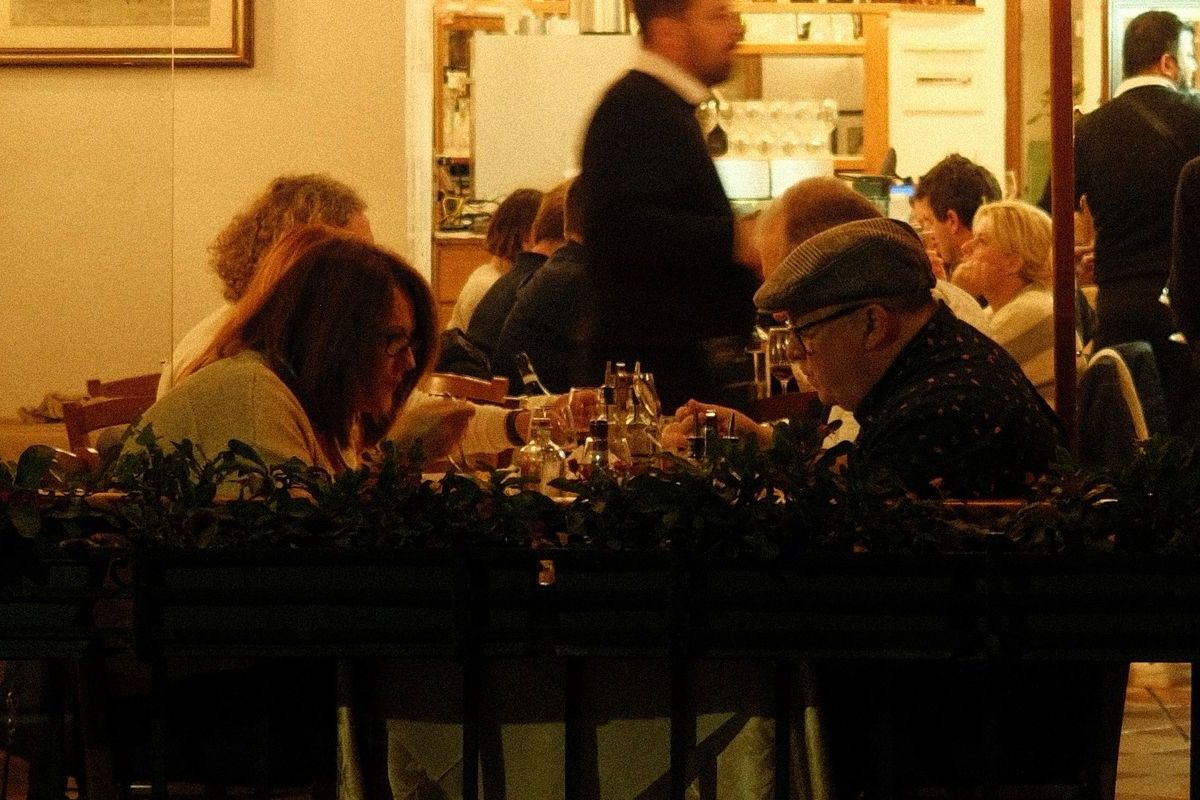
It's 5:30 PM on a Friday in San Francisco's North Beach. The hostess seats the first party of the night. By 10:00 PM, the dining room should turn over four and a half times—if everything goes perfectly. But "perfectly" is the enemy of every restaurant I've ever worked with.
I spent years watching the same silent revenue leak: tables sitting empty while guests waited at the bar, not because the kitchen was slow, but because the last party hadn't paid yet. The check. The card. The wait. The signature. Fifteen minutes of pure dead time, multiplied by every table, every night.
This is the story of how one 40-seat Italian restaurant in North Beach did the math—and found nearly $1,800 a night sitting in those fifteen minutes.
The Turnover Math That Most Owners Never Run
Let's break down a typical dinner service at this restaurant, before any changes:
⏱️ Ordering + eating: 25 minutes. Guests arrive, settle in, wait for a server to take the order.
⏱️ Waiting for the check: 15 minutes. The meal is done. The table sits. The server is running food to three other sections.
⏱️ Payment + cleanup: 15 minutes. Card processed, receipt signed, table reset.
Total cycle time: 55 minutes per table. With dinner service running from 5:30 to 10:00 PM (270 minutes), that's about 4.5 sittings per evening. Sound familiar? It's the industry standard—and it's the ceiling most owners accept without questioning it.
What Changed: QR Ordering at the Table
The restaurant switched to QR code ordering at the table—guests scan, browse, and order from their phones. Here's the before-and-after:
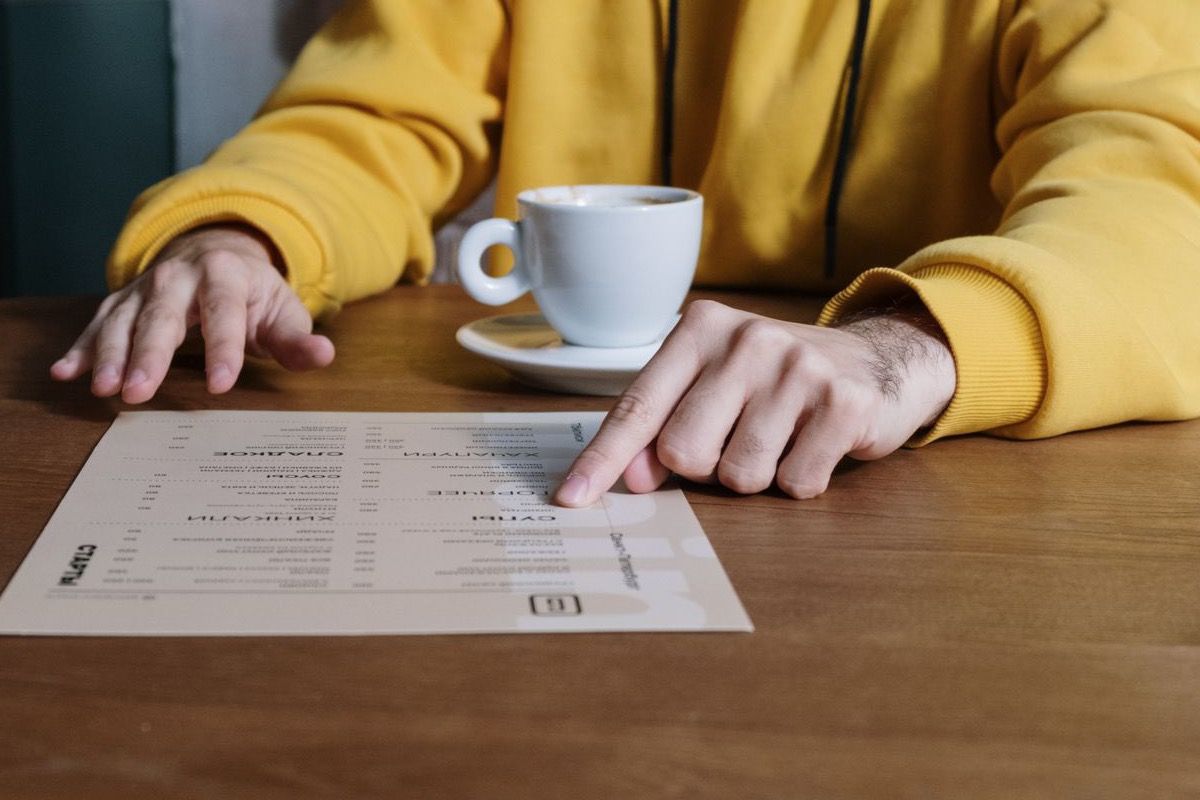
📲 Time from sit-down to food order: 3 minutes (scan → browse → order) instead of 10–12 minutes (wait for a server, flag them down, order verbally).
💳 Time to pay and leave: 2 minutes (scan → pay → go) instead of 10–15 minutes (flag the server, wait for the check, process the card, sign, wait for change).
Total time saved per table: 18–22 minutes.
Do the math on that: a 55-minute table cycle drops to roughly 35 minutes. The same 270-minute dinner window now fits 5.5 sittings instead of 4.5. On a busy night, that's one full extra sitting—40 seats × $45 average check = $1,800 of additional revenue. No new tables. No new staff. No overtime.
This Isn't a One-Off: The Industry Data
If you think this restaurant got lucky, look at the broader numbers. Industry data consistently shows QR ordering reduces table cycle time by 15–25%. For a busy restaurant doing $2M in annual revenue, that range translates into a potential $300,000–$500,000 lift—without adding a single staff member.
Let me put that in perspective: most owners would kill for a 15% revenue increase. They'd remodel the bar, renegotiate leases, hire a marketing agency. The cheapest 15% in the restaurant industry is already sitting at your tables, waiting for the check.
The Ripple Effects You Can't Put on a P&L
The revenue math is the headline, but the operators I talk to notice the quieter wins first:
🧑🍳 The kitchen gets orders the moment guests finish deciding—not when a server gets a free second. The BOH rhythm smooths out, and food runners stop getting stuck behind the expo line.
🤵 Servers stop being order-takers and start being hosts again. They're running food, refilling wine, checking in on tables—doing the work that actually drives tips and return visits.
😤 Guests never experience "the wait for the check." The most common complaint in restaurant reviews—slow service at the end of the meal—simply disappears.
📊 You get data. Peak times, average spend by table, dish popularity. For the first time, you can see your floor in numbers, not gut feel.
How QRFood Fits Into Your Existing Floor
Here's the part I like most: you don't need new hardware, installation, or a six-week rollout to capture this lift. QRFood works on what's already in your guests' hands.
Your guests scan a QR code on the table, order from their phones, and pay when they're ready. Your kitchen gets orders faster. Your servers focus on food running and guest experience. Your tables turn faster—and the math does the rest.
If you're running a 40-seat dining room and turning tables in 55 minutes, you're leaving a full sitting on the table every single night. That's not a hunch. That's arithmetic.
Start at qrfood.ai. Do the math for your own floor—and see what those 18 minutes are worth.
The restaurants that win in this industry aren't the ones that work harder. They're the ones that make their existing hours, seats, and staff worth more. QR ordering is the cheapest way I know to do exactly that.