73% of Tourists in SF Chinatown Walk Past Restaurants They Can't Read
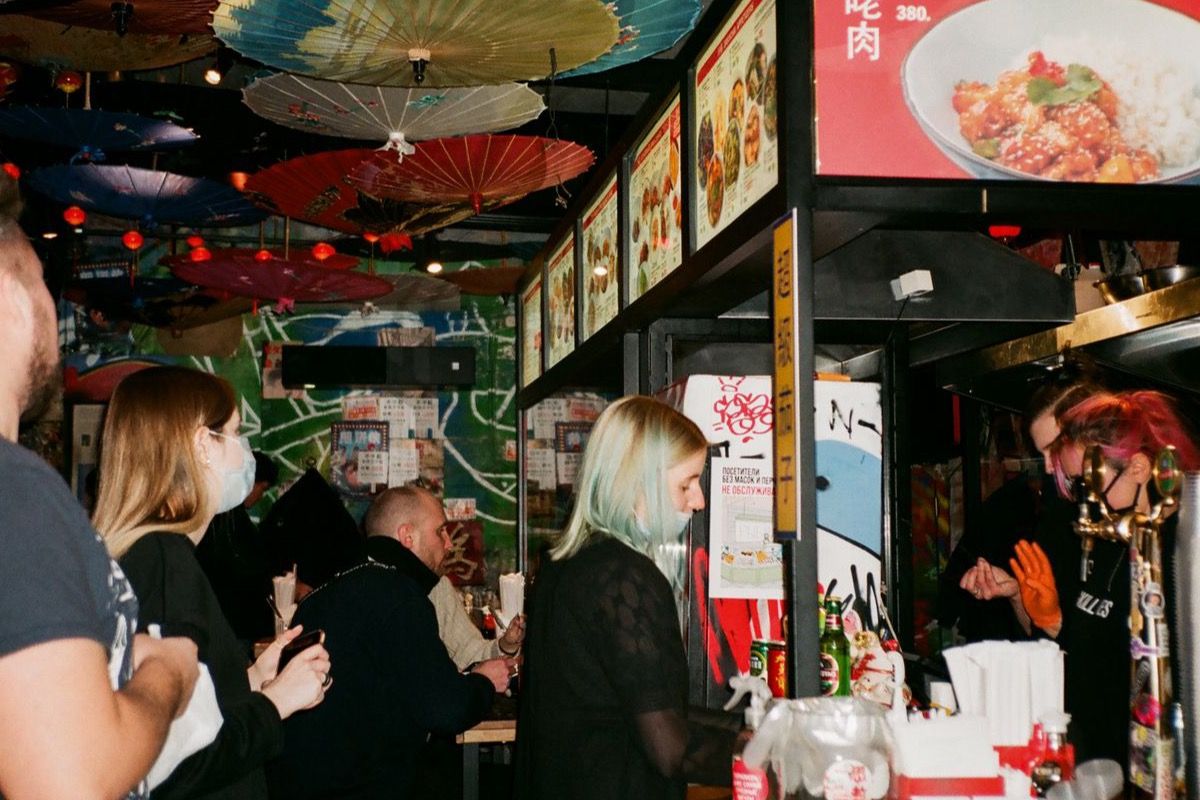
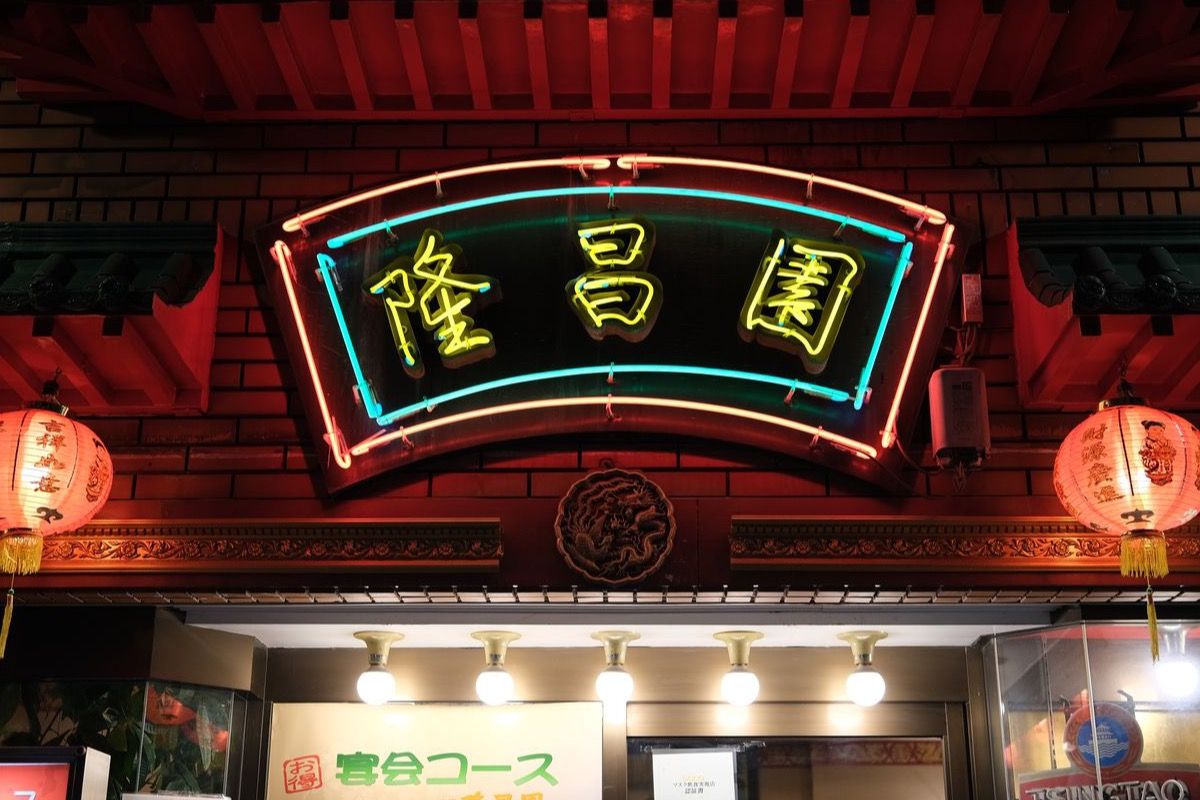
Last spring, I stood on Grant Avenue in San Francisco's Chinatown with a camera crew and counted something that bothered me for weeks. In one hour, 342 tourists walked past Golden Gate Bakery — the famous egg tart spot with the line down the block. 261 walked past Great Eastern Restaurant. Both display mostly Chinese signage. Of the 261 who passed Great Eastern, 14 stopped to read the window menu. Three went in.
Three. Out of 261. That's a 1.1% conversion rate on some of the busiest restaurant foot traffic in America.
The Numbers Behind the Walk-Bys
San Francisco's Chinatown draws 2.4 million visitors a year. According to the SF Travel Association, only 38% of them actually dine in Chinatown. When visitors were asked why, the #1 reason was blunt: "I couldn't tell what the food was."
Let that sink in. The food isn't the problem. The menu is. Tourists are standing outside your door, hungry, wallet out — and walking away because they can't read what you sell.
One Hour on Grant Avenue
Our count wasn't scientific, but it was systematic. Golden Gate Bakery and Great Eastern Restaurant both sit on Grant Avenue, the tourist spine of Chinatown, and both lean on Chinese-language signage. Tourists slowed down. They craned their necks at the windows. Then they moved on.
The 14 who stopped to read the window menu were already a minority. The 3 who walked in were the exception. Meanwhile, one block over on Stockton Street — where the newer Cantonese spots added English descriptions and QR menus — restaurants were averaging 22 walk-in customers per hour in the exact same time window.
The 50% Ceiling
Chinatown is unique because its customer base splits almost exactly 50/50 between Chinese-speaking locals and English-speaking tourists and locals. A menu that serves only one half of that audience is a menu that caps your restaurant at half its possible occupancy — no matter how good your char siu is.
This isn't a Chinatown problem. It's a math problem for any restaurant in a tourist corridor, an international district, or a neighborhood in transition: if a chunk of the foot traffic can't read your menu, that chunk is gone before you ever get a chance to serve them.
The Fix That Fits in a Pocket
A bilingual menu that lives on the customer's phone solves this instantly. Tourists scan a QR code, read the menu in English, and order with confidence. Regulars scan the same code, switch to Chinese, and get the same authentic experience — same dishes, same prices, same restaurant.
QRfood's platform handles this automatically: multi-language menus inside a QR ordering experience, no app download, no clunky tablet hand-offs, no translation errors from a menu printed once and forgotten. Update your menu in one place and every language version updates at the same time.
Don't Let Your Dim Sum Be a Mystery
Every tourist who walks past your door is a table you already paid for in rent. The question is whether they can read what's on it.
Give every customer a menu they can actually read — in their language, on their phone. Start free at qrfood.ai.