Your Line Is Moving Without Them: What a 20-Minute Wait Really Costs
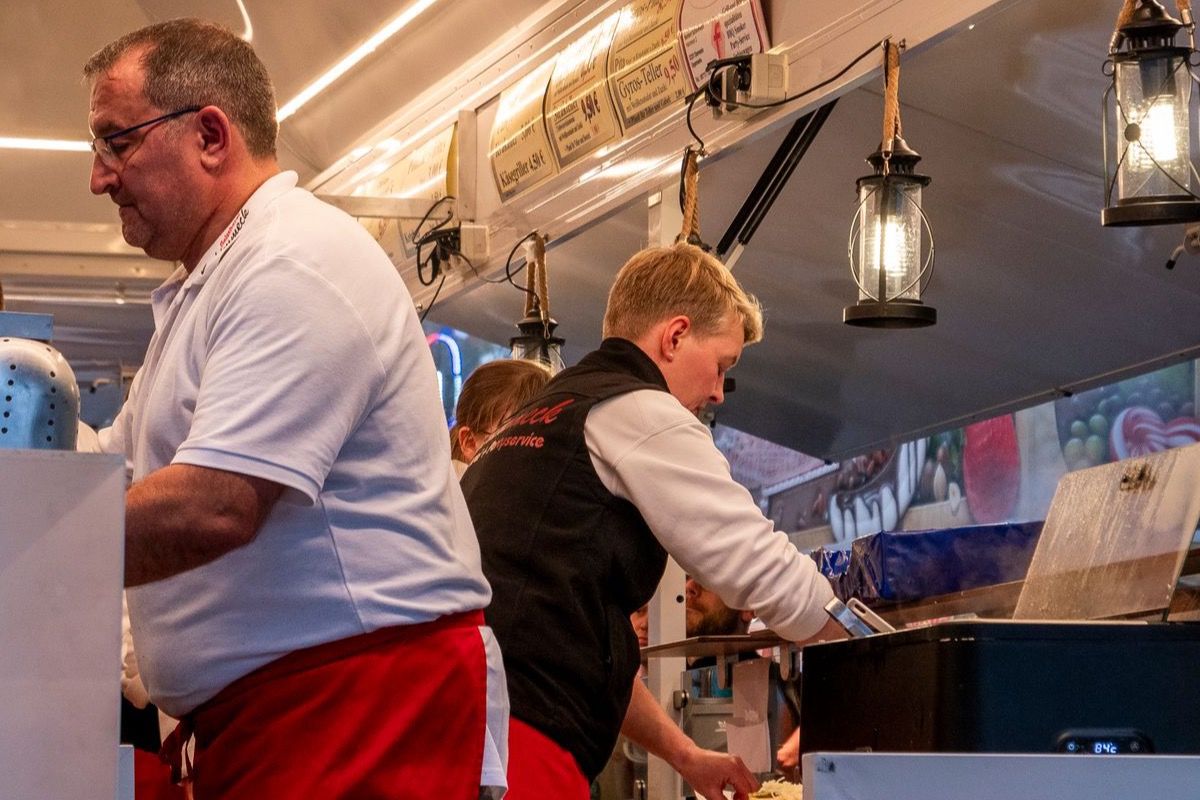
It is 7:30 PM on a Saturday in Austin. The hostess has just quoted a 20-minute wait. Three young professionals walk in, scan the crowd, glance at their phones — and walk right back out. You never see them again. No review. No complaint. No chance to win them back. They simply disappeared into the restaurant three blocks away.
Here is what actually happened: they Googled "restaurants near me with no wait," and your competitor — the one with QR code ordering — won that search. You did not lose on food. You lost on time.
The 15-Minute Rule: Why Gen Z and Millennials Do Not Wait
A 2023 consumer survey found that 63% of diners under 35 will leave if the wait for a table exceeds 15 minutes. Not 30. Fifteen. That is the patience budget of an entire generation raised on one-tap delivery and instant everything.
And here is the part most owners miss: the wait does not end when they sit down. If it takes another 10 minutes for a server to reach the table and take a drink order, that is game over. The phone comes out. The review app opens. The evening is already decided before the appetizer arrives.
The Waiting Game Kills You Twice
First, at the door. A full lobby looks like success — but every minute a guest stands waiting is a minute they are quietly deciding to leave. Second, at the table. A seated guest with no menu, no server, and no water is not a customer yet; they are a hostage. And hostages do not tip, do not return, and do not recommend.
I have watched this scene play out in a hundred restaurants across the country. The line looks healthy. The covers look strong. And the owner has no idea that 15-20% of the people who walked through the door walked right back out. The line is moving — without them.
What Smart Restaurants Do Differently
The operators who fixed this did not hire more hosts or run faster. They moved the menu into the customer's hand before the customer ever sat down. A QR code on the window. Another on the hostess stand. Guests browse, decide, and order in the time it takes them to reach their table.
Think about what that does to the math: tables turn faster because orders are already in before the server arrives. The kitchen starts cooking while the guest is still walking. And the guest — the one who was about to leave — is now invested in the meal they already ordered.
The QRfood Difference: Order Before the Water Arrives
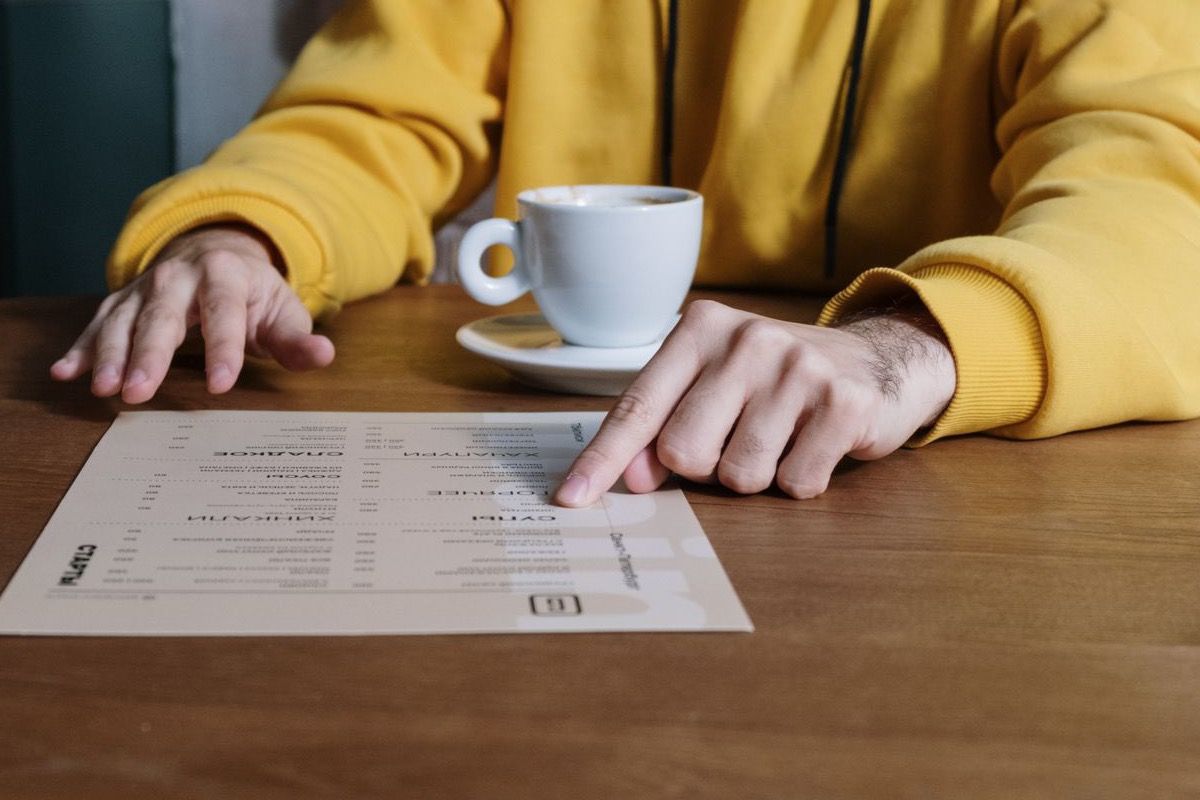
QRfood makes this instant. A guest scans the code at the door, sees your full menu with photos and descriptions in their own language, places their order, and your kitchen receives it — all before the server even arrives with water. No translation guesswork. No "what is this dish" hesitation. No ten-minute drink-order limbo.
For the 63% who would have walked: the wait is no longer a wall. It is a window — a window into your menu, your photos, your best sellers. By the time their table is ready, they are ready to order. Speed stops being a reason to leave and becomes a reason to stay.
Turn Wait Time into Order Time
You are not just selling food. You are selling speed. Every minute you shave off the door-to-order cycle is a saved guest, a faster table turn, and a review that says "we got in fast."
The restaurants winning 2026 are not the ones with the longest lines. They are the ones whose lines move. Put the menu in their hand before they sit down — and watch the people who used to walk out, walk in. Turn wait time into order time. → qrfood.ai