QR Codes Are Back — and This Time, They're Here to Stay
In 2012, I stood in a busy Austin coffee shop and watched a customer try to scan a QR code with a third-party app. It took him 45 seconds and three attempts. He gave up, paid cash, and muttered something about a "stupid square." That moment, I wrote QR codes off — and so did most of the industry.
Thirteen years later, the same technology is quietly powering some of the most successful restaurants in America. The code hasn't changed. Everything around it has.
Phase 1: The Rise (2010–2013) — Great Tech, Terrible Timing
Remember the QR code gold rush? Starbucks, Walmart, and Best Buy slapped QR codes on everything from cups to shelf tags. It was supposed to be the next big thing in retail and dining.
There was just one problem: the hardware wasn't ready. Smartphone cameras couldn't auto-detect codes. There was no native scanner in iOS. Customers had to download a separate app, open it, aim it, and hope. That's not convenience — that's friction. No wonder adoption flopped.
By 2018, industry surveys showed that fewer than 20% of Americans had ever scanned a QR code. The experiment looked finished.
Phase 2: The Fall (2014–2019) — A Punchline
QR codes became a joke. Tech blogs ran headlines declaring them dead. Restaurants that had invested in early QR experiments quietly pulled the table tents and went back to paper menus.
The lesson most people took from that era was "QR codes don't work." The real lesson was subtler: premature adoption kills good technology. The QR code wasn't bad — it was eight years early.
Phase 3: The Real Rise (2020–Today) — Infrastructure Finally Caught Up
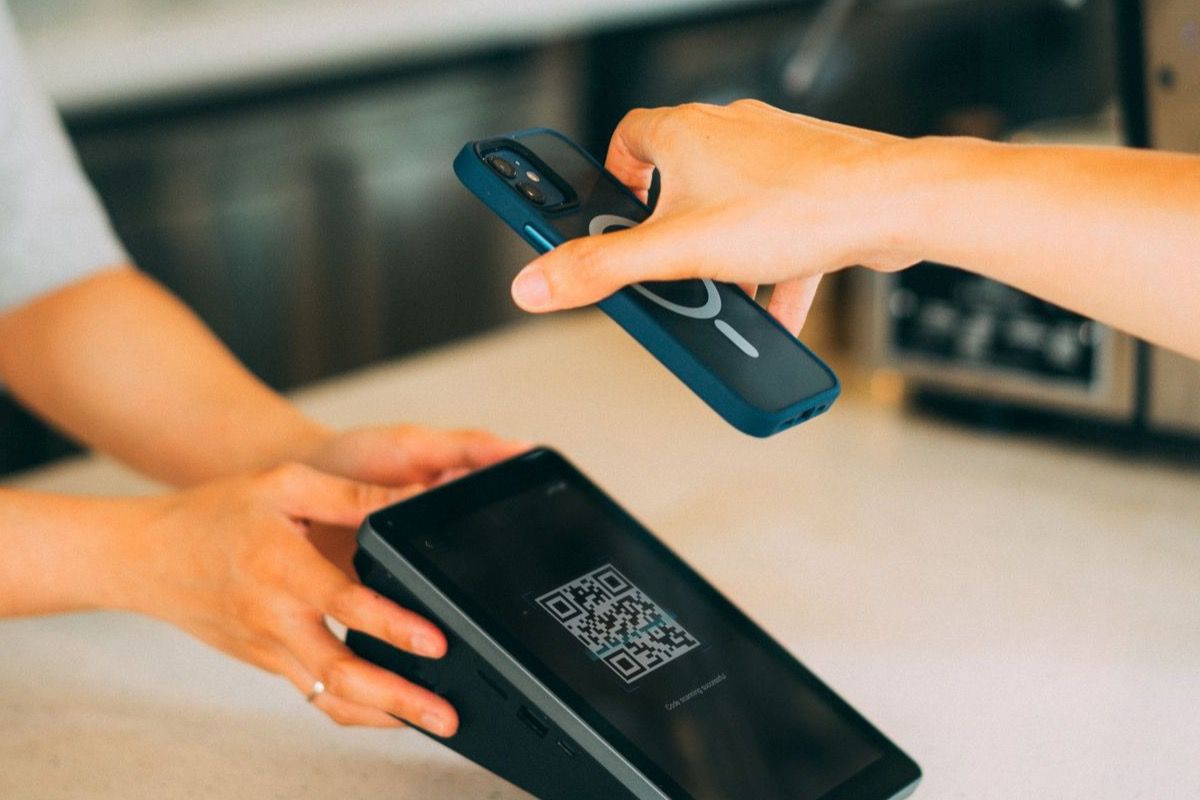
Three things happened that changed everything. First, Apple added native QR scanning to the iPhone camera with iOS 11. Second, smartphone cameras got fast enough to detect codes instantly — no app, no instructions, just point and scan. Third, payment systems from WeChat to Venmo to PayPal normalized the scanning habit for a generation.
Then COVID arrived, and contactless became survival. Restaurants that had never touched digital menus adopted QR ordering in weeks. Customers who had never scanned learned overnight.
The behavior stuck. By 2024, Statista reported that more than 90 million US smartphone users scanned a QR code at least once a month. In 2026, scanning is as ordinary as tapping a credit card — customers don't think about it, they just do it.
Why This Time Is Different
The 2012 failure wasn't the technology. It was timing. Now the infrastructure exists: native scanning, faster phones, normalized behavior. That combination doesn't reverse.
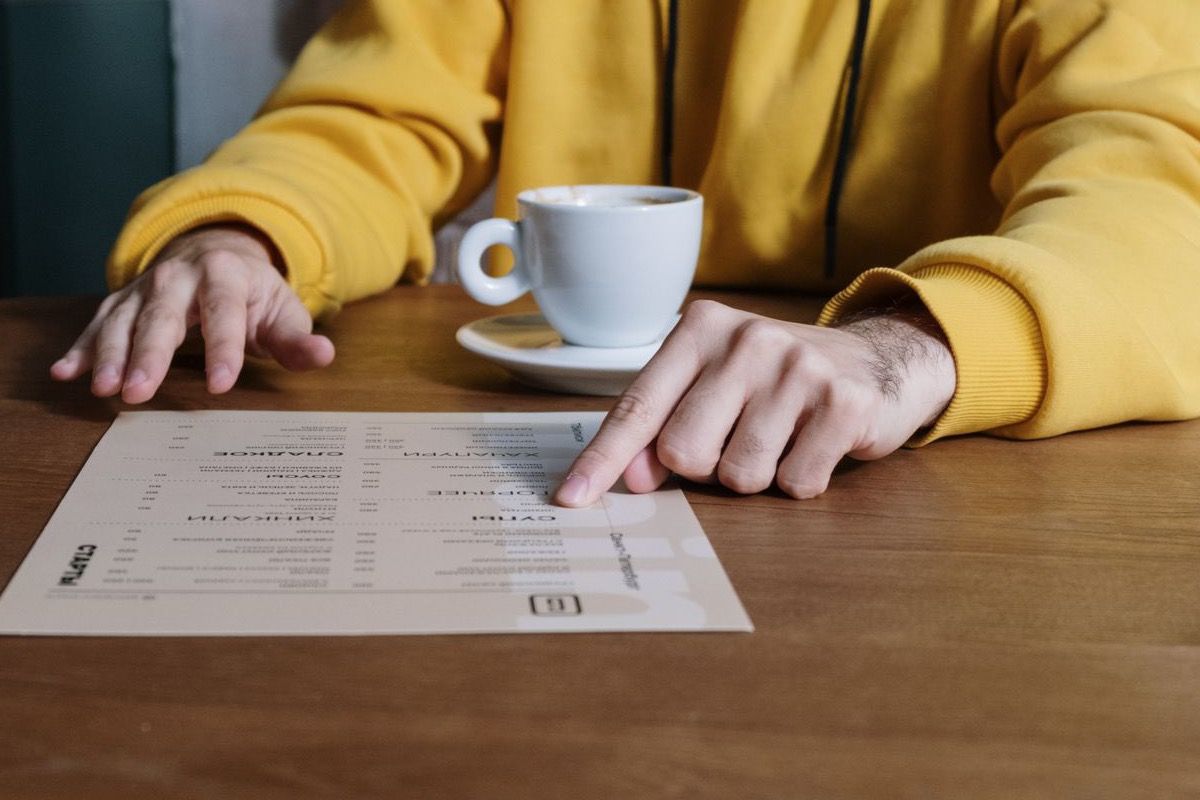
For restaurant owners, this matters more than you might think. Your customers already know how to scan. They expect a QR code at the table the way they expect a napkin. The question is no longer whether QR menus work — it's whether you're giving customers a reason to scan yours.
The 2012 Skeptic Who Changed His Mind
Marcus runs a diner in Denver. In 2013, he paid $400 for laminated QR table tents after a vendor pitched him the "future of dining." Nobody scanned them. He threw them out and spent years telling anyone who'd listen that QR codes were dead.
In 2023, his distributor suggested a QR menu system. He rolled his eyes — but his daughter set it up in one afternoon, and he agreed to try it for a month.
That month: 1,100 scans. Menu updates that used to cost $80 in printing now take seconds. Spanish-speaking customers order confidently from a menu in their own language. His servers stopped acting as human menus.
His words: "In 2013, I had to teach people how to scan. In 2023, my customers taught each other. That's the difference."
Marcus's story isn't unique. The technology that failed in 2012 is thriving in 2026 — because the world finally caught up to it.
What to Look for in a QR Menu System in 2026
Not all QR menus are created equal. The 2026 standard is higher than a PDF that opens in a browser:
⚡ Three-minute setup. No IT team, no contractor, no coding. You should be live before your lunch rush.
🌍 Multilingual menus. A customer should read your menu in their own language — English, Spanish, Chinese, Japanese, Vietnamese. This alone wins tables in diverse neighborhoods.
🔗 Direct POS integration. Orders should flow into your existing system automatically, not sit in a separate app your staff has to babysit.
🔄 Real-time updates. Sold out of the special? Change it on your dashboard and it's live everywhere instantly. No reprinting, no taping over old items.
That's exactly what QRfood was built for. Three minutes to set up, multilingual menus, direct POS integration — designed for the post-2019 world where scanning is second nature.
The Bottom Line
QR codes had a messy childhood. They were overhyped in 2012, buried in 2015, and quietly became indispensable by 2020.
Here's what every restaurant owner should take from that history: your customers already know how to scan. The infrastructure is here. The behavior is permanent.
The only question left is whether you give them a reason to scan — or watch the table next door do it first.
Start free at qrfood.ai. Scan. Order. Serve. Grow.
#QRcodes #RestaurantTech #DigitalMenu #QROrdering #FutureOfDining #QRfood #RestaurantTrends #TechEvolution