That "Medium Rare" That Came Out Well-Done? It Just Cost You $55.
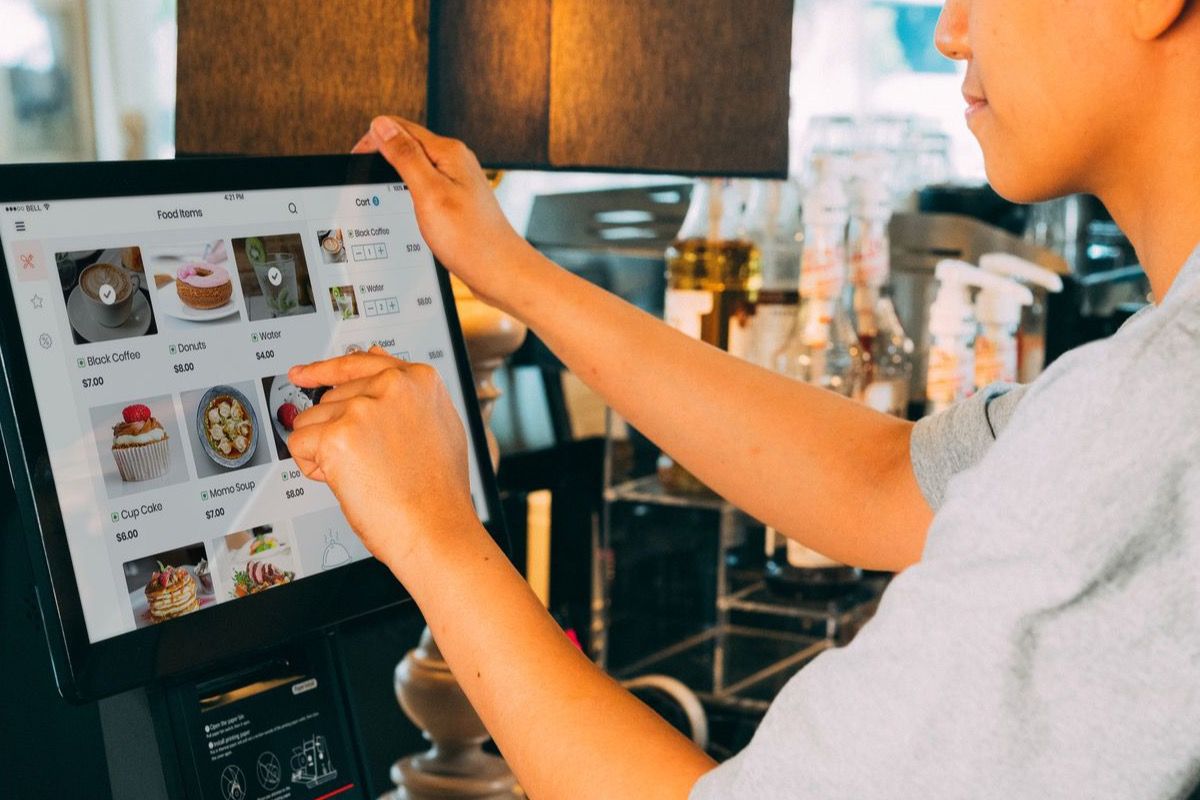
It was a busy Saturday night at a steakhouse in Chicago's River North. Seven forty on the dot, the dining room is full, the expo line is stacked, and a server is punching in table 42's order on a handheld POS. Ribeye, medium rare. Except her thumb slips, and instead of "Ribeye MR," the ticket fires as "Ribeye MW" — medium well.
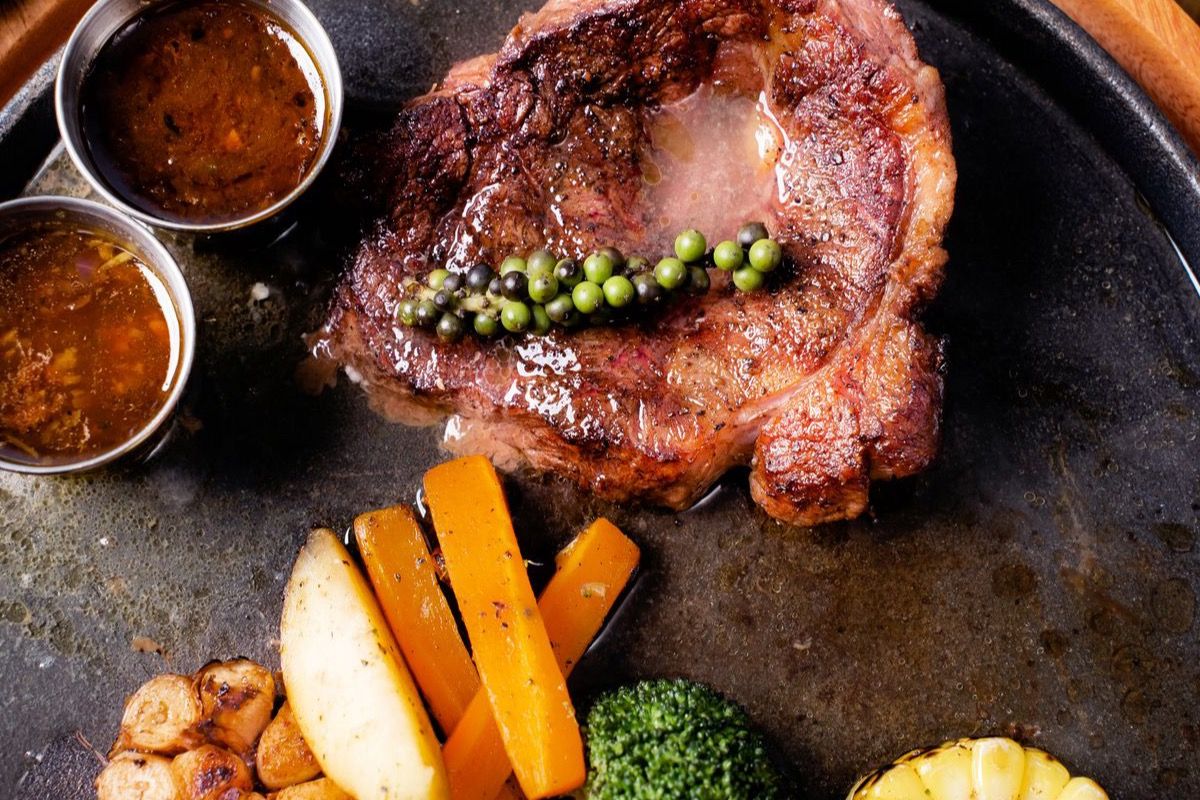
The kitchen, moving at full speed, trusts the ticket. A $42 ribeye hits the grill and comes out medium well. The guest sends it back. The chef fires a replacement from scratch. The original steak? It goes straight into the staff meal bin.
Let's count what that one fat-finger cost: $42 in food cost, 18 minutes of kitchen labor on a ticket that should never have existed, and a $9 dessert comped to smooth things over. Total damage from a single entry error: north of $55. And here's the uncomfortable part — that table wasn't even the exception that night. It was the pattern.
The Industry Data Nobody Puts on a P&L
Manual order entry fails at a predictable rate. Across the industry, the numbers look like this:
• Manual order entry error rate: 5–8% of all orders
• Average cost per error (waste + comps): $15–$25
• Errors per week for a 200-cover restaurant at a 7% error rate: roughly 14
• Weekly cost: $210–$350
• Annual cost: $10,920–$18,200
Read that last line again. A typical independent restaurant is quietly donating between eleven and eighteen thousand dollars a year to typos, misheard modifiers, and rushed button taps. That's not a food cost problem. That's an entry problem.
Why Manual Entry Fails — and It's Not Your Server's Fault
Your servers aren't careless. They're overloaded. On a Saturday at 7:40 p.m., a server is holding four tables, three drink orders, and a question about the gluten-free menu — all while trying to tap through a POS grid of 60+ items with modifier screens three layers deep.
That's when "salmon" becomes "salad." When "no onions" gets lost in a modifier shuffle. When MR and MW are one pixel apart on a screen the size of a phone. The error isn't the server's character flaw. It's the system's design flaw.
What Changes When Guests Type Their Own Order
QR code ordering removes the middleman — literally. The person eating the food becomes the person entering the order. They see exactly what they're ordering, with photos and descriptions, before they hit submit. They confirm their own modifiers. They catch their own typos.
The result is an error rate that drops to 0.5–1%. No misheard specials. No "no onions" lost in the shuffle. No MR-versus-MW thumb slips, because the guest picks their temperature from a clear list on their own screen.
Your kitchen gets a clean ticket. Your POS stays accurate. Your food cost stays where you budgeted it — instead of leaking into the staff meal bin one $42 steak at a time.
The QRfood Math for a 200-Cover Restaurant
Let's be conservative. Say QR ordering doesn't eliminate every error — just 90% of them. That 200-cover restaurant with 14 weekly errors drops to about 1.4. At the industry average of $20 per error, that's a saving of roughly $12,600 a year. For a restaurant running a 5% net margin, you'd need an extra $250,000 in sales to keep that money. Or you could just let guests type their own orders.
Three Minutes to a Cleaner Ticket
Switching to QRfood takes about three minutes: scan, build your menu, and put the QR on the table. No hardware to install. No terminals to buy. No new system for your staff to learn — they just start receiving tickets that are right the first time.
The steakhouse in River North isn't a cautionary tale about bad servers. It's a reminder that every manual keystroke between a hungry guest and a clean ticket is a place where money leaks out. Remove the keystrokes, and the leaks stop.
Try it tonight: qrfood.ai. Your food cost will notice the difference by the end of the month.