You Staff for Friday 7 PM. The Problem Is Monday 2 PM.
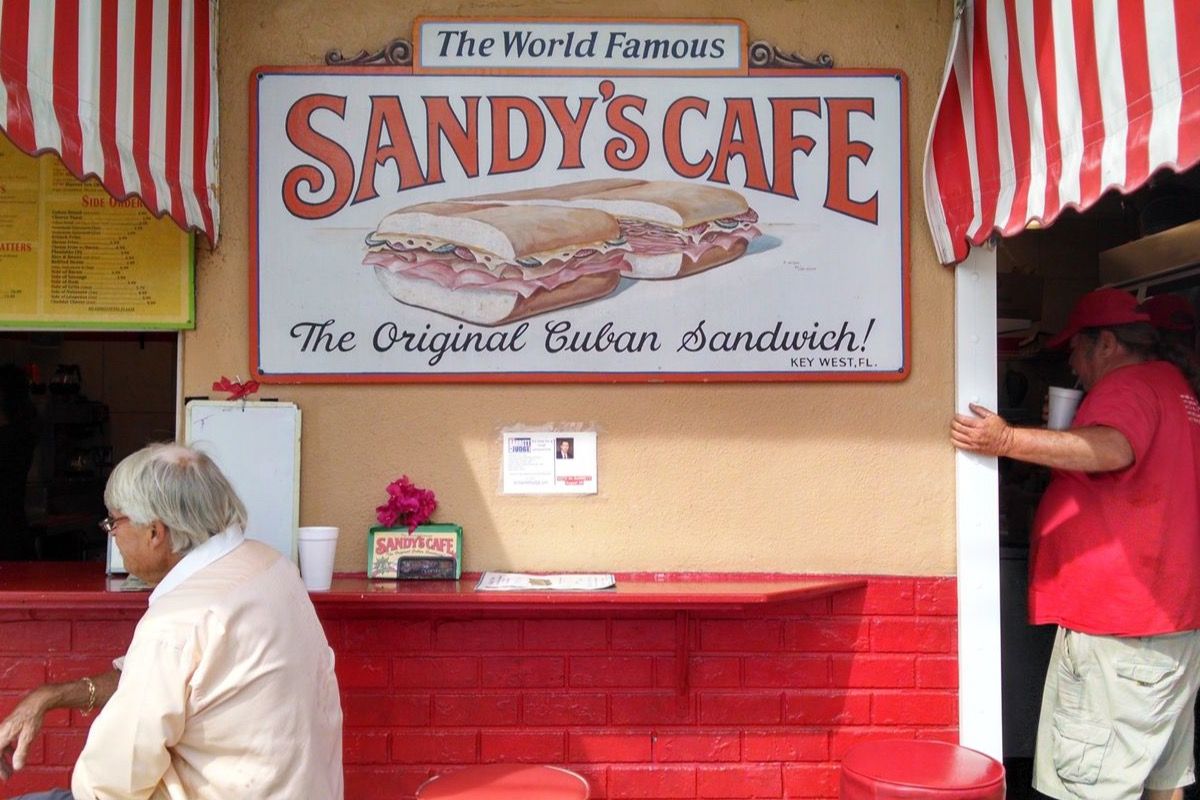
The schedule is taped to the office wall at a sandwich shop in Philadelphia’s Center City. Friday, 11 a.m. to 2 p.m.: four names. Monday, 2 p.m. to 5 p.m.: two names. It has looked roughly like this for three years, and nobody has ever questioned it, because it is the schedule that keeps the shop from falling apart.
That is exactly the problem. The schedule is built to survive the worst hour of the week, and it is paid for during the quietest ones.
The Staffing Curve Nobody Draws
Most independent operators schedule by memory. You remember the Friday you got crushed — the line to the door, the refunds, the customer who left a review about waiting 20 minutes — so you protect Friday forever. Nobody remembers the Tuesday afternoon when two people stood in a 900-square-foot shop with nothing to do, because nothing bad happens when you are overstaffed. It just quietly costs money.
Plot actual covers per hour and the shape is brutal. This shop does about $12,000 a week. On weekday afternoons between 2 and 5 p.m., it sees 8 to 10 customers an hour. On Friday lunch, it sees more than 50 in a single hour.
That is a six-to-one swing in demand. The schedule, meanwhile, moves from two people to three: a 50 percent labor increase to cover a 500 percent demand increase.
What Overstaffing the Quiet Hours Actually Costs
On a weekday afternoon, two people at $15 an hour stand behind a counter serving nine customers an hour. One of them is not needed. That is 15 hours a week of labor the shop cannot bill to anybody.
15 hours × $15 = $225 a week. Over 52 weeks, $11,700 a year.
The number undersells it. Idle shifts have a second cost: a person who spends three hours a day waiting for something to do learns that the job is standing around, and the good ones leave for somewhere busier. You end up paying $15 an hour to train your replacement.
It also distorts the only labor metric most owners watch. Labor runs at 32 percent of sales on those afternoons, which looks like a discipline problem and gets solved with a hiring freeze — while the real issue is that the revenue side of the ratio is too small for the staff on hand.
What Understaffing the Rush Actually Costs
At Friday lunch, three people cannot keep up with 50 customers an hour. The kitchen can. The register cannot.
The line moves at the speed of the slowest step, and here the slowest step is a human being asking “What can I get you?”, repeating the order back, asking about the side, then the drink, then tapping a screen.
When the line reaches the door, customers do math in their heads. Some stay. Three or four an hour decide the wait is not worth it and walk to the salad place next door.
Three to four lost customers an hour × a $12 average check × six peak hours a week = $216 to $288 a week. Annualized: $11,232 to $14,976.
Add the two halves together — $11,700 in wasted off-peak labor and roughly $13,000 in walk-away revenue — and the schedule costs this shop somewhere between $23,000 and $27,000 a year. Not because anyone is lazy. Because the schedule is shaped like the fear of one bad Friday.
The Bottleneck Is the Register, Not the Kitchen
I spent an afternoon in this shop with a stopwatch, which is the least glamorous and most useful thing you can do in a restaurant.
At 2:15 p.m., the kitchen was idle. The register was not: a customer was asking whether the chicken salad had nuts, whether the soup was dairy-free, and whether the combo came with a drink.
Each order consumed roughly 90 seconds of staff attention at the register: greeting, questions, modifications, payment, receipt. At 50 orders an hour, that is 75 minutes of register work per hour — more than one full-time person doing nothing but taking orders.
The kitchen was never the constraint at peak. Order capture was. And order capture is the one part of service that does not require a human standing at a machine.
How QR Ordering Flattens the Curve
A QR code on each table, plus one at the counter, changes the shape of the problem, not just the speed of it.
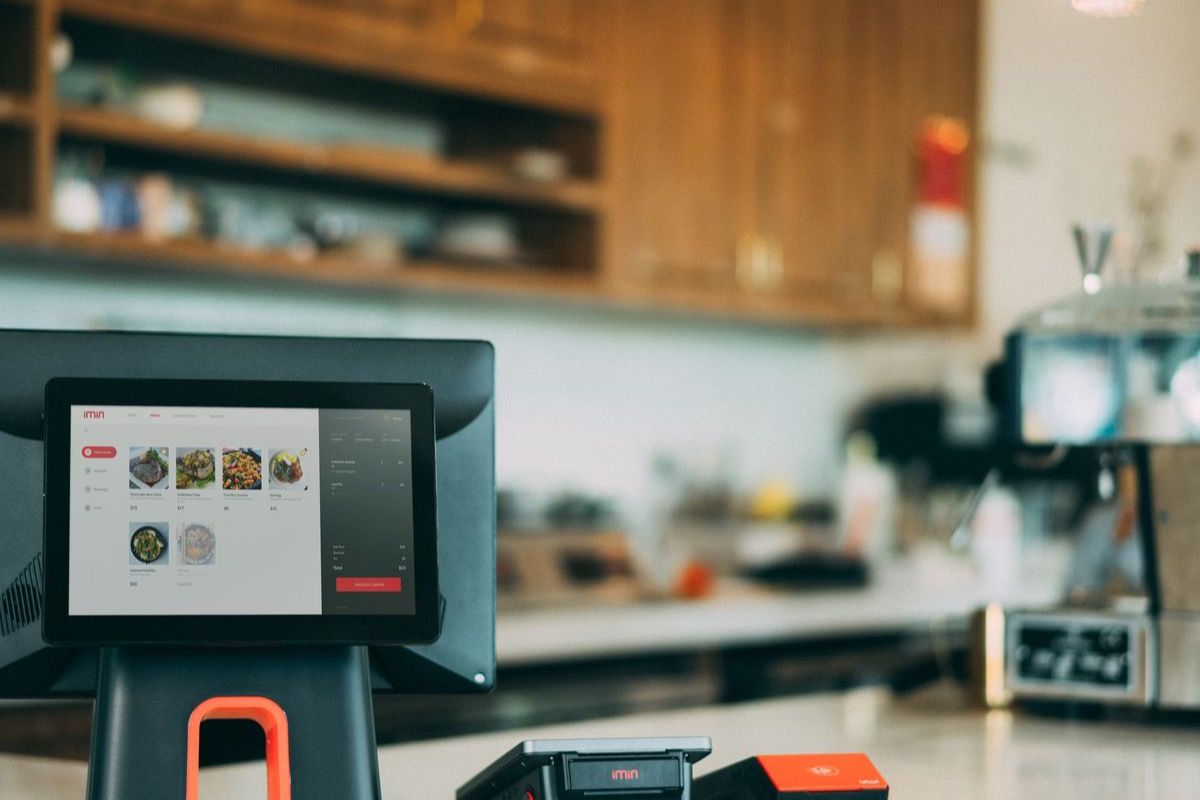
Off-peak, it removes the register position entirely. Orders arrive on a phone, hit the kitchen screen as a structured ticket, and the single person on the floor greets, hands over food, refills drinks, and wipes tables. One person, not two — and the room feels more attended to, not less.
At peak, the same three people handle more volume, because the two minutes per order that used to happen out loud now happen on the customer’s own screen while they are still in line. The register queue collapses into a pickup counter.
There is a quieter benefit that shows up in the refunds line: no misheard orders. No “I said no onions.” No remake eating four minutes of the kitchen’s peak capacity.
What It Looked Like at a Comparable Shop
An 80-seat fast-casual concept with a similar mix — sandwiches, salads, a lunch-heavy daypart — ran the change over one quarter.
Off-peak staffing went from two people to one for 25 hours a week: $375 a week, or $19,500 a year.
Peak capacity rose about 25 percent with no new hires, because orders cleared faster. Captured revenue: roughly $8,000 a year from customers who used to walk away.
Total impact: about $27,500. Against a subscription that costs less than one part-time shift per week, payback was measured in days, not months.
How to Test It in 30 Days
Week 1: measure, change nothing. Count covers per hour for seven days in 30-minute blocks. You are looking for your real peak and your real dead zone, and they are almost never where the schedule assumes.
Week 2: put QR ordering on tables and at the counter. Keep printed menus available. Do not touch the schedule yet — you want to see how customers behave before you change who is standing there.
Week 3: reschedule one shift. Take the second person off the slowest three-hour block and move those hours to the peak. Tell the team why, in numbers, or they will hear “cutting hours.”
Week 4: compare. Covers per labor hour, average check, and — the one most owners forget — the number of tickets over 12 minutes at peak. If throughput did not move, the bottleneck was somewhere else, and you learned that cheaply.
What to Watch Out For
There is a hospitality floor. One person can run a counter; one person cannot run a counter, bus twelve tables, and answer the phone at once. The savings only count if service does not visibly degrade — the customers you lose at peak are more expensive than the idle hours you saved.
Train for the new job. The person alone at 2 p.m. is now responsible for the room, not just the register. Ten minutes on how to greet, hand off, and reset a table is worth more than any software setting.
Keep paper for the holdouts. Roughly one in ten customers still wants a printed menu or to order with a person. Keep two laminated menus behind the register and let them.
Watch the tip pool. If tips were split by register hours, redistributing shifts changes who earns what. Fix the pool formula before you fix the schedule, or you will save $19,000 and lose your best opener.
The Point
This shop does not have a labor cost problem. It has a labor distribution problem. It pays peak-hour prices during off-peak hours, then pays again in lost revenue during the hours that actually matter.
QR ordering does not make your team cheaper. It makes the demand curve and the labor curve compatible for the first time — which is a different, and much better, outcome.
No hardware, no new hires, one QR code on every table. You can find out what your own curve looks like this week at qrfood.ai.