You’re Paying $4,000 a Month for a Server Who Speaks Two Languages. Is That Still Worth It?
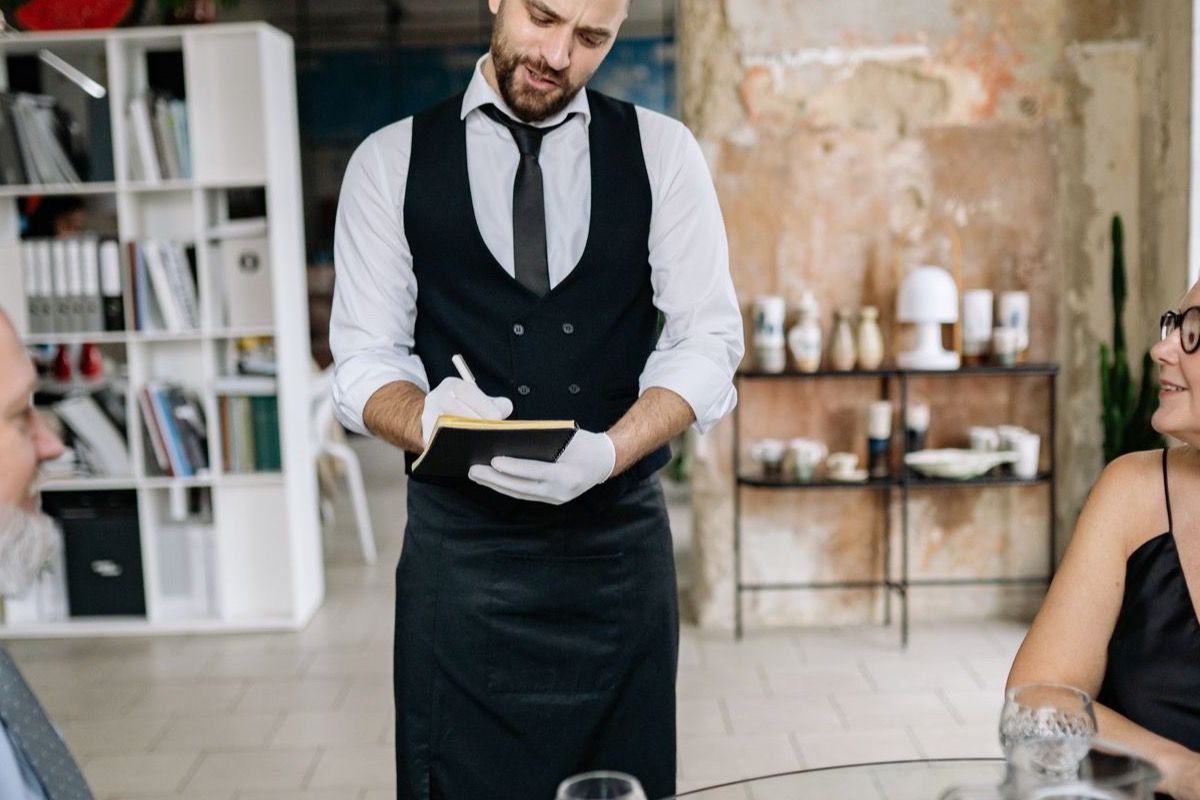
Last spring I spent a Thursday night on the line at a 60-seat Sichuan restaurant on Main Street in Flushing, Queens. Every table was full, and half of them were speaking Mandarin, Cantonese, and Korean. The owner, Daniel, introduced me to Mei — his best hire in a decade. She takes orders in three languages, calms a table of tourists who can’t read the menu, and up-sells a second pot of tea without anyone noticing she did it.
She is also, by Daniel’s own math, the single most expensive line on his payroll. “I love her,” he told me. “I also can’t build a business that depends on three people like her existing at once — and none of them stay.”
The Math on Bilingual Labor That Never Makes It to the Spreadsheet
Here are the numbers most owners never put in the P&L review:
💼 Labor already runs 30–35% of revenue for the average US restaurant. In immigrant-heavy neighborhoods it climbs, because bilingual hires command a premium of roughly $2–$4 an hour over a monolingual equivalent.
🧾 Run that for one server: $18–$20 an hour × about 173 hours a month lands near $3,400. Add employer payroll taxes, workers’ comp, and paid time off and you’re at roughly $3,700.
🔁 Then add the part owners forget: the cost of replacing her. Restaurant turnover runs about 75% a year, which means the average hire lasts roughly 16 months. Recruiting, screening, and two to three weeks of training for a bilingual server runs $3,500–$5,000. Amortized over that tenure, it is another $250–$300 a month.
Add it up and you land right around $4,000 a month — for one fluent team member.
The Hidden Cost Isn’t the Wage. It’s the Dependency.
The real trap isn’t the $4,000. It’s that the entire service floor routes through one person’s language ability. When Mei is off, the tourist tables slow down. When she’s on break, orders get misheard. And when she finally leaves — and at 75% annual turnover, everyone eventually leaves — you are not just hiring a server. You are hunting for a needle in a labor market that has none.
“I’ve posted the same bilingual job ad four times in two years,” Daniel said. “Two of the four hires quit inside 90 days.”
The False Choice: Understaff the Floor, or Overpay the Payroll
So you end up stuck between two bad options. Run short and lose the customers you can’t talk to. Or staff up, pay the premium, and watch the margin thin every quarter. Most owners pick one and live with it. There is a third door.
There’s a Third Option — and It Fires Nobody
I write about qrfood, so I’ll be straight with you: the product doesn’t replace your servers. It replaces the language barrier.
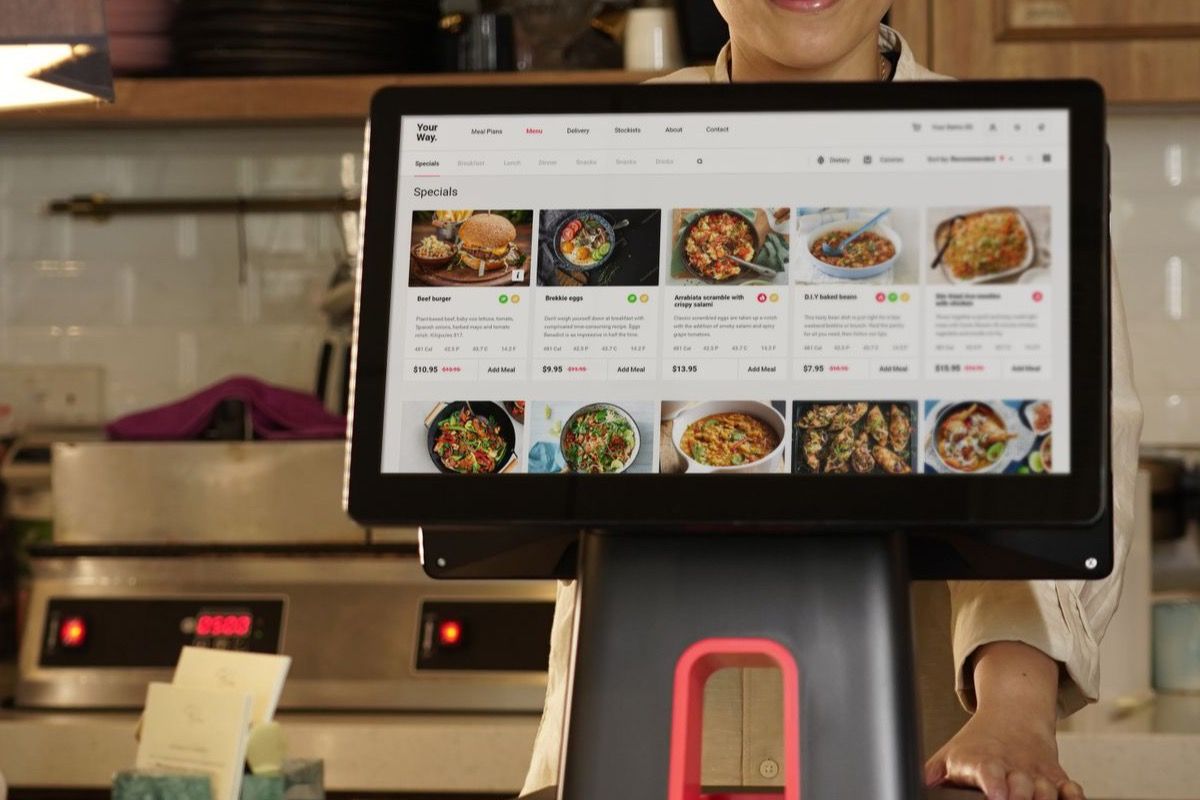
A guest scans the QR code on the table. The menu loads in their language — Spanish, Chinese, Vietnamese, Korean, Arabic, English. They read descriptions, see prices, order, and pay on their own phone. No translator on payroll. No “what’s in the al pastor?” at 7 PM on a Friday.
Your servers get to do what only humans can do: greet, read the table, bring the food, fix the problem, sell the second drink. Conversation, not translation.
What Actually Changed at Daniel’s Restaurant
Daniel didn’t lay anyone off. He put a QR menu on 14 tables and gave Mei a new role: train the floor on hospitality instead of policing translations. Six weeks later, the numbers looked like this:
🗣️ Language-only questions to staff: down by more than half
⏱️ Average time from “table sat” to “order in”: cut from 9 minutes to under 4
💵 Average check: up — guests who can read descriptions order the dishes the kitchen actually wants to sell
🌍 Languages served without one additional hire: six
And the number that matters most: Daniel stopped hiring for language. He now hires for personality and reliability — a far deeper labor pool, he says, than the one he was fishing in before.
“But Doesn’t a QR Code Feel Impersonal?”
I hear this every time, and it’s the right question. Here’s the honest answer: a QR code feels impersonal when it’s the only thing on the table. It becomes invisible — in the good way — when it does the boring work so your staff can do the warm work.
The best operators using this in 2026 don’t lead with the tech. They say: “Scan if you want photos and to order on your own — or wave me down and I’ll take care of you.” The guest chooses. Both paths work. Neither one requires a translator.
How to Test It Without Betting the Business
You don’t need a rollout. You need five tables, two weeks, and one question.
1. Put a QR menu on five tables. Keep paper menus available for anyone who wants one.
2. Track three numbers: average check on the QR tables, order-to-kitchen time, and how many questions your staff field about the language or contents of the menu.
3. Ask your staff one question at the end of the two weeks: “Did this make your night easier or harder?”
If the average check is flat or higher and your staff says easier, you have your answer. If not, you have spent two weeks and one test — not a payroll.
The Bottom Line
Paying $4,000 a month for a bilingual server is not a mistake. It’s a reasonable response to a real problem: your neighborhood speaks more languages than your menu does.
But it’s an expensive permanent fix for a problem that now has a cheap permanent one. A QR code costs pennies a day, works in every language your guests speak, and never calls in sick. And unlike your best bilingual server — whom you should absolutely keep, and pay well — it won’t get recruited away by the restaurant down the street.
Hire people, not languages. Let the menu do the translating.
See how your menu looks in six languages in minutes → qrfood.ai