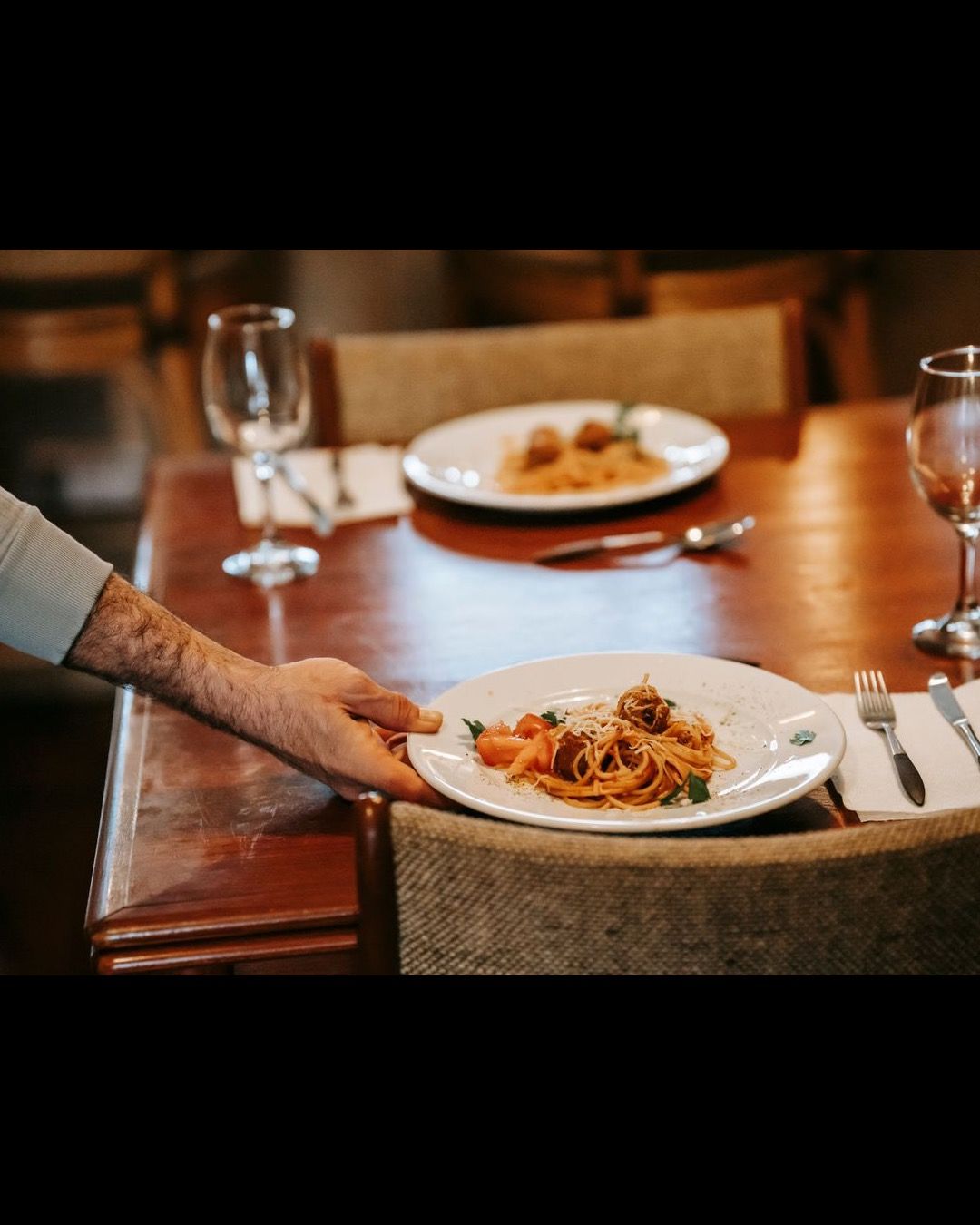
The North End Secret: How One QR Code Doubled a Trattoria’s Lunch Traffic
Hanover Street in Boston’s North End is one of the most competitive restaurant strips in America. At lunch, handwritten specials boards crowd the sidewalks. Hostesses wave laminated menus at anyone walking past. The neighborhood is famous for it — and for the quiet graveyard of restaurants that could not survive the afternoon hours.
Trattoria di Monica had the dinner crowd locked down. By 6 PM the dining room hummed, the wine list moved, and regulars knew the staff by name. But lunch was a ghost town. Eighteen covers a day, most of them tourists who wandered in by accident. Marco, the owner, watched the Financial District pour into the neighborhood every weekday — bankers, lawyers, tech workers, all hungry, all in a hurry — and none of them stopped at his door.
He assumed it was the food. It was not. It was the menu.
The Problem Was Written in Italian
Marco’s lunch menu was Italian-only. Beautiful, authentic, and completely unreadable to the crowd flooding the neighborhood. “Pappardelle al cinghiale” might as well have been hieroglyphics to a lawyer with twenty minutes before a deposition. Nobody had time to Google-translate a menu. They wanted to know three things: what is it, how much does it cost, and is there a lunch special. His menu answered none of them.
The Financial District crowd was not looking for a culinary adventure. They were looking for a decision they could make in thirty seconds. Every second they spent decoding his menu was a second they could spend walking to the sandwich shop that made it easy.
What He Changed (Spoiler: Not the Food)
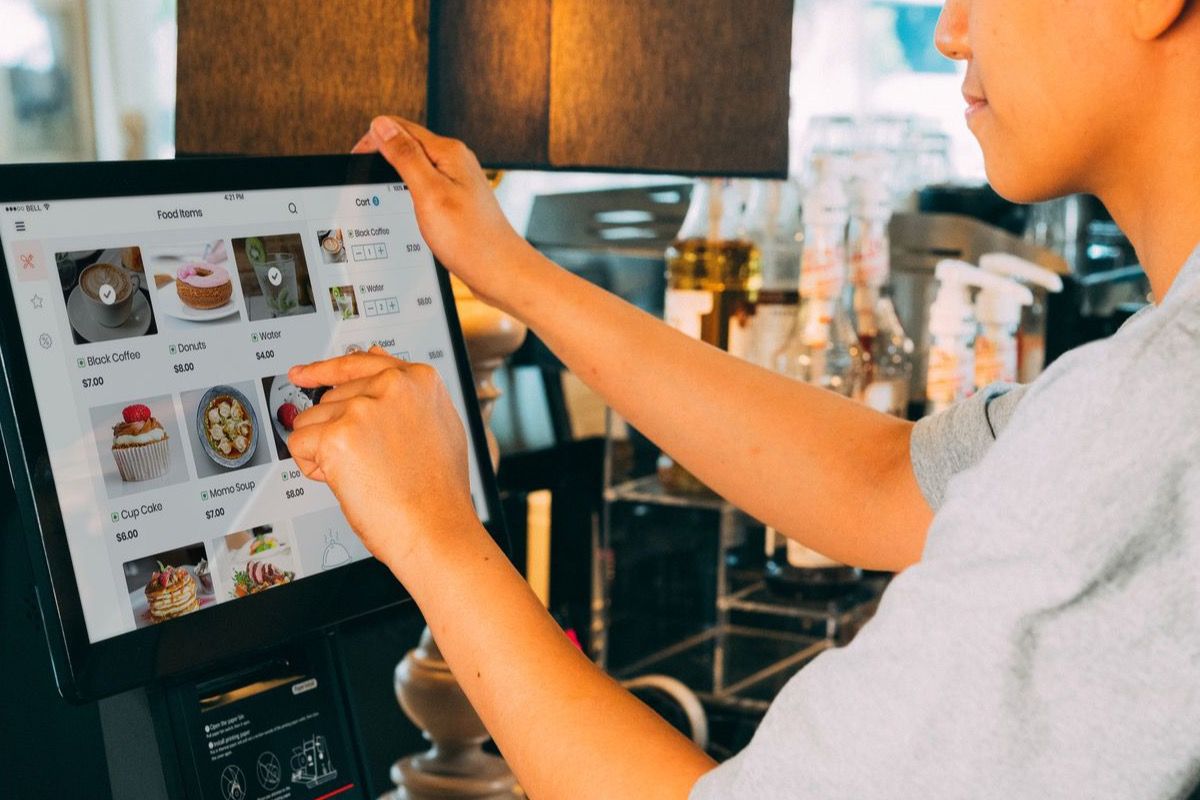
Marco did not hire a new chef. He did not slash prices. He did not launch a marketing campaign. He added one thing: a QR code on the door and on every table, linking to a digital menu with English translations, photos of every dish, and a dedicated “Quick Lunch” section — $12–$15, with a 20-minute guarantee.
The result: lunch covers went from 18 to 47 per day in two weeks. That is a 161% increase, achieved without changing a single recipe. The food was always good enough. The problem was that nobody could tell.
This is not a one-off anecdote. A 2024 restaurant technology survey found that 68% of diners under 40 prefer scanning a QR code to reading a physical menu. And 57% say they are more likely to order dishes they are unfamiliar with when the descriptions are clear. Clarity does not just help customers understand your menu — it directly drives what they order.
Why the North End Is a Multilingual Minefield
The North End is one of Boston’s biggest tourist magnets, which means the people walking past your door speak every language on the eastern seaboard — plus a healthy share of the world’s. Tour groups from Spain, Japan, and Brazil roll through in waves. Cruise passengers disembark with an hour to eat. Convention attendees wander over from the Seaport.
A paper menu printed once in a single language cannot serve that crowd. It cannot update when the lunch special changes, cannot zoom in for the reading-glasses crowd, cannot translate itself for the tour group from Milan — ironic, since Milanese tourists absolutely do want to know what “pappardelle al cinghiale” is, just in a language they actually read.
That is what QRfood does: digital menus that automatically adjust to each customer’s language. Italian, English, Spanish, Japanese, Chinese — whatever your foot traffic brings that day. No reprint costs when prices change. No translation headaches when the specials rotate. Just a menu that finally works as hard as your kitchen does.
Marco’s Next Move: Spanish for the Tour Groups
When I checked in with Marco a month later, he was already planning his next update: Spanish for the growing tour-group business. With QRfood it took him about ten minutes to add a language — no designer, no printer, no second menu to laminate. Smart move, and one that would have cost him hundreds of dollars and a week of lead time in the old way of doing things.
The lesson from Hanover Street is simple: your menu is not a document, it is a sales tool. If your customers cannot read it, they cannot buy from it. If they cannot understand a dish, they order something safe — or they order from the place down the street that made it easy.
The Menu That Speaks Their Language
Trattoria di Monica did not need better food to double its lunch business. It needed a menu that met its customers where they were — in English, with photos, with a clear path to a quick decision. The food was always the easy part. The menu was the bottleneck.
What is the bottleneck at your restaurant? If your menu is printed in one language, updated once a season, and impossible to read in thirty seconds, you already know the answer.
See what a digital menu can do for your lunch rush. Start free at qrfood.ai.