"I Can't Read This Menu" — How Language Barriers Quietly Cost Restaurants $54,000 a Year
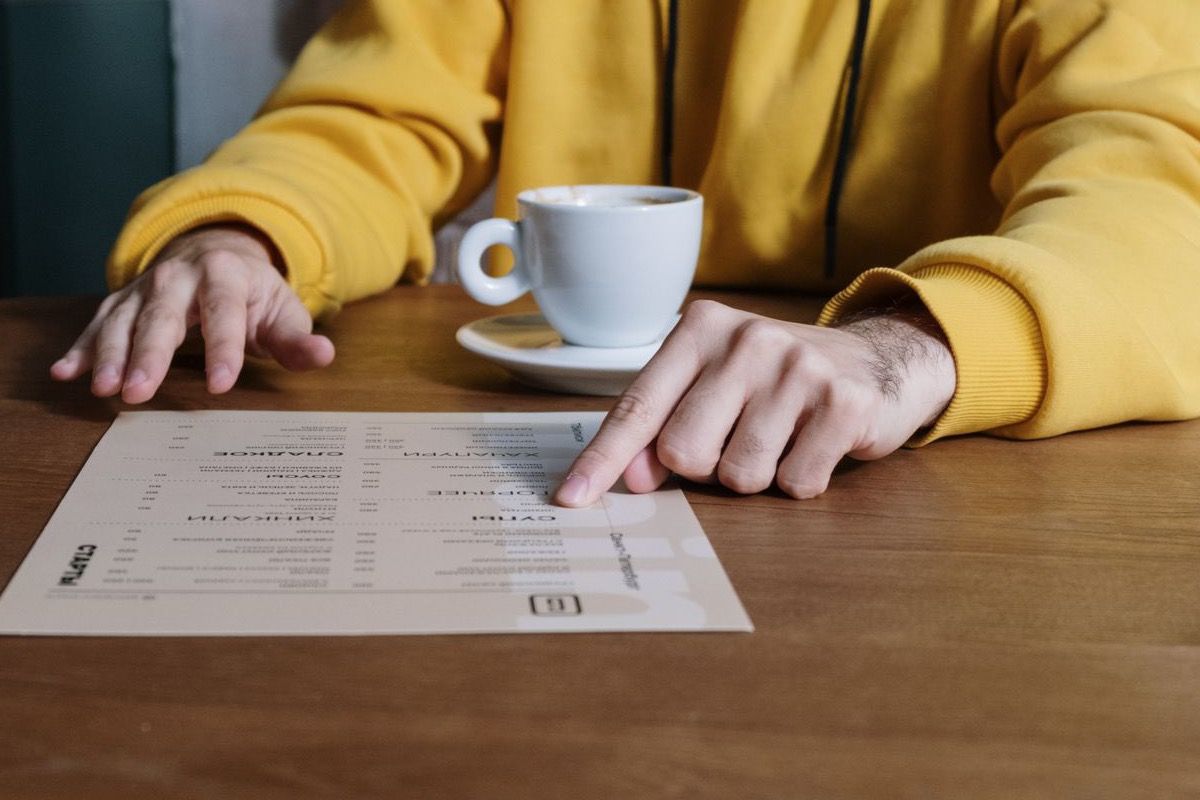
Last Friday, a family of four walked into my friend's restaurant in Houston. They looked hungry. They sat down, opened the menu — and froze. Two minutes of silence. The dad shrugged, the kids stared at their plates, and then they stood up and walked out.
That's $60 gone. Not because the food was bad. Not because the service was slow. Because three of the four people at that table didn't read English fluently, and the menu only spoke one language.
The $54,000 Leak Nobody Talks About
Here's a number that should stop every owner in their tracks: in 2024, more than 25% of US households speak a language other than English at home. In cities like Los Angeles, Houston, and New York, that figure pushes past 50%.
Let that sink in. In your city, roughly half the people walking past your door might not be able to comfortably read your menu. They're not rude for leaving — they're frustrated. Nobody wants to guess what they're ordering, or point at pictures like it's a game of charades.
Now do the math with me. Say just 3 tables a day walk out because of the language barrier. At a $50 average ticket, that's $150 a day. $4,500 a month. $54,000 a year — walking out your door, every single year.
I've spent the last decade writing about restaurants, and I can tell you: most owners would move heaven and earth to save $54,000. Yet this one sits right under their noses, invisible, because it's not a line item on any P&L.
What I Saw Watching Customers Struggle
I spent a Saturday evening recently just watching people order in a busy Asian-fusion spot in LA. Here's what I saw, over and over:
• A Spanish-speaking couple pointed at item numbers and hoped for the best. They got a dish they didn't want, ate it anyway, and left a mediocre review.
• A Vietnamese grandmother asked her grandson to translate the entire menu. He got it wrong twice. She gave up and ordered the same thing she always orders — out of exhaustion, not preference.
• A young professional scanned the menu on his phone for a translation app, got frustrated with the clunky process, and walked across the street to a place with pictures.
None of these people were "difficult." They were customers — with money, with hunger, with loyalty waiting to be earned. The menu just never gave them a chance.
The Fix Doesn't Require Bilingual Staff or a Translator
Here's what most owners assume: fixing this means hiring bilingual staff, printing menus in six languages, or translating everything themselves. That's expensive, error-prone, and honestly, unnecessary.
The fix is a QR code.
With QRfood, customers scan the code on your table, counter, or window and instantly see your full menu in their language — Spanish, Chinese, Vietnamese, Korean, Tagalog, you name it. It's on their own phone. No app download. No awkward pointing. No translator needed.
One owner I know in Houston's Bellaire neighborhood — a majority-Vietnamese and Chinese area — put QR menus on 12 tables on a Tuesday. By Friday, his server told me something I'll never forget: "I've worked here for four years. This is the first weekend I didn't have to explain a single menu item in two languages."
The kitchen didn't change. The recipes didn't change. The staff didn't change. Only the menu did — and suddenly, the restaurant spoke the language of every customer who walked in.
What Multilingual Menus Actually Do to Your Numbers
This isn't a feel-good story; it's a revenue story. Here's what operators who've gone multilingual report:
📊 Average ticket sizes rise 15–20% when customers can actually read descriptions instead of pointing at numbers — they order what they want, not what they can gesture at.
🔄 Repeat visits increase. A customer who feels understood becomes a regular. One study of immigrant-dense neighborhoods found that language-matched service lifts return rates by nearly a third.
⭐ Reviews improve. When customers can read the menu, they stop leaving "good food but confusing menu" three-star reviews — the exact reviews that quietly kill new-customer traffic.
💵 And the leak stops. That $54,000 a year I mentioned earlier? Plugging it means the tables that used to walk out now sit down, order, and come back.
How to Fix Your Menu This Week
You don't need a redesign. You don't need new staff. You need three things:
1. A QR menu that auto-detects or lets customers pick their language. QRfood handles the translation of your existing menu — you write it once, your customers read it in any language.
2. A sign that invites the scan. Put the QR code on every table tent, at the counter, and on the door. The message: "Scan for our full menu in your language." That single line tells non-English speakers they're welcome here.
3. A week of paying attention. Watch your floor. You'll notice fewer confused faces, faster ordering, and tables turning over more smoothly. That's your leak closing in real time.
Your Menu Is the First Impression — Make It Speak Their Language
Every restaurant has a front door. But for millions of Americans, the real front door is the menu — and if it doesn't speak their language, the door might as well be locked.
You already have the tables. You already have the food. You already paid for the rent, the lights, and the ingredients. The only thing missing is letting every customer actually order what they came for.
A QR code costs nothing to start. The customers it keeps are worth tens of thousands a year. That's not a marketing theory — that's a family of four, sitting down instead of walking out, every single night.
Try it free at qrfood.ai. Your menu, any language. Your customers will finally be able to read it — and they'll show their thanks with their wallets.