Menu Redesign Fees: Why Chef Kwon Paid $5,100 for Paper
Chef Kwon runs a Korean BBQ spot in San Francisco that I would put against anything in the Mission. His short ribs are the reason the weekend wait stretches past forty-five minutes. But when we sat down after service, he was not talking about meat. He was talking about his menu — and the freelance designer who bills him every time he wants to change it.
Here is the part he never added up: his menu changes with the seasons. Summer means cold noodle bowls. Winter means bubbling hot pots. Spring brings vegetable specials his produce supplier only carries for six weeks. Every rotation means a redesign — art direction, food photography, layout restructuring, print-ready files. Six redesigns in eighteen months, at $850 each. That is $5,100 spent on paper, and he never tracked a dollar of it.
$5,100 buys a commercial reach-in refrigerator. It buys a full month of Instagram advertising in front of 100,000 local foodies. Chef Kwon got none of that. He got menus that would be outdated the moment the seasons turned again.
The Average Restaurant Burns $1,800–$4,800 a Year on Redesigns
Kwon is not the exception; he is the median. Independent restaurants typically pay $600–$1,200 for a complete menu redesign, and most redesign three to four times a year — for seasonal rotations, price adjustments, new dish launches, or simply because the printer’s minimum order made reprinting a single page impractical. Run those numbers: $1,800 to $4,800 a year, every year, and none of it feeds a single customer or improves a single recipe.
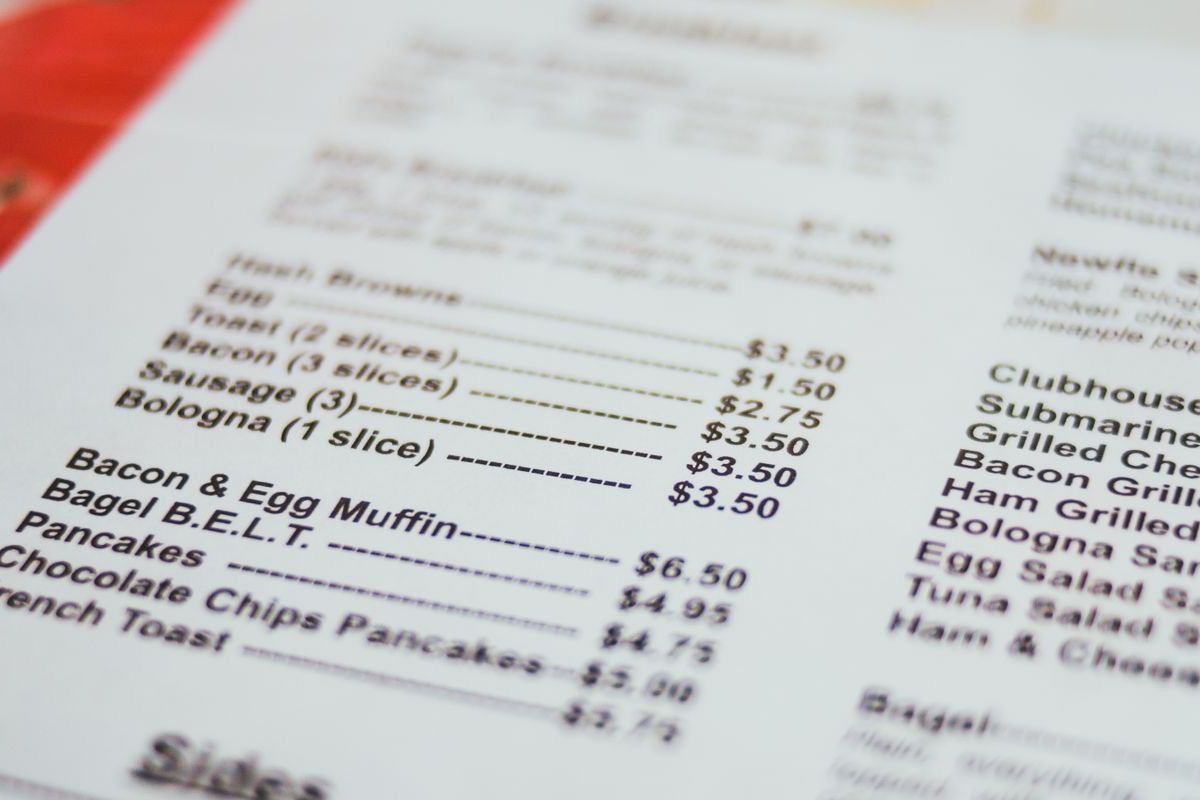
Paper hides the cost beautifully. A printed menu feels legitimate — it is physical, it looks polished on the table, it signals "real restaurant." But that legitimacy carries a subscription fee, and it renews itself every time the market price of short rib moves ten cents and you cannot bring yourself to serve a menu with wrong prices.
What You Are Actually Buying With Every Redesign
Walk through an invoice from a typical redesign and you will find art direction, photography, layout, proofing, and print-file preparation. None of it makes your food better. None of it brings a new customer through the door. It is cash that could be going to better sourcing, higher staff wages, or marketing that actually fills seats.
The trap is that the thing you are polishing — the menu — is the thing that changes most often. You are paying a premium to make a permanent object out of temporary information.
The Fix: Design Once, Update in Minutes
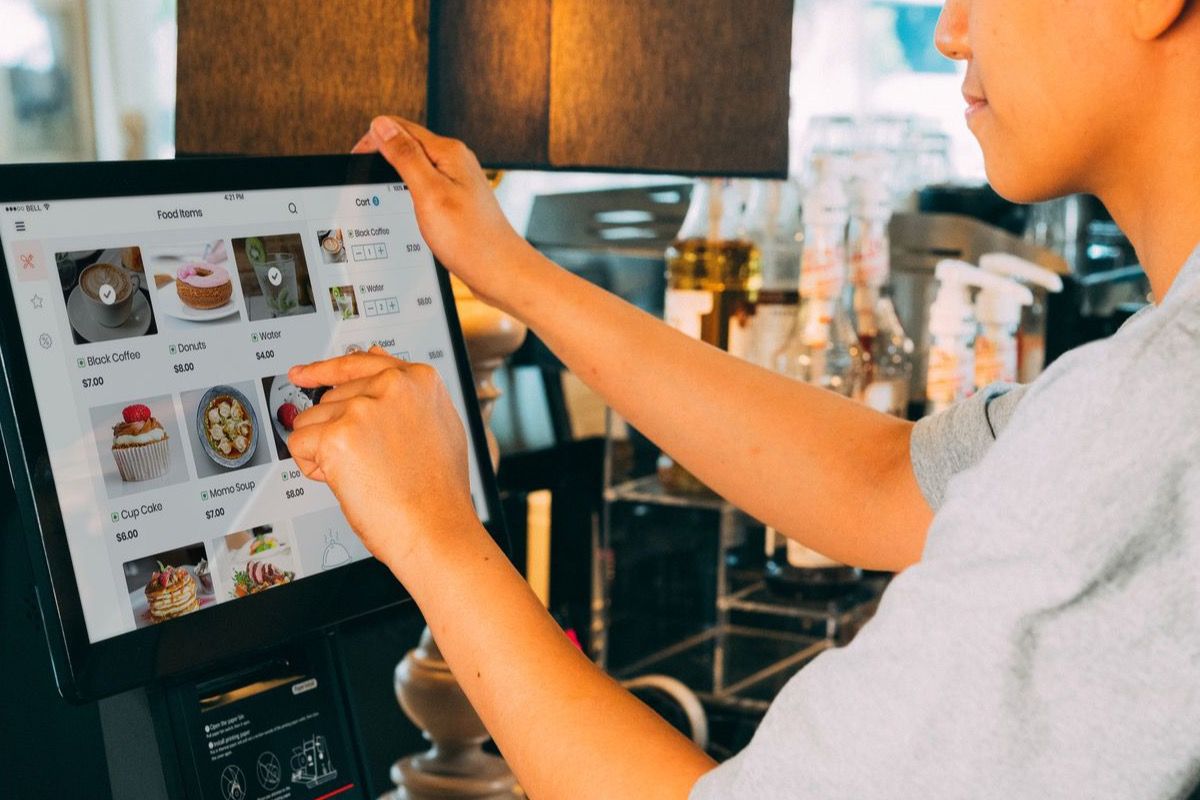
QRfood’s platform includes professional menu templates that let you update items, photos, descriptions, and prices in minutes — no designer, no print run. Want to add a seasonal special? Do it at 3 PM, serve it by dinner rush. Supplier raised your beef cost? Two clicks, and every menu in front of every customer shows the new number instantly. Zero design fees. Zero reprint costs. Zero stacks of outdated menus in the office closet.
And this is not untested software. QRfood is already verified in Japan’s notoriously competitive restaurant market, where 500+ restaurants use it daily and profit margins hover near 3%. If a platform can survive Tokyo’s economics — where a menu mistake is not a line item but the difference between profit and loss — it can handle a San Francisco seasonal rotation without draining your budget.
Design Once. Update Forever.
Chef Kwon told me his next redesign will be his last. Not because he stopped caring how his menu looks — because the digital version updates in minutes and always looks current. His money now goes to meat, to staff, and to the ads that fill seats. The menu stopped being a recurring bill and became what it should have been all along: a tool.
Your menu should be your most flexible asset, not your most expensive recurring expense. Try QRfood free at qrfood.ai. Design once, update forever, and spend your money on what actually matters.