
🧾 Your Menu Says $12. Your Check Says $14. Your Customer Won’t Forget.
The cheeseburger on my neighborhood spot’s printed menu says $12. The check at the end of the meal says $14. Two dollars — that’s roughly what beef has gone up since they printed those menus six months ago. It’s also the moment this restaurant quietly lost a little of my trust.
The owner thinks: “It’s just two dollars. Beef went up. Everybody knows that.” The customer thinks: “Why didn’t they tell me? What else am I being charged for without knowing?” Same meal. Same two dollars. Two completely different stories playing in two heads at the same table.
The Check Is Where Trust Gets Made — or Broken
That awkward pause at the end of a meal — when the check doesn’t match the menu — is one of the most dangerous moments in hospitality. Cornell University hospitality research has found that pricing transparency ranks among the top three factors in whether a diner rates a restaurant as trustworthy. Not the food. Not the lighting. Pricing transparency.
And trust is the quiet engine of this business. A guest who trusts you comes back, tips fairly, and tells three friends. A guest who feels tricked writes a two-star review, tells ten friends, and never returns. One $2 mismatch can quietly erase hundreds of dollars in lifetime value.
It’s Never Just the Cheeseburger
Menu drift happens everywhere. Beef prices rise, and the printed menu keeps the old number. The daily special changed three weeks ago, but the board still shows it. The seasonal item sold out in April — the paper menu still lists it in July, crossed out in pen. The lunch combo went up in the POS, but never on the laminate.
Each one is a tiny trust leak. Alone, none of them feels fatal. Together, they tell customers a story: this place doesn’t pay attention to detail. In an industry where repeat visits are the profit engine, that story is expensive.
Why Printed Menus Keep Lying for You
A printed menu is frozen on the day you sent it to the printer. Every price change, every sold-out item, every new special is a race between your kitchen reality and that frozen document — and the document usually loses. Restaurants respond with sticker-over-sticker price patches, Sharpie cross-outs, or $400 reprint runs every time commodity prices twitch. All three look sloppy to the guest holding the menu.
Reprinting has a real cost, too: design, printing, shipping, and the labor to swap menus at every table. Most small restaurants would rather quietly eat the $2 than pay that again. So the mismatch stays. And the customer notices.
The Fix Is Boring — and That’s the Point
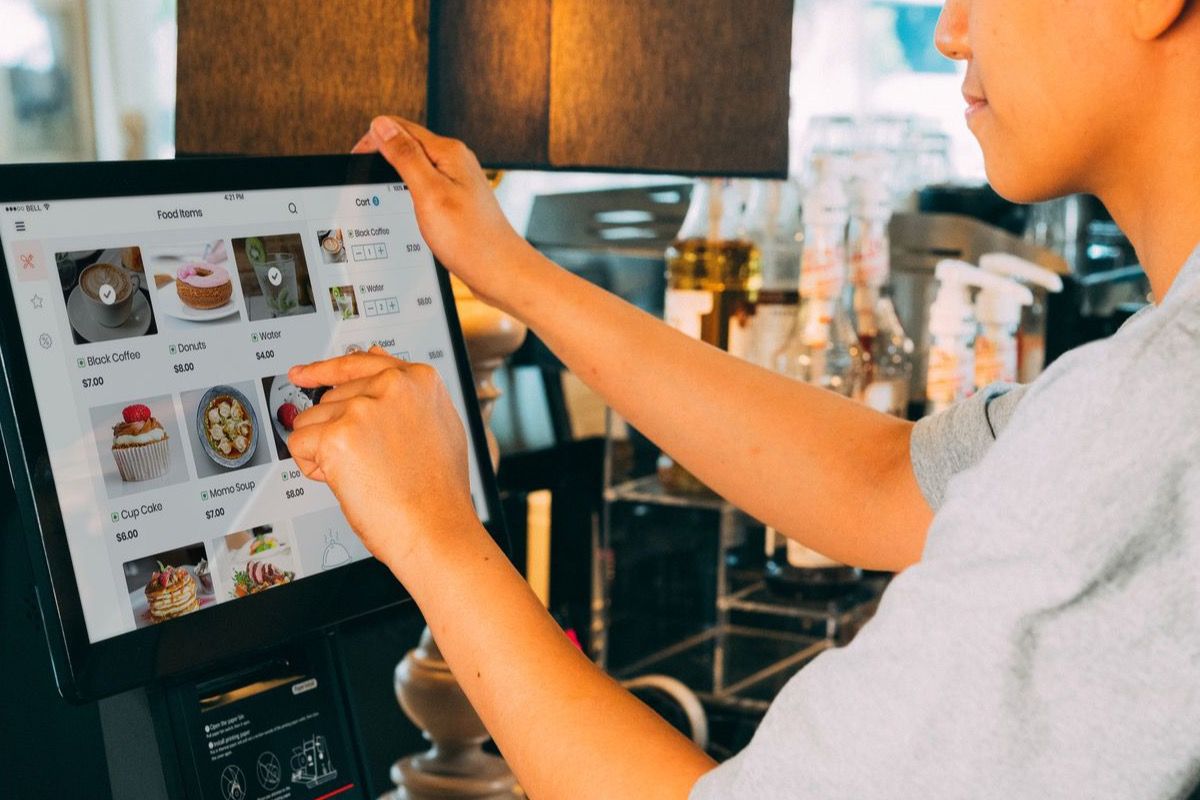
Digital menus don’t just look modern. They solve a logistics problem: the menu and the price list finally live in the same place, updated in real time.
Beef goes up? Change the price in one click, and every QR code on every table now shows the current number. Daily special changes? Swap it in thirty seconds. An ingredient runs out? Remove the item instantly — no crossed-out ghosts on a greasy paper menu.
No reprint invoices. No sticker stacks. No “$14… sorry about that” at the register. The menu the customer reads is the menu the customer pays.
What Pricing Accuracy Actually Returns
✅ Fewer end-of-meal surprises — fewer disputes, faster table turns, better reviews.
✅ One source of truth: the same prices on the menu, the POS, and delivery listings.
✅ Customers who read the real price and still order — the strongest signal of trust a restaurant can get.
✅ No reprint spend. Ever again.
Your Margins Are Thin Enough
Every dollar of margin is earned twice — once by cooking well, once by being straight with people. A $12-to-$14 mismatch doesn’t just cost you two dollars of goodwill. It costs you the benefit of the doubt on everything else you serve.
QRfood keeps your menu in the cloud: log in, update prices or add dishes, and every table’s QR code reflects the change immediately. Four languages when you need them. Real-time accuracy, always. No reprints, no sticker-over-sticker, no awkward register moments.
Keep the menu honest, and customers will keep coming back. → qrfood.ai