The BBQ Joint That Converted 50 "Try-Once" Customers Into Regulars — With One Menu Change
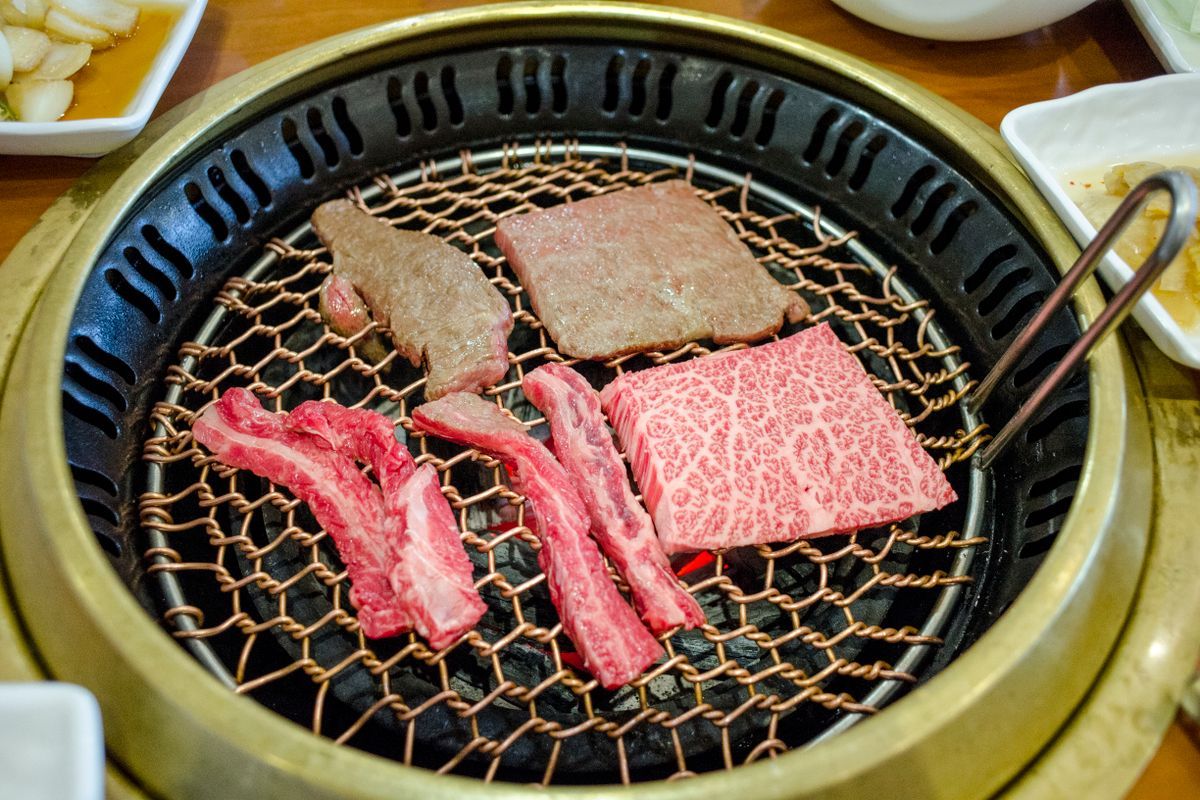
On a Friday night in LA's Koreatown, there's a familiar scene: a group of friends crowds around a sizzling grill, pointing at a laminated menu, squinting, and finally saying "just give us the combo." They eat. They enjoy. They never come back.
The Data That Changed Everything
That was the pattern at Seoul Fire Grill on Olympic Blvd — before they added English-Korean menus. Owner Jay Kim told me he noticed something strange in his POS data. Non-Korean customers spent the same average bill as Korean customers... on their first visit. But their lifetime value was 62% lower. Translation: tourists and first-timers enjoyed the food but felt too intimidated to return.
Two Changes. One Strategy.
So Jay did two things: (1) bilingual menu boards, and (2) a digital QR-based menu with dish photos and ingredient notes.
From 23% to 68%: The Turnaround
Within three months, the repeat-visit rate for non-Korean speakers jumped from 23% to 68%. That's the difference between a ghost and a regular.
In LA, Bilingual Menus Are Table Stakes
Here's what Koreatown restaurant owners know but don't say out loud: LA's food scene is hyper-competitive. If a customer can't read your menu in the time it takes their Uber to arrive, they're going to the spot two blocks down that has English descriptions. A bilingual menu isn't a "nice to have" anymore — it's table stakes.
Let Your Menu Speak Their Language
QRfood makes this effortless. One QR code on your table gives customers menus in 10+ languages with full descriptions and photos. No paper costs. No translation headaches. Your Korean BBQ speaks for itself — let your menu say it in their language too.
Start free at qrfood.ai.