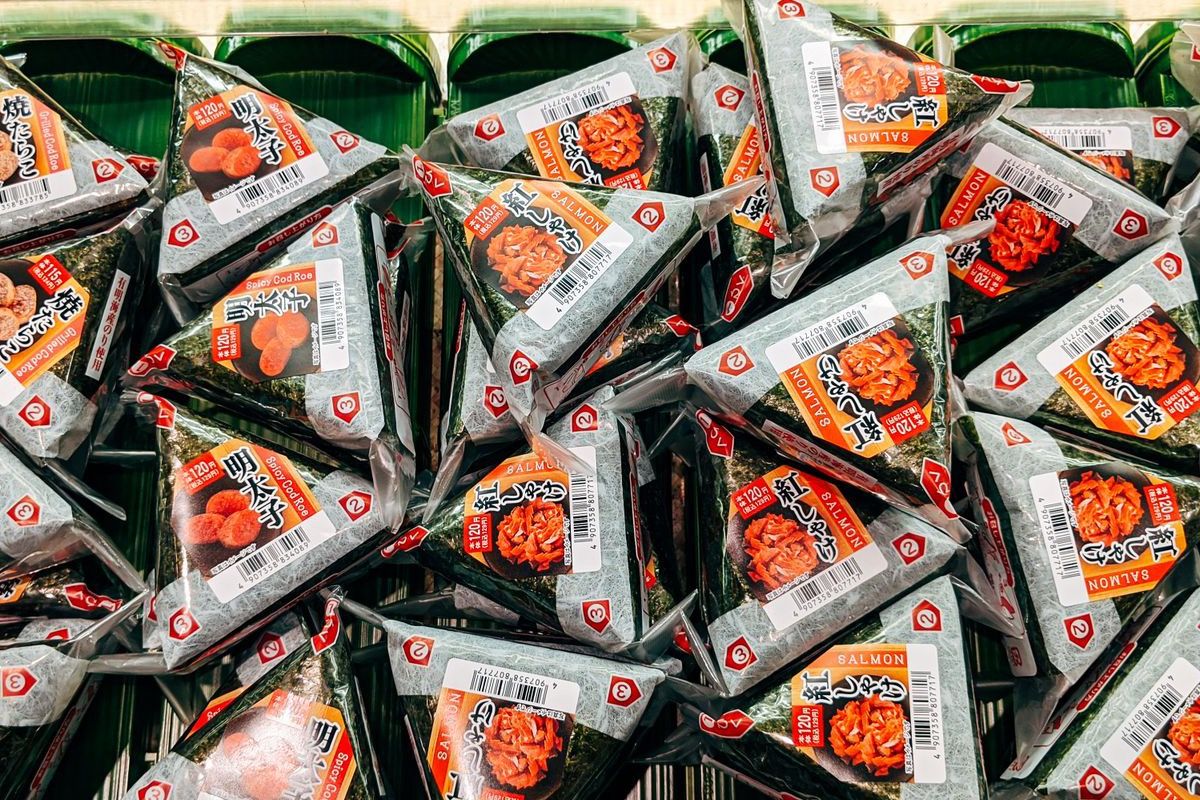
The Konbini Standard: Why Japanese Diners Refuse to Point at Menus
Walk into any 7-Eleven in Tokyo. Scan. Tap. Walk out. Done. The whole transaction takes thirty seconds — no small talk, no fumbling for cash, no decoding a laminated menu behind bulletproof glass.
Now walk into a high-end sushi counter in Ginza. Same flow. Scan the QR code at your seat. Order what you want, add extra rice, note your allergies. The food arrives. You never once pointed at a menu or waved down a server.
That is not a coincidence. It is a standard.
Japanese consumers — locals and tourists alike — have been trained by konbini culture to expect frictionless transactions. The convenience store is Japan's most democratic institution: 55,000+ stores nationwide, open 24/7, where you can pay utility bills, ship a package, and buy a three-star-quality onigiri at 2 a.m. It runs on speed and precision.
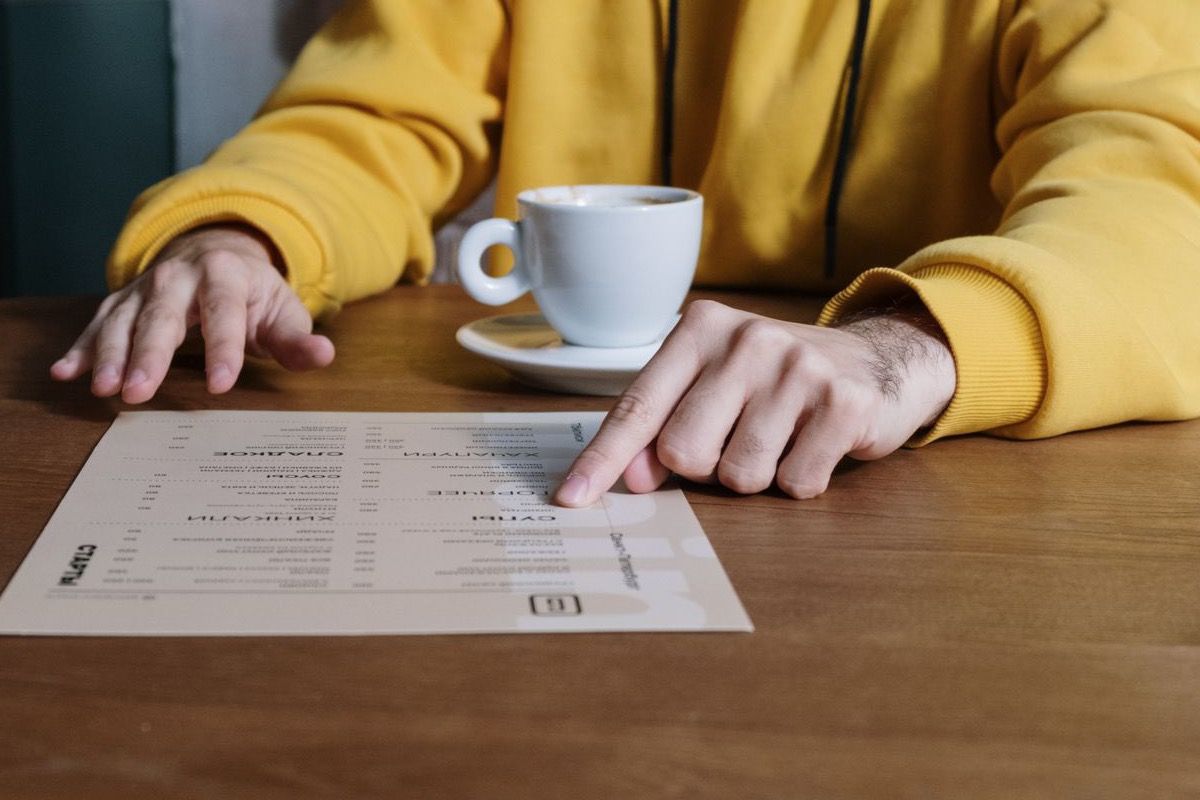
Diners carry that expectation straight into restaurants. They don't want to wave down a server to ask what the "grilled eel set" comes with. They want to read it, see a photo, check the allergens, and tap "order" — all while deciding whether to add extra rice.
This isn't a luxury feature in Tokyo. It's table stakes.
The Napkin Problem
Meanwhile in the US, I watched a group of Japanese tourists at a "modern Asian fusion" spot in LA spend eight minutes trying to explain a shellfish allergy to a server. The server wrote it on a napkin. The napkin got lost. The dish arrived with shrimp. The tourists didn't eat it. The restaurant comped the meal and still got a one-star review.
That napkin problem doesn't exist in Tokyo — because the allergen system is baked into every digital order. The guest inputs it once. The kitchen sees it on the ticket. Nobody translates anything, and nothing gets lost between the table and the pass.
Why This Matters More Than You Think
Here's the uncomfortable truth for American operators: food allergies send someone to the emergency room every three minutes in the US, and menu communication errors are among the most common causes of allergy incidents in restaurants. A napkin is not an allergen-management system. Neither is a server's memory on a busy Friday night.
The stakes go beyond safety. Every "can I see the menu?" and every repeated explanation costs you table time — and table time is revenue. Japanese restaurants learned this years ago: when ordering is frictionless, tables turn faster, checks run higher, and guests leave happier.
The Tokyo Standard, Now Available in America
QRfood brings that Tokyo standard to American restaurants. 500+ Japanese venues have already made the switch — from konbini-adjacent fast-casual counters to full-service dining rooms. Guests scan, browse photos, filter by dietary needs, and order without a single word of explanation.
If the world's most demanding diners expect QR ordering, why wouldn't yours?
Your customers already live the konbini standard every day — they scan to pay at the grocery store, scan to board a plane, scan to order at the coffee shop. The only place we still make them squint at a paper menu and repeat themselves is at the table.
Start free at qrfood.ai. Give your guests the thirty-second transaction they've been trained to expect — and give your kitchen an allergen trail that can't get lost on a napkin.