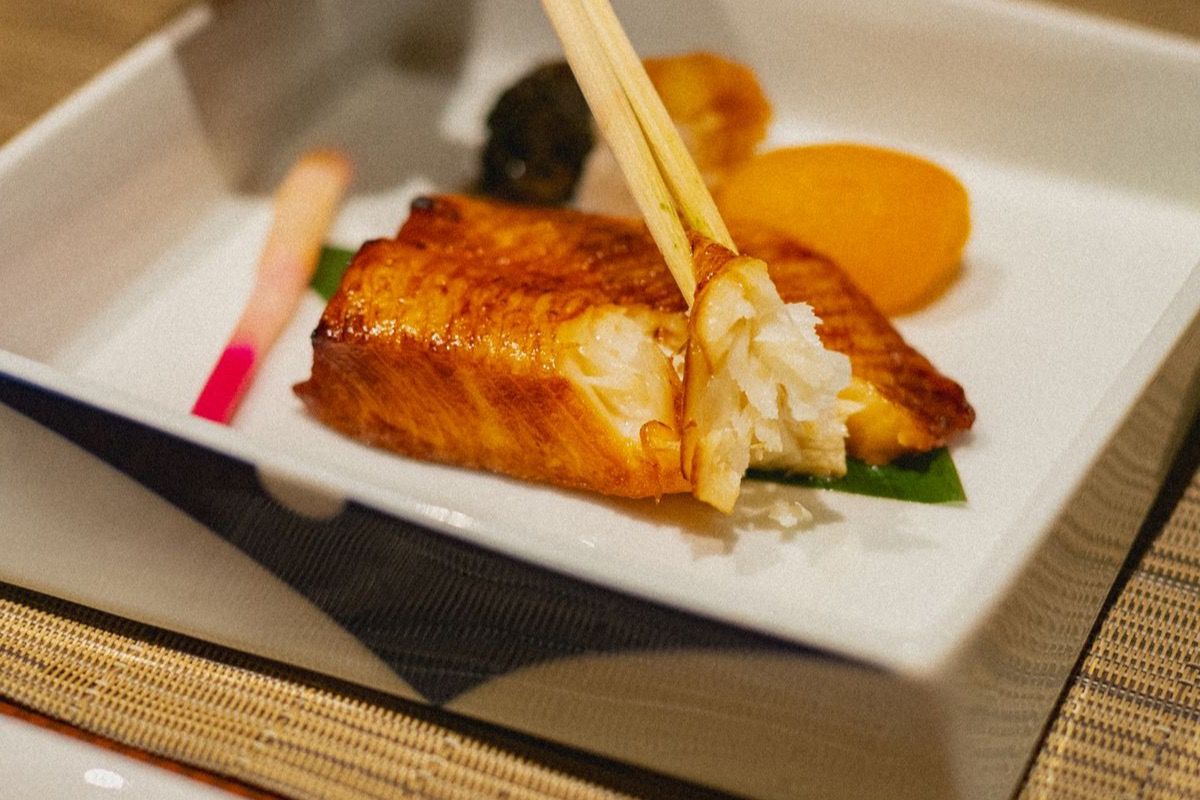
Your Menu Is Your Best Salesperson — What Tokyo Kaiseki Taught Me
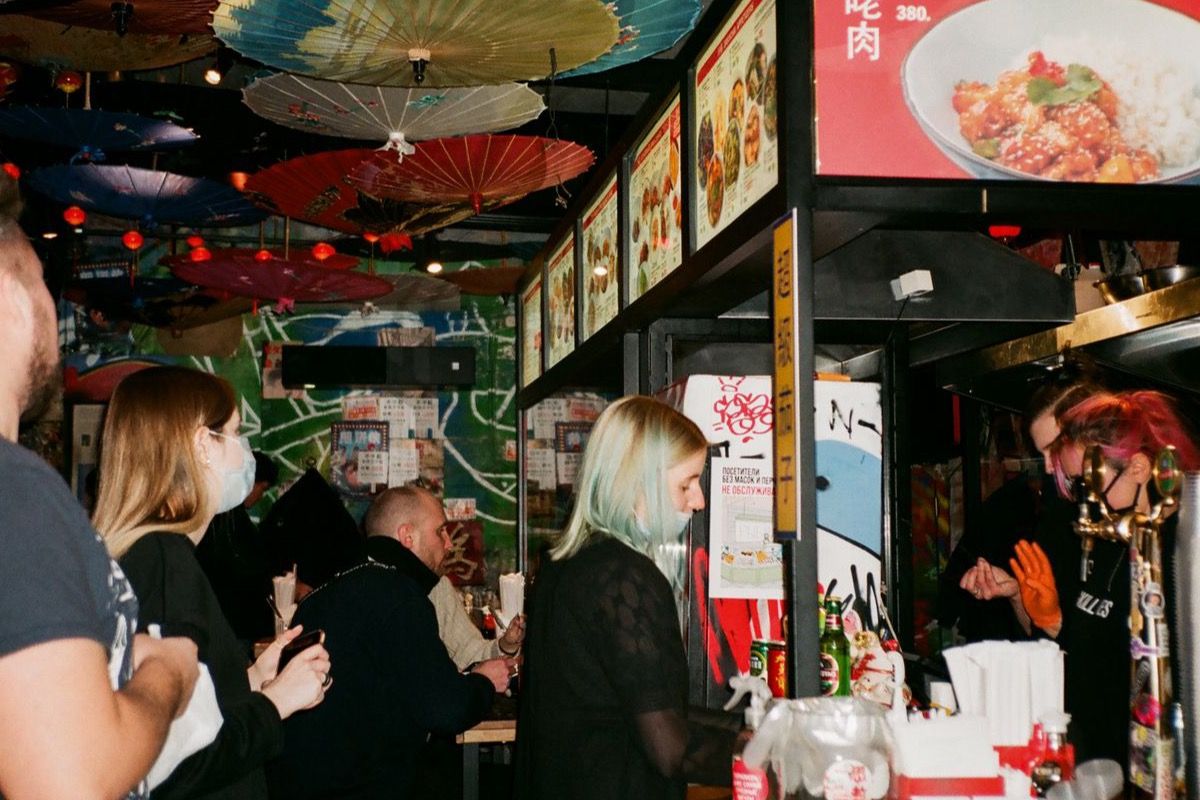
It was a Tuesday night in Kichijoji, a quiet neighborhood west of Shinjuku. I had found an 8-seat kaiseki restaurant with no English sign, no website, and a chef who had been perfecting the same dashi recipe for 34 years. I braced for a language wall.
Instead, the host handed me a laminated card with a QR code. I scanned it, and the menu appeared on my phone: food photography so good it made my mouth water, descriptions in flawless English, seasonal ingredients flagged with small icons, and a "chef's recommendation" section that explained why each dish existed — the story behind the fish, the philosophy behind the broth.
I ordered three times what I planned to. The couple next to me added the sake pairing after reading about the brewer. That night, the menu sold more than the chef did.
In Japan, the Menu Is a Sales Tool — Not an Afterthought
Japanese restaurants understand something many American operators miss: the menu is the most effective salesperson in the room. The presentation triggers appetite. The storytelling builds trust. The photos reduce hesitation. Every element is engineered toward one outcome — a higher average check, delivered through a better guest experience.
This is not a cultural quirk. It is menu psychology, refined over decades. When guests understand what they are ordering and why it is special, they order more — and they enjoy it more.
The American Menu Problem: A Wall of Text
Walk into most American restaurants and what do you see? A wall of text. No hierarchy. No photography. Descriptions so generic they could apply to any kitchen in any city. The items that make you the most money sit buried in the middle of the page, indistinguishable from everything else.
That is a silent revenue leak. Menu research has shown for decades that how you present a dish changes how often it sells — and what guests are willing to pay for it.
What Menu Science Actually Says
The evidence is consistent. Descriptive, story-driven menu items outsell plain labels by up to 27% (Cornell University research). Menus with professional food photography see average checks rise 15–30% in casual dining settings. Items placed in the "golden triangle" — top right, top left, top center — outsell bottom-of-page items by up to 80%. And highlighting a high-margin item with a photo or a chef's note can move it from the bottom third of sales to the top third within weeks.
The Kaiseki Playbook: 3 Rules You Can Steal Today
Rule 1 — Give every dish a story. In kaiseki, every course has a reason: the season, the region, the technique. "Aged for 40 days" sells better than "aged." "Hand-ground sesame" outsells "sesame." Specificity is appetite.
Rule 2 — Engineer the visual hierarchy. Lead with your best-margin items. Use photos strategically — one per category is enough. Put your hero dish in the golden triangle. Make the "chef's recommendation" unmissable.
Rule 3 — Make it beautiful on every screen. Your menu will be read on a phone. If it is a PDF of a printed page, it fails. High-resolution images, clean typography, and a layout that flows — that is what turns browsing into ordering.
How QRfood Brings the Kaiseki Philosophy to Your Restaurant
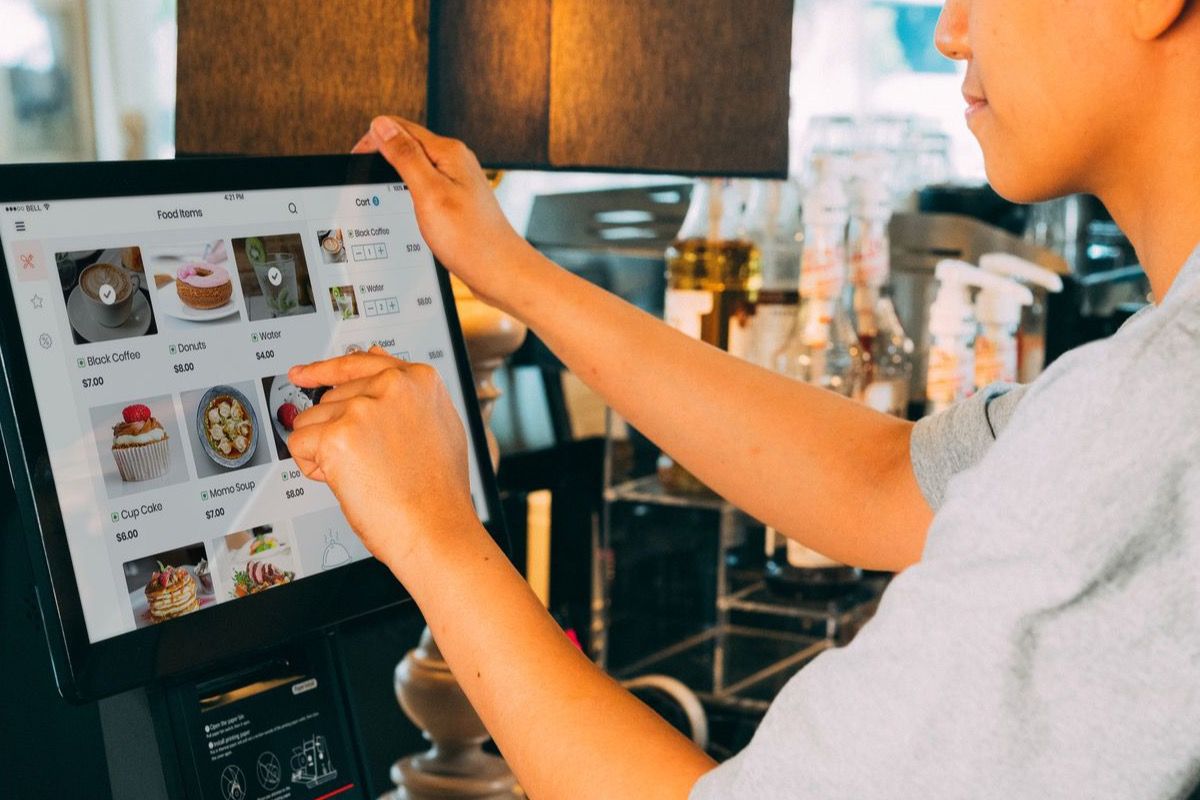
QRfood was designed around this Japanese philosophy: every dish is a sales opportunity. High-res photography, smart categorization, and a visual flow that guides guests toward higher-margin items — the same structure that works at a Michelin-star kaiseki in Tokyo, now on any table in America.
The same psychology that made me order three courses in Kichijoji works on your guests in Austin, Denver, or Nashville. Human psychology does not change across oceans — it just needs the right menu to be triggered.
The Menu Isn't a Cost. It's Your Best Employee.
You have invested in your kitchen, your space, your staff. But the menu — the one thing every guest reads before they spend — often gets the least attention. Fix that, and you fix your average check.
Scan. Order. Serve. Grow. See the difference at qrfood.ai.