🇯🇵 The Japanese Tourist Problem Hiding in Your Menu
Last year, 2.5 million Japanese tourists visited the United States. Almost every one of them walked into a restaurant, opened a menu written in English, and felt that small flicker of anxiety — the one that says: I hope I don't order something I can't eat.
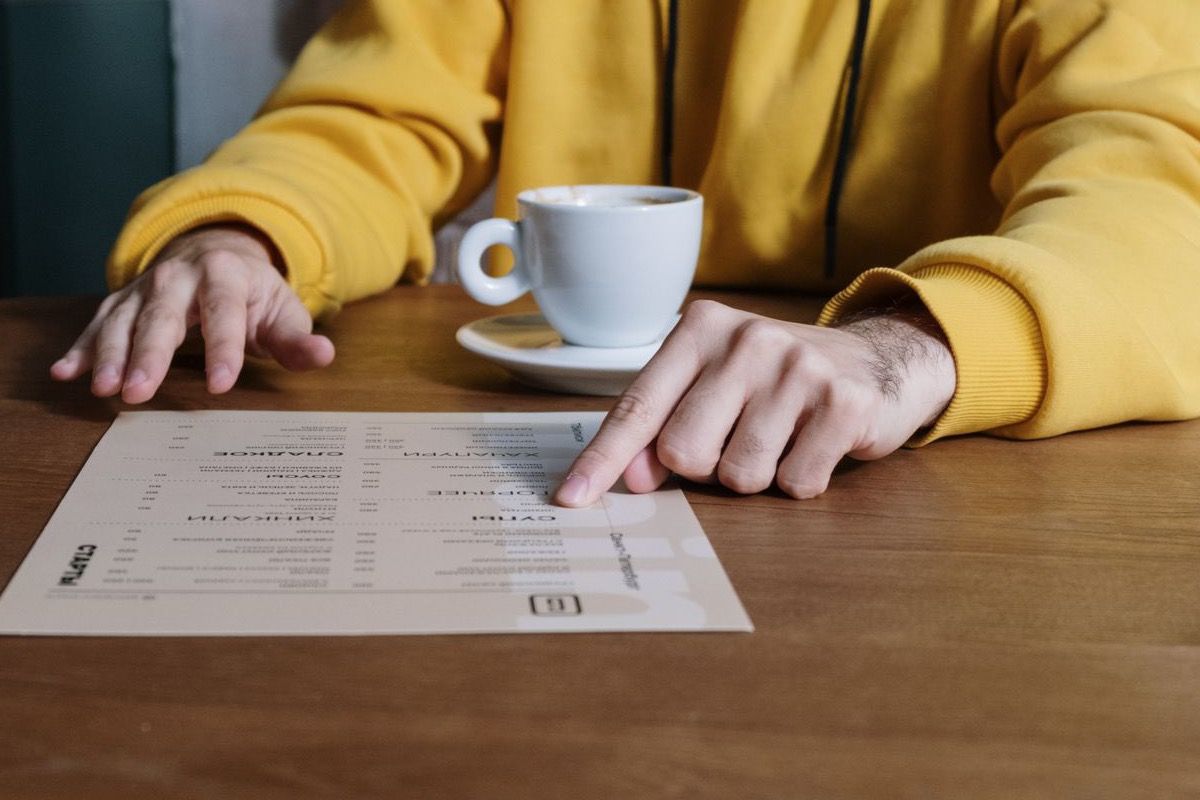
I know the feeling, because I've lived the reverse. Before QR menus were everywhere, I was the English speaker in Tokyo, staring at a wall of kanji and doing what every nervous traveler does: pointing at something random and hoping for the best. It's the menu lottery. You win most of the time — but every so often you order chicken cartilage when you wanted chicken thigh.
The Menu Lottery Is Quietly Costing You Tourists
Japanese travelers in America face the same problem, just in reverse. They want to try your food. They're excited to try your food. But if they can't confidently read the menu, they won't gamble — they'll default to the safe option: the chain restaurant next to the hotel, or the convenience store downstairs.
That isn't a preference. It's a workaround. And every single day it sends hungry, higher-spending tourists straight past your door and into someone else's.
The Number That Changes the Math: +23% Per Head
Here's the data point that should stop you cold. When a restaurant offers a Japanese-language menu, Japanese diners spend 23% more per head.
They order with confidence. They explore the menu instead of defaulting to the one dish they recognize. They try the signature plate instead of the safe appetizer. Confidence at the table converts directly into dollars on the check.
Run the math on a single dinner service: lift your Japanese covers by 23% and it quickly becomes your most profitable seating of the week — from the same room, the same kitchen, and the same recipes.
Why "Just Ask the Server" Doesn't Fix It
You might be thinking: my staff can explain the menu. The reality is more subtle. Tourists rarely want to spend a precious vacation evening asking for a dozen descriptions across a language barrier, in a busy dining room. Asking feels like an imposition. So they do the polite thing — order the safest item, or quietly leave.
The fix isn't better service. It's removing the need to ask at all.
A Real Story from the Counter
Marcus runs a 32-seat Japanese-inspired spot in Austin. For two years he watched the same scene play out: Japanese tourists would study his menu, then order the one dish they were sure about — usually chicken skewers — and nothing else.
"They weren't unadventurous," he told me. "They were playing it safe in a language they didn't fully trust. The kitchen never got a chance."
Then he added Japanese descriptions to every dish through a QR menu — not word-for-word translations, but explanations of what each dish actually is, how it's served, and whether it's spicy. Within four months, his Japanese guest count had nearly tripled, and their average ticket rose almost a quarter. He didn't change a single recipe.
Adding Japanese Takes Exactly One Click
QRfood comes from Tokyo. We grew up solving this exact problem — which is why 500+ Japanese restaurants already run on our flows, and why our Japanese-language experience is native, not bolted on.
Adding Japanese to your menu takes one click. So does Chinese, Korean, Spanish, or French. Your guest scans the QR code, picks their language, and every dish suddenly has a description they can actually read.
No reprinting. No new hires. No consultant. Just a menu that finally speaks your guest's language.
What Happens When the Menu Speaks Their Language
• They order more — and more confidently. A readable menu converts browsing into ordering.
• They try the signature dishes. The expensive plate stops being a risk and becomes a story.
• They come back. Tourists review, share, and return on the next trip. A menu they trust earns their loyalty.
• They don't leave for the chain. You compete on food and hospitality — not on how well a stranger reads English.
The Tourists Are Already Here
2.5 million Japanese visitors move through American neighborhoods every year. The only question is whether they eat with you, or default to the safe option two blocks away.
Capture the tourist dollar. Add a Japanese-language QR menu today — it takes one click, and it pays for itself with a single confident order.
🇯🇵 Start free at qrfood.ai