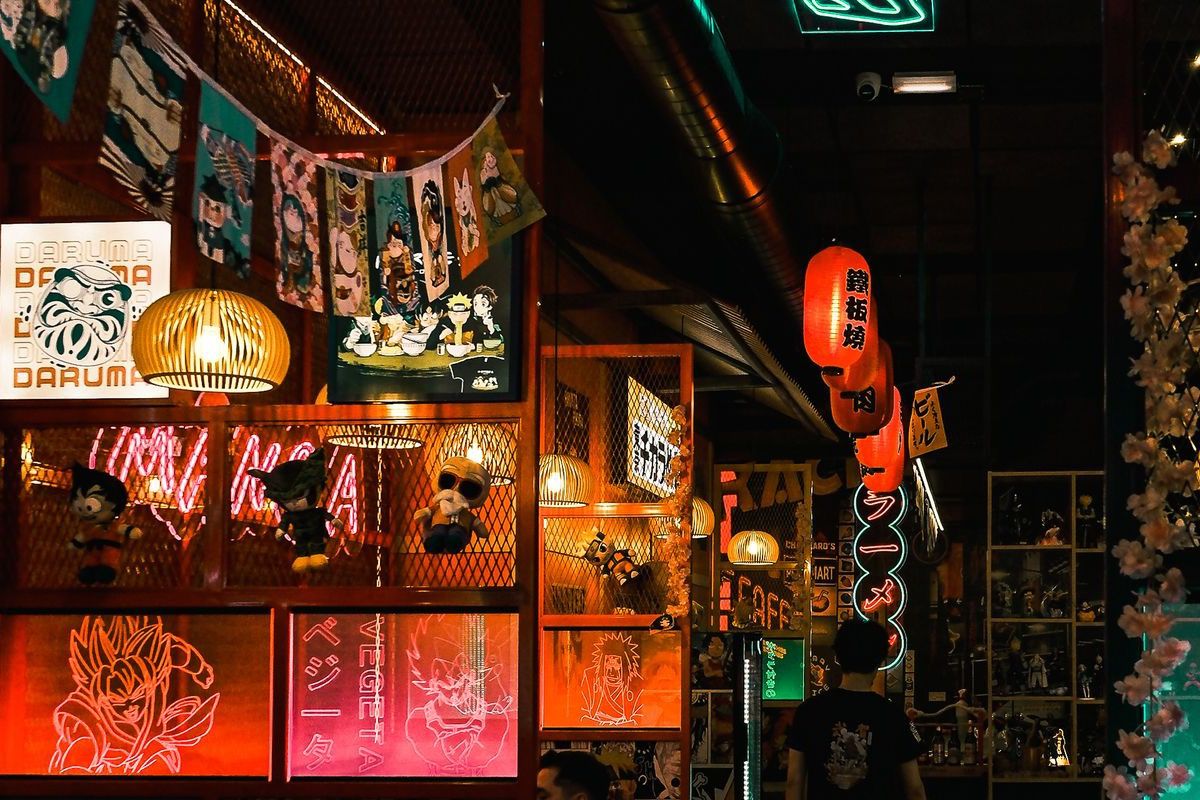
What a 24-Hour Tokyo Ramen Shop Taught Me About Digital Menus
I was standing in line at Ichiran in Shibuya at 2 AM — jet-lagged, hungry, and running on fumes. Twelve people ahead of me. In any American fast-casual spot, that line means a ten-minute wait, minimum.
But here’s what I saw: that line moved faster than any line I’ve watched in the States. Not because the kitchen was faster. Not because the staff was running. Because every single customer had already scanned a QR code and placed their order before they ever reached the counter.
No pointing at menus. No “uhhh, what’s number 7?” No fumbling with translation apps. One QR code. Thirty seconds. Done. By the time I reached the counter, my order was already in the kitchen queue.
Back in New York: The Five-Minute Paper Menu
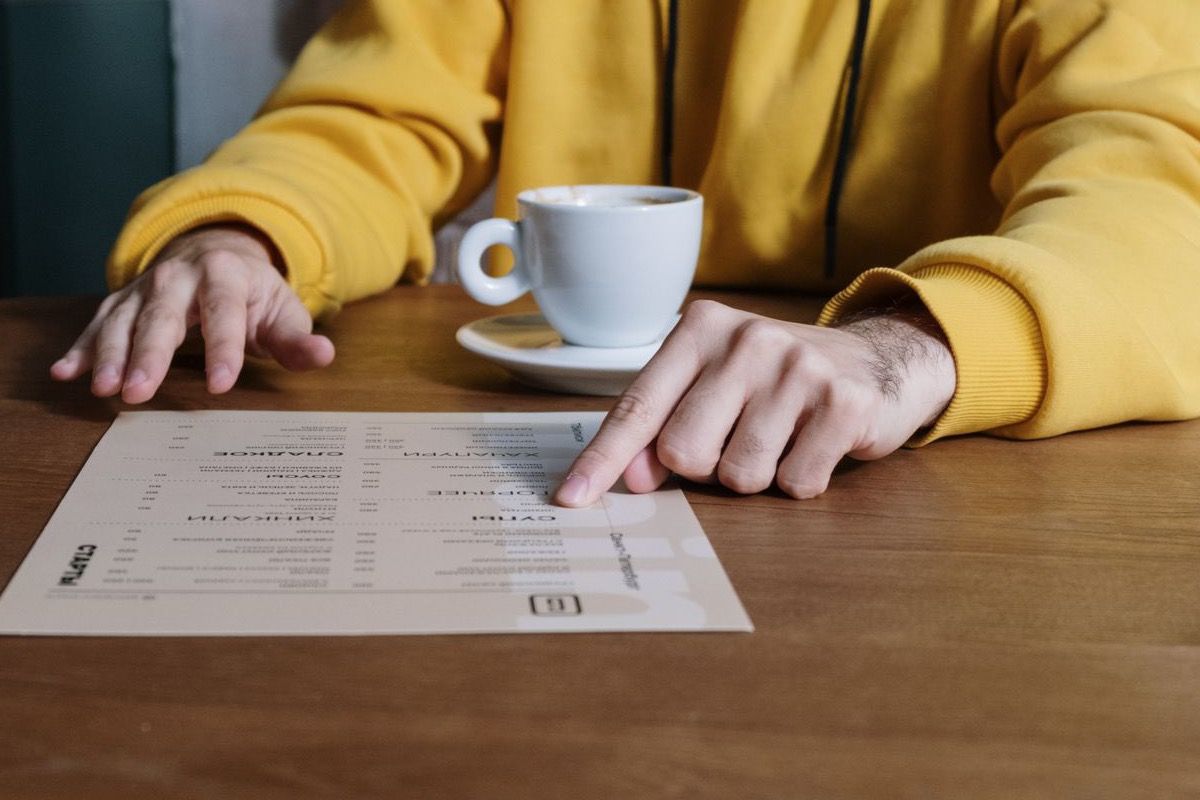
A week later, I walked into a popular ramen spot in New York. The menu was a single laminated sheet, written entirely in English — no photos, no allergen notes, no way to adjust spice levels without flagging down a busy server.
I watched a family in front of me spend five minutes on that menu. Five minutes of squinting, translating, and asking questions — while a line formed behind them. Same cuisine. Completely different experience.
The Gap Isn’t Food Quality. It’s Process.
Tokyo’s busiest restaurants don’t treat ordering as a transaction. They treat it as a system — optimized, tested, and ruthlessly efficient. Every second saved at the ordering step is a second of capacity regained.
Think about the math. A restaurant turning tables four times a night saves four minutes per table on ordering — that’s nearly an hour of seating capacity recovered every evening. Multiply that across a week, a month, and you’re not talking about convenience. You’re talking about revenue.
What Tokyo’s 2 AM Line Taught Me About Capacity
In Japan, a 30-second ordering flow isn’t aspirational — it’s the baseline. The Ichiran model is built around it: scan, customize (broth richness, spice level, noodle firmness), pay, and sit. The staff never takes an order verbally. They never have to.
That’s why a 24-hour shop can run a full counter with a skeleton crew at 2 AM. Order-taking is automated, so the team focuses on what actually matters: the food. In the US, we treat ordering as a cost of doing business. In Tokyo, they treat it as the first competitive advantage.
The QRfood Difference: Built Where This Is Standard
QRfood was built and battle-tested in exactly this environment. More than 500 restaurants across Japan already rely on it — places where a slow ordering flow isn’t tolerated, because the customers won’t tolerate it either.
That means multilingual menus, allergen and dietary markers, customization options, and payments — all handled before the customer reaches the counter. Your staff never repeats “what’s in this?” for the hundredth time. Your customers never wait to be served before they can order.
Your Customers Deserve That Baseline
You don’t need a Shibuya street corner to run a system like this. The same 30-second flow that keeps Tokyo’s 2 AM lines moving works for a ramen bar in LA, a pho shop in Houston, or a taqueria in Austin.
The gap between your restaurant and the best-run restaurants in the world isn’t food quality. It’s process. And process is something you can fix this week.
Try QRfood free at qrfood.ai. Scan. Order. Serve. Grow. Your line will thank you.