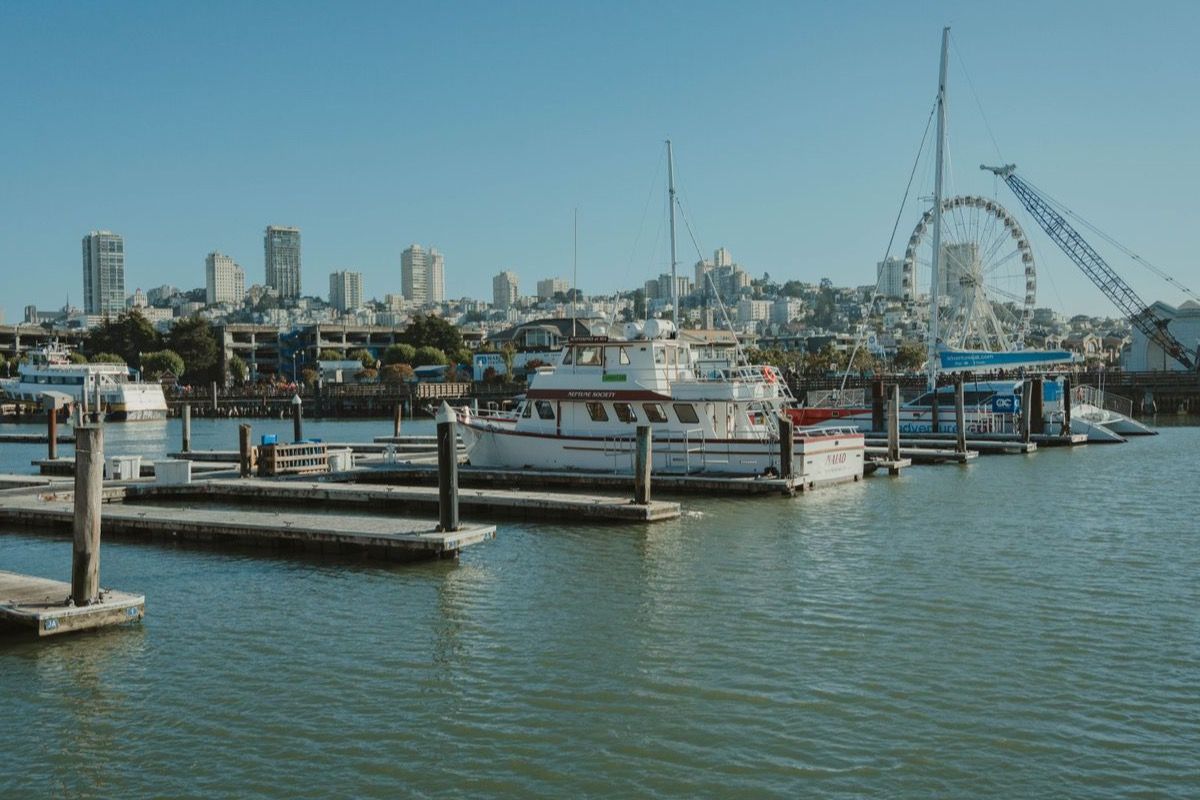
3 Languages, 1 Pier: Why Fisherman's Wharf Restaurants Can't Afford a Single-Language Menu
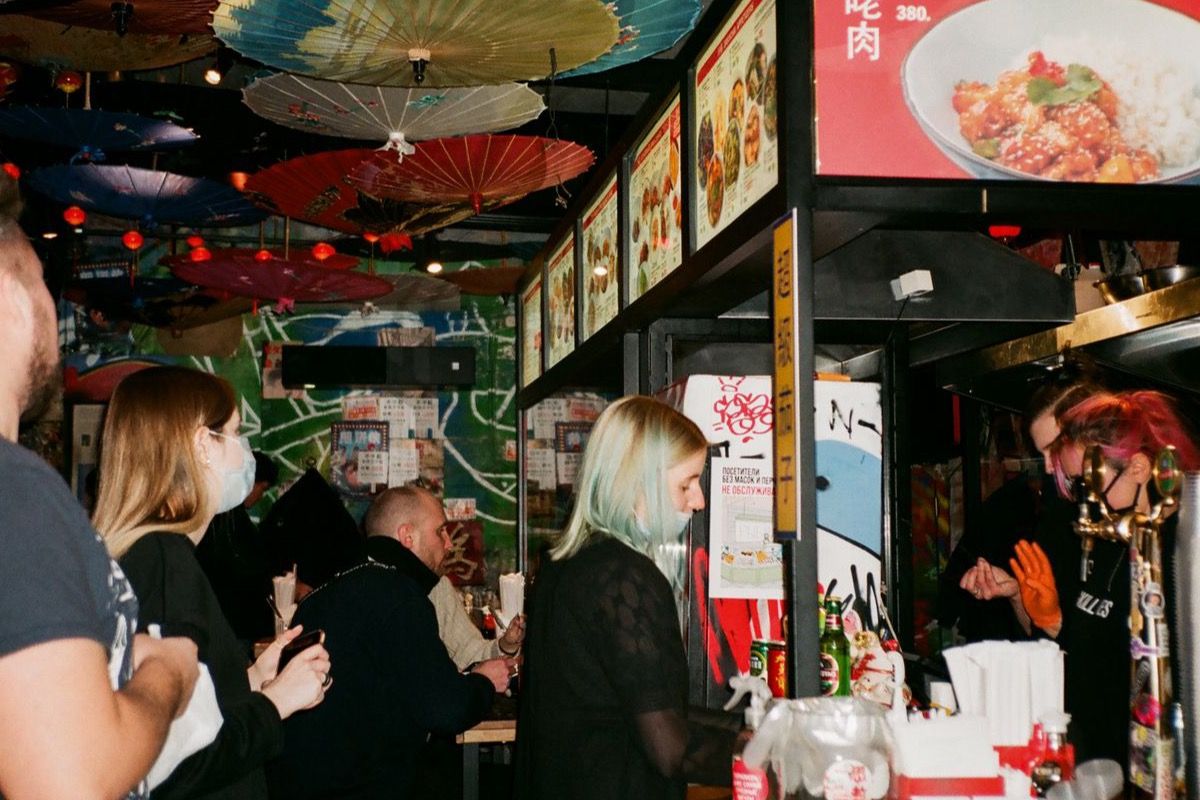
Pier 39 at noon. A Chinese tour group shuffles past your seafood joint. A German couple studies the posted menu from six feet away, squinting. Two French families argue near the entrance — half want clam chowder, half don't know what it is.
That isn't noise. That's revenue deciding whether to sit down. And right now, too much of it is walking to the next block.
Twelve Million Visitors — and More Than 40% Are Reading in a Second Language
San Francisco's Fisherman's Wharf draws 12+ million visitors a year, and over 40% of them are international tourists. Before the pandemic, Chinese tourists alone spent $3.3 billion in the Bay Area in a single peak year. Those numbers are returning — and so is the old problem: bilingual staff is expensive, printed translations go stale, and "just use Google Translate" was never a strategy.
The Math: Four Extra Minutes, Twenty Tables, Five Turns
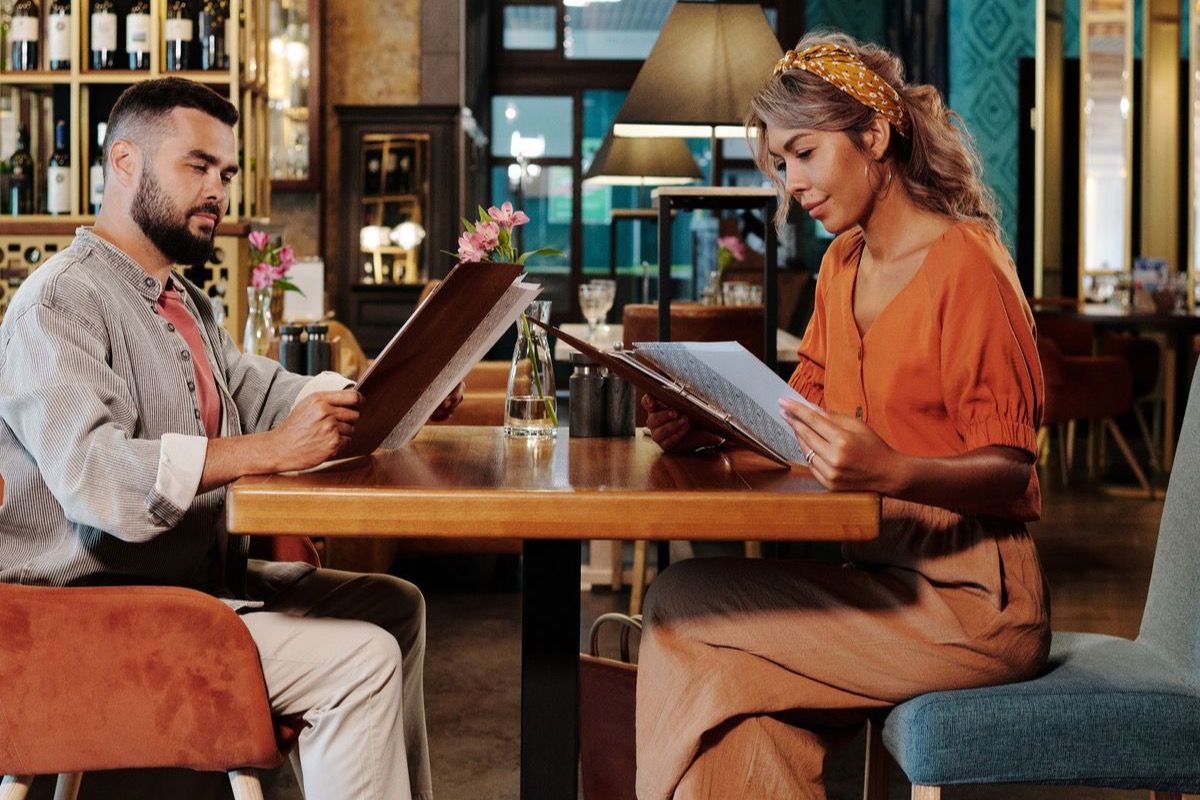
Here's the arithmetic every Wharf operator already feels but rarely writes down. Average table turn during peak season: 45 minutes. Average menu decision time for a tourist who can't read the menu: five to seven minutes — versus two to three minutes when the menu speaks their language.
That's four extra minutes per table. Multiply by twenty tables, multiply by five turns a day, and you're not losing a few minutes — you're losing a full turn cycle. Every single day, in season, one complete round of your dining room disappears into language friction.
Run it with your own covers. Twenty tables at two guests and a $50 seafood check is $2,000 sitting on a table that never gets seated. Month after month, that's the real cost of a one-language menu.
"Just Use Google Translate" Was Never a Strategy
Tourists don't come to the Wharf to wrestle with their phones. They come for Dungeness crab, clam chowder in a sourdough bowl, and a view of the sea lions. When the menu is a wall of text they can't parse, they do what humans do under uncertainty: order the safe thing, skip the extras, and eat faster than you want them to.
A guest who can read your menu orders with confidence — the cioppino in Italian, the Dungeness crab in Mandarin, the sourdough in German. Confidence is what turns a bowl of chowder into a full seafood dinner with a bottle of wine.
Nina's Crab House: The Table That Almost Walked
Nina runs a seafood spot two blocks off the pier. During a July rush, a family from Frankfurt flagged her down, pointed at the menu board, and shrugged. She did what she could — a laminated German cheat sheet from 2019 that didn't even list the current crab prices. The father smiled, ordered two chowders, and they were gone in twenty minutes. That table had been booked for ninety.
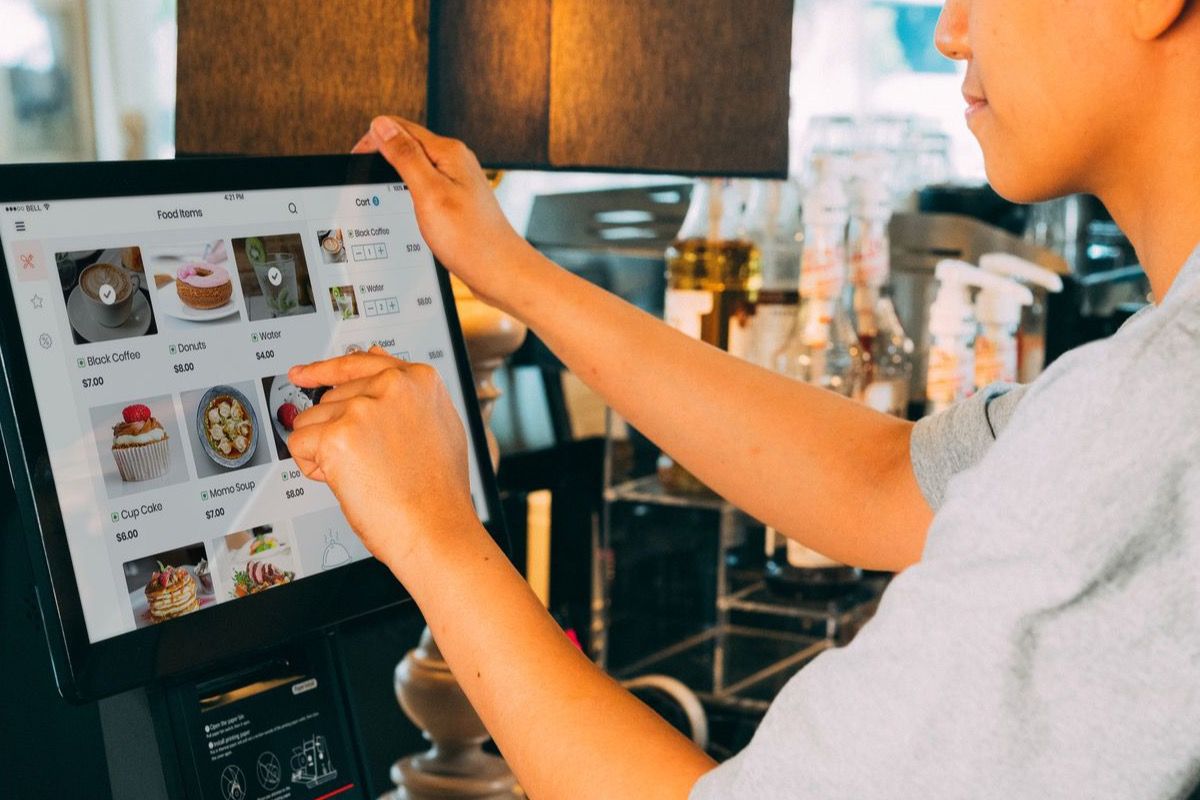
Now her menu lives on a QR code at every table and on the window. Guests scan, read in their own language, see photos and today's prices, and order without a translator in sight. The Frankfurt family's table — the one that used to shrug and leave — now stays for the full experience, desserts included.
What a 12-Language Menu Actually Does for a Wharf Restaurant
• Cuts decision time from 5–7 minutes to 2–3 minutes when the menu is readable
• Removes the need to hire bilingual staff or print translations that go stale
• Keeps Dungeness crab prices and seasonal specials current — update once, it's live everywhere
• Turns hesitant tourists into full-check guests who add appetizers, desserts, and wine
Three Minutes Before the Next Tour Bus Arrives
QRfood turns your existing menu into a 12-language ordering experience in about three minutes. No hardware. No new POS. No reprints. One QR code per table or on the window — and every guest, from Shanghai to Stuttgart to São Paulo, reads your menu in their own language.
The tourists aren't the variable. Twelve million people a year will keep coming to the Wharf. The only question is whether your menu speaks their language when they arrive.
QRfood is free to try. Your Fisherman's Wharf traffic pays for itself on day one — scan, order, and watch the tables turn.