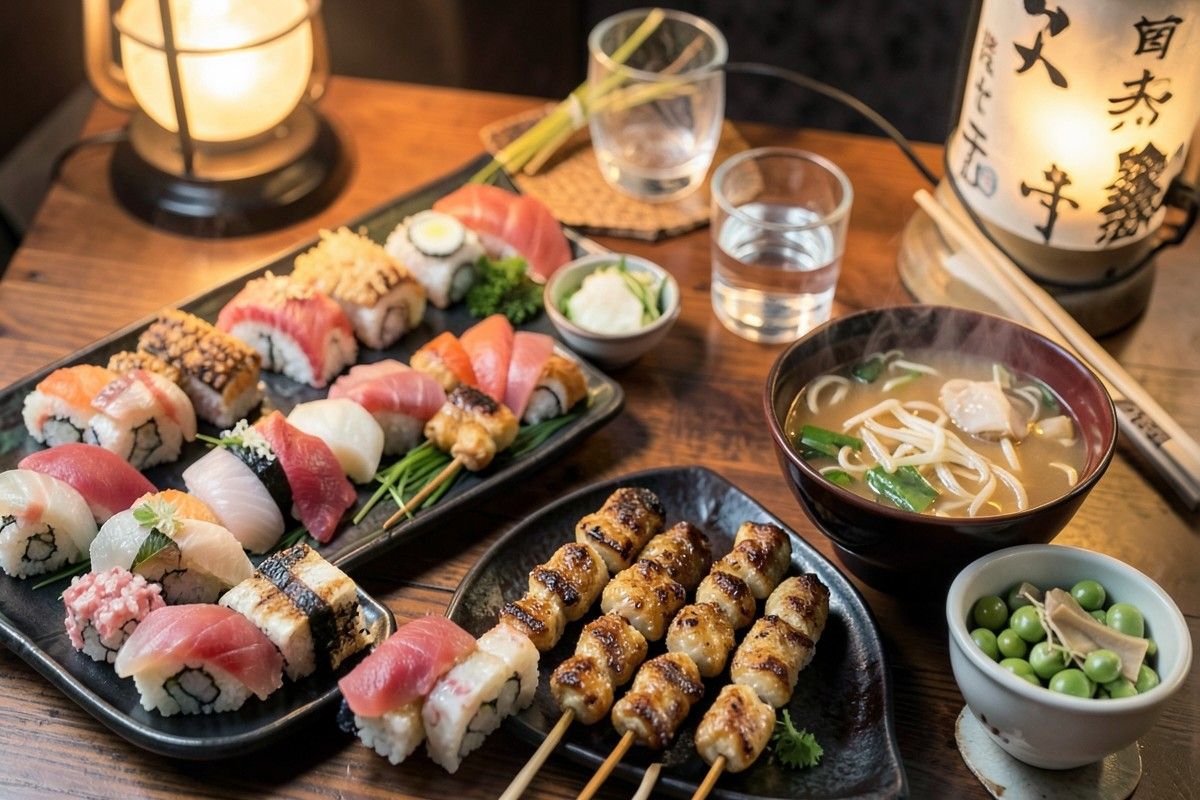
🍶 Dining in Japan Changed How I Run My Restaurant
I've owned my restaurant for 12 years. I thought I knew everything about hospitality—until last spring, when I spent three weeks eating my way through Tokyo. Thirty restaurants. Izakayas, sushi counters, one-person ramen bars, and a tiny family-run tempura place hidden on the fourth floor of an office building.
What I saw didn't just change how I eat. It changed how I run my business. Here's what dining in Japan taught me about service, efficiency, and the quiet power of a good ordering experience.
The Izakaya Where I Learned Hospitality Isn't Loud
My first night in Tokyo, a friend took me to a tiny izakaya in Shinjuku. It was packed—twenty people, a blur of chatter and clinking glasses. I expected chaos. Instead, I watched something almost choreographed.
The server greeted us, brought warm towels, and in under a minute, our drinks arrived. When we wanted to order more food, she pointed to a small QR code on the table. I scanned it, and the full menu appeared on my phone—with photos, prices, and descriptions in English. No waving hands. No waiting. No language barrier.
That moment stopped me. I run a restaurant where guests flag down servers for refills. Here, a table of four could order, add dishes, and split the bill without a single awkward conversation.
The Sushi Counter Where Every Second Was Orchestrated
The next week, I sat at a nine-seat sushi counter. The chef placed a piece of tuna in front of me, nodded, and moved on. No explanation needed—the menu had already told me what I was eating and where it came from.
Every second of that meal was intentional. The chef never stopped working. I never felt rushed. The flow was so smooth that I stopped thinking about the mechanics entirely and just enjoyed the food.
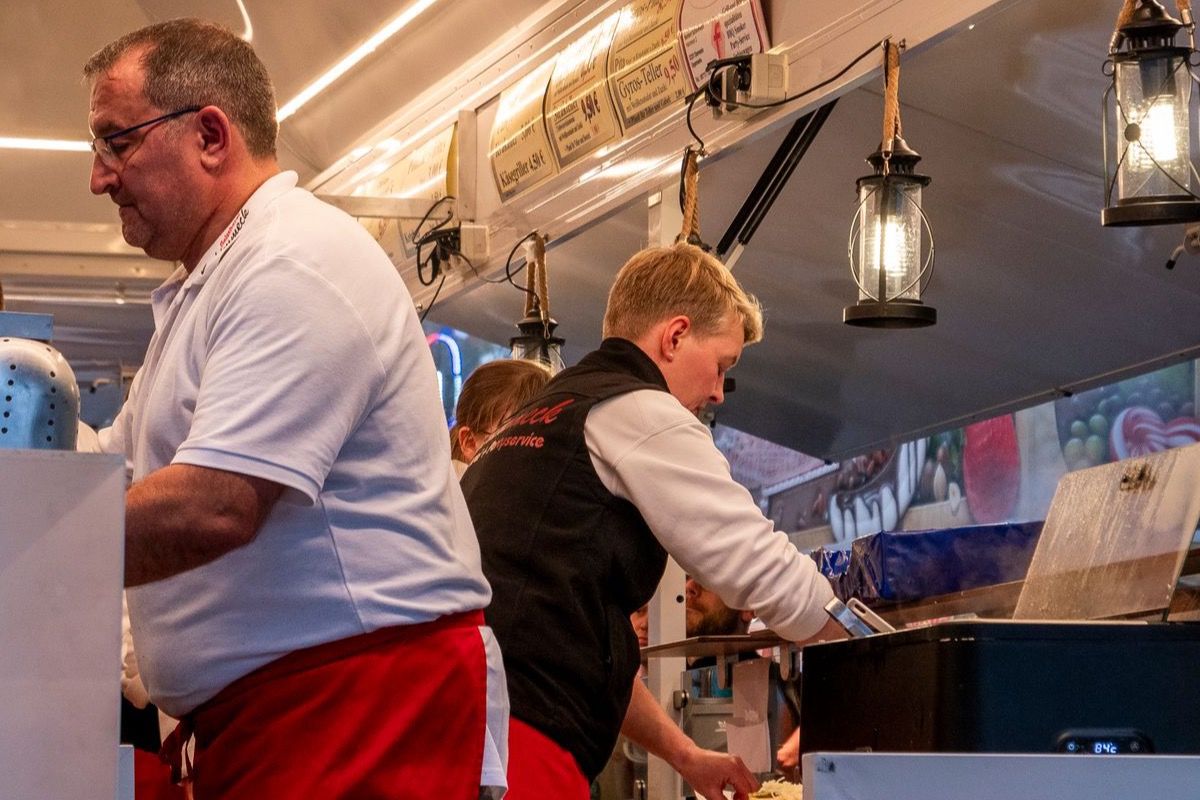
Compare that to the average night at my place: servers juggling five tables, guests waiting to catch their eye, orders shouted across the room. The food is good. The experience is chaos.
One-Person Restaurants: The Ultimate Respect for Diners
Japan has perfected the art of dining alone. I visited a solo yakiniku restaurant where each seat is a private booth with its own grill. You order by scanning a QR code at your seat. When the meat arrives, you cook it at your own pace. No small talk required.
At first it felt cold. Then I realized: this isn't anti-social. It's respect. The restaurant designed every detail so that a single diner—the shy one, the traveler, the tired office worker—could have a perfect meal without performing anything.
How many of my customers would love that option? The parents with a sleeping baby. The introvert on a first solo dinner. The tourist who doesn't speak English.
The QR Menu Moment That Hit Me
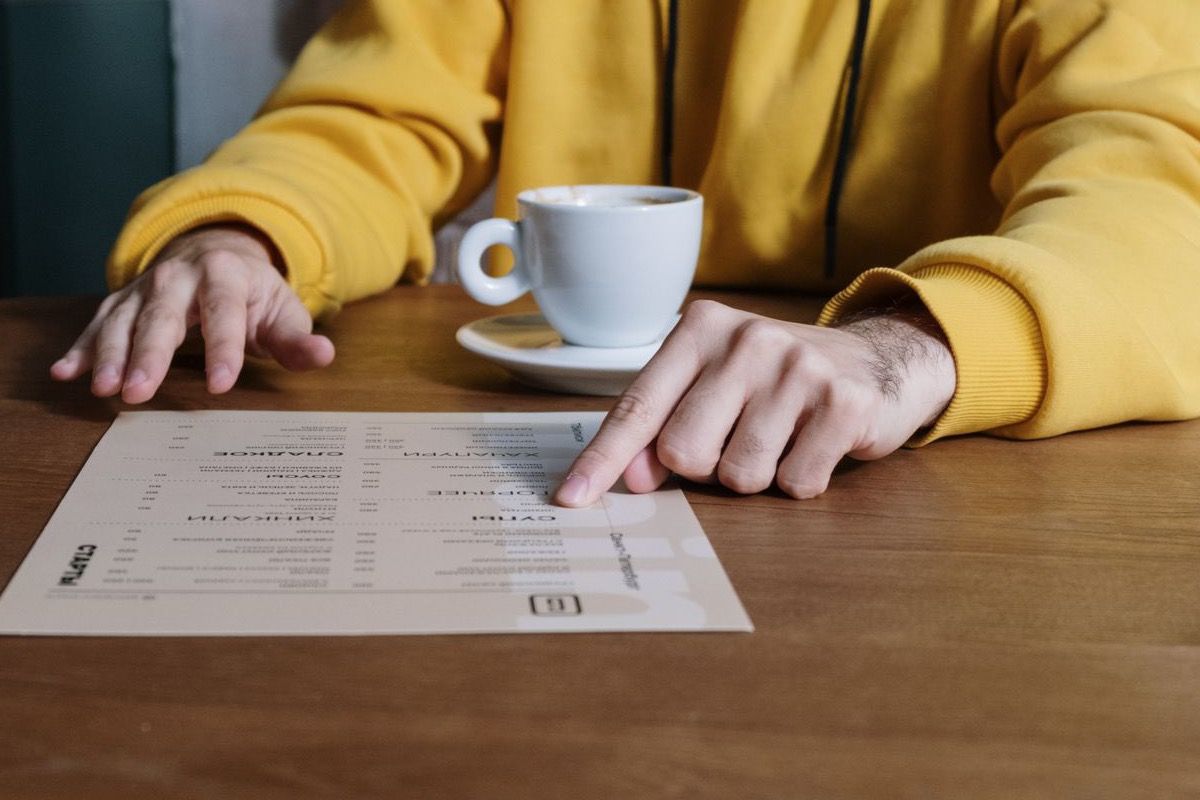
By week three, I'd scanned QR codes at nearly every restaurant I visited—izakayas, ramen bars, steak houses, even a 300-year-old soba shop. The menus appeared instantly, in my language, with photos that made me want everything.
And here's what struck me: those restaurants weren't high-tech startups. They were family businesses, decades old, using a simple tool to remove friction from the one moment that matters—ordering.
I flew home with a notebook full of ideas. Within a month, I had rebuilt my own ordering experience around three lessons.
Three Lessons I Brought Back to My Restaurant
Lesson 1: Let guests control their own pace. We added QR menus at every table. Guests browse photos and descriptions without pressure, order when ready, and add items without flagging down a server. Our average order value went up 18% in the first month—people simply saw more of what we offered.
Lesson 2: Language is a silent revenue killer. Tokyo made me realize how many potential customers walk into my restaurant, see a menu they can't fully read, and order the safe thing—or leave. Our QR menu now supports multiple languages. Tourists and international students order with confidence, and our reviews from non-native speakers have doubled.
Lesson 3: Efficiency is a form of hospitality. The sushi chef never stopped moving because every motion was planned. I stopped treating speed as the enemy of warmth. Faster ordering, clearer menus, fewer interruptions—my staff now spends more time actually serving guests and less time running back and forth.
What Your Restaurant Can Learn From a Tokyo Dinner
You don't need a renovation or a bigger kitchen to deliver a better dining experience. You need to remove friction from the moments guests actually feel:
📱 Make ordering effortless. A QR menu with photos and descriptions lets guests explore at their own pace—and order more.
🌍 Speak your guests' language. Multilingual menus turn hesitant visitors into confident regulars.
⚡ Give your staff room to serve. When ordering is self-serve, your team focuses on hospitality instead of transcription.
🍽️ Design for the solo diner. One-person seating and self-ordering aren't cold—they're the ultimate respect for your guest.
Your Tables Can Feel Like Tokyo Tonight
That izakaya in Shinjuku wasn't special because of its food—it was special because ordering felt invisible. By the time I thought about what I wanted, it was already on its way.
Your restaurant can feel like that. Not in three years. Not after a remodel. Tonight, with a QR menu that works in any language, on any device, in seconds.
At qrfood.ai, we help restaurants like yours bring that Tokyo-level ordering experience to their tables—multilingual digital menus, instant updates, and no hardware to install.
Start your free trial today. Your guests will notice. Your staff will thank you. And you'll wonder why you waited so long.
Because great hospitality isn't loud. It's invisible—like the best meals I had in Tokyo.