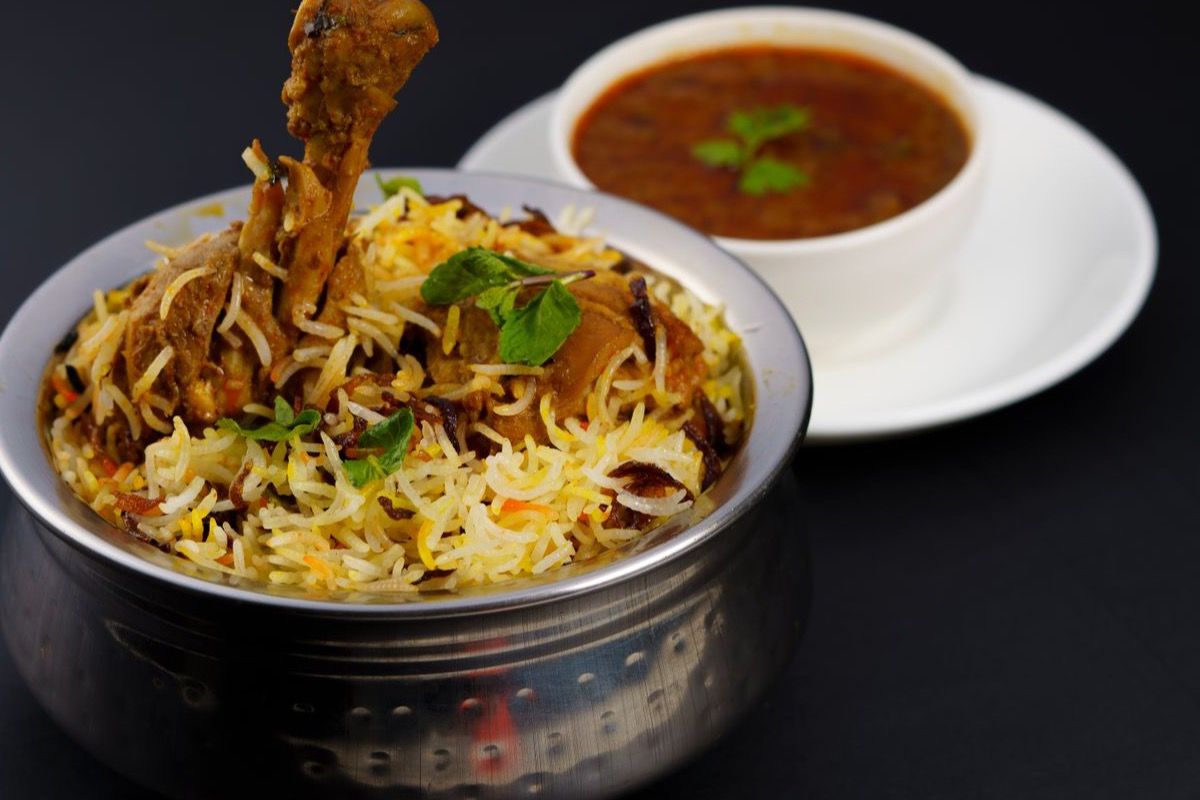
The 45% Retention Gap on Devon Avenue: What Bilingual Menus Taught Four Indian Restaurants
Saturday night on Devon Avenue in Chicago smells like cardamom, sizzling ghee, and fresh naan pulling from the tandoor. The street — the heart of the city's Indian community — draws food lovers from Lincoln Park to Naperville. But last year, while studying foot traffic patterns at four Indian restaurants here, I found a story most owners would rather not hear.
Two of those restaurants run full English-Hindi bilingual menus. The other two are Hindi-only. Same street. Same neighborhood. Same incredible food. The difference in repeat business was anything but small.
The Numbers That Stopped Me
Among non-Indian customers, the two restaurants with bilingual menus posted a repeat-visit rate of 62%. The two with Hindi-only menus? 17%.
A 45-percentage-point gap in retention — on the same block, serving the same cuisine. That's not a difference in cooking. That's a difference in communication.
And it's not an isolated Chicago quirk. The Chicago Food & Dining Survey (2023) found that 71% of non-Indian diners said they "wanted to try Indian food more often" but felt "overwhelmed by unfamiliar menu items."
Not by the food. By the menu.
"Bhuna" Means Nothing to a First-Timer from Rogers Park
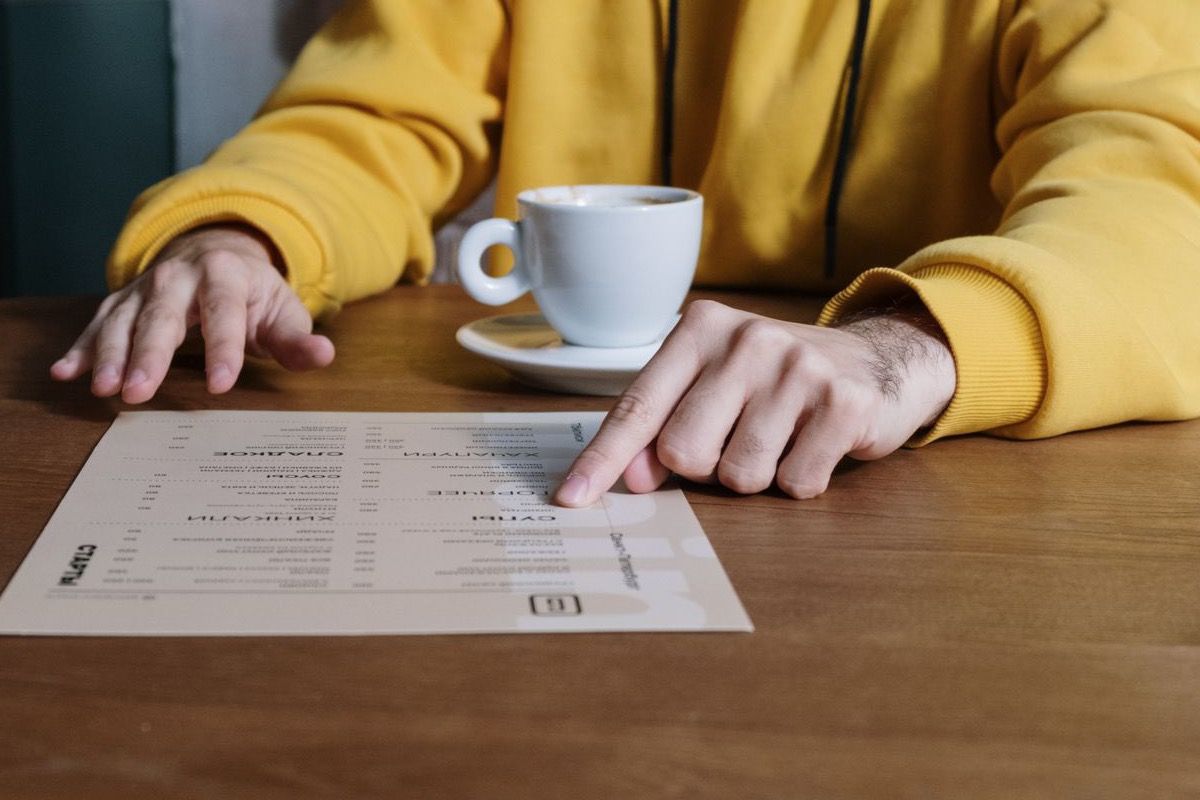
Here's what that looks like in real life. A couple walks in from Rogers Park. They've heard Devon is the place. They're excited. Then they open the menu: bhuna, dhansak, vindaloo, jalfrezi. No descriptions. No translations.
What happens next is predictable: they order butter chicken and naan — again — because those are the only two things they recognize. They enjoy it. But they don't come back, because they never felt like they actually experienced Indian food. They just ate chicken in sauce.
Repeat that pattern across a thousand first-timers, and you get exactly the 17% retention number. It was never about the food. It was about the fear of ordering something you can't pronounce.
What the Bilingual Restaurants Did Differently
The two restaurants winning at 62% retention didn't change their recipes. They changed their menus: English name + Hindi name + a two-sentence description + a photo.
That's it. No classes for the staff. No culinary education program for customers. Just clarity.
The results showed up fast. First-timers started ordering Hyderabadi biryani and Goan fish curry instead of defaulting to butter chicken. Average ticket went up. Repeat visits went up. The owners told me the same thing in different words: "People can't love what they can't understand."
When a customer can picture a dish — see the saffron rice, the heat level, the story behind it — they stop playing it safe. And playing it safe is what kills retention.
Retention Is the Cheapest Growth You'll Ever Find
Restaurant marketing budgets chase new customers because new customers are visible — ads, influencers, foot traffic. But retention is where the money actually lives.
A 45-point gap in repeat visits is worth more than any billboard. Repeat customers order more, complain less, and bring friends. On Devon Avenue, the only difference between a 17% restaurant and a 62% restaurant was a menu people could actually read.
What This Means for Your Restaurant
You don't need to be on Devon Avenue for this lesson to apply. If your menu assumes your customer already knows your cuisine, you're paying for their confusion in lost repeat business.
The fix is simpler than most owners think:
• Write every dish in the customer's language, not just the kitchen's.
• Add a two-sentence description — what it is, how it tastes, what's in it.
• Show a photo. People order what they can picture.
• Do it in multiple languages if your neighborhood has them.
That last one is where QRfood comes in. Upload your menu once, and QRfood automatically translates and formats it for 10+ languages. Each table's QR code opens the menu in the language that customer prefers. No paper. No reprinting. No confusion.
Your tandoori chicken deserves to be discovered. Your biryani deserves more than a 17% return rate.
The restaurants on Devon Avenue that bridged the language gap didn't get luckier — they got clearer.
Get started free at qrfood.ai. Your menu, in every language your customers speak.