Pierogi and the Language Gap: What Chicago's Polish Diners Are Losing in Translation
Saturday, 6:40 p.m., Belmont Avenue. The dining room is half full: wood paneling, a laminated photo of John Paul II near the register, a glass case of paczki that will be empty by eight. Four customers in their late twenties sit down. They order pierogi, kielbasa, and potato pancakes. They split one order of each and drink water.
The owner — third generation, her grandparents signed the lease in 1972 — watches them from behind the bar and does the math she has done a thousand times. Forty-four other dishes on that menu. Not one of them ordered any of it.
“The menu is still Polish first, English second,” she told me. “My non-Polish customers order the same three things. Pierogi, kielbasa, potato pancakes. They don't know we have 47 other items. Some of them have been coming for years and they still don't know what bigos is.”
Chicago Is Still the Largest Polish City Outside Poland
Roughly 800,000 people of Polish descent live in the Chicago metropolitan area. Polish is consistently the third most spoken language in the city, behind English and Spanish. The Polish consulate, the parish halls, the delis on Milwaukee Avenue — this is not a heritage exhibit. It is a living food culture with a customer base that is aging out of its dining room.
Avondale and Jefferson Park, where most of these diners sit, have changed faster than any neighborhood on the North Side. The new residents are younger, more diverse, and genuinely curious about the food. They walk past a menu that was written for someone who already knows.
A Menu Is a Contract With the People Who Already Understand It
That menu was not badly written. It was written in 1972, for a Polish-speaking neighborhood, by people who assumed every reader knew what żurek was and why it costs more than the soup of the day.
For insiders, a name is enough. The word “bigos” carries the smell of a grandmother's kitchen, a January afternoon, a specific kind of hunger. For everyone else, it carries nothing at all. Forty-seven unfamiliar words in a column produce exactly one behavior: order the safest thing on the page and get out.
This is not a translation problem. Machine translation would produce “hunter's stew” for bigos and “sour rye soup” for żurek, and a first-timer still would not know whether they want either one. It is an information problem. Nobody has told them what the dish is, how it is cooked, or when to order it.
The Four Dollars Sitting on Every Table
Here is the arithmetic that made the owner redesign her menu. A Polish regular at this diner spends about $27: soup, an entrée, a beer, sometimes dessert. A first-timer at the same table spends about $20 — one entrée from the safe three, a soda, no appetizer, no dessert, because they cannot identify anything else and do not want to waste money on a guess.
On a Friday, roughly a third of her 90 covers are non-Polish. That is 30 tables. Thirty tables times a $7 gap is $210 a night, five nights a week, roughly $4,500 a month. And that number only counts the money that walks in. It says nothing about the second visit that never happens.
She was not losing customers to a competitor. She was losing them to a menu she had inherited and never questioned.
What “Polish Food 101” Actually Looks Like
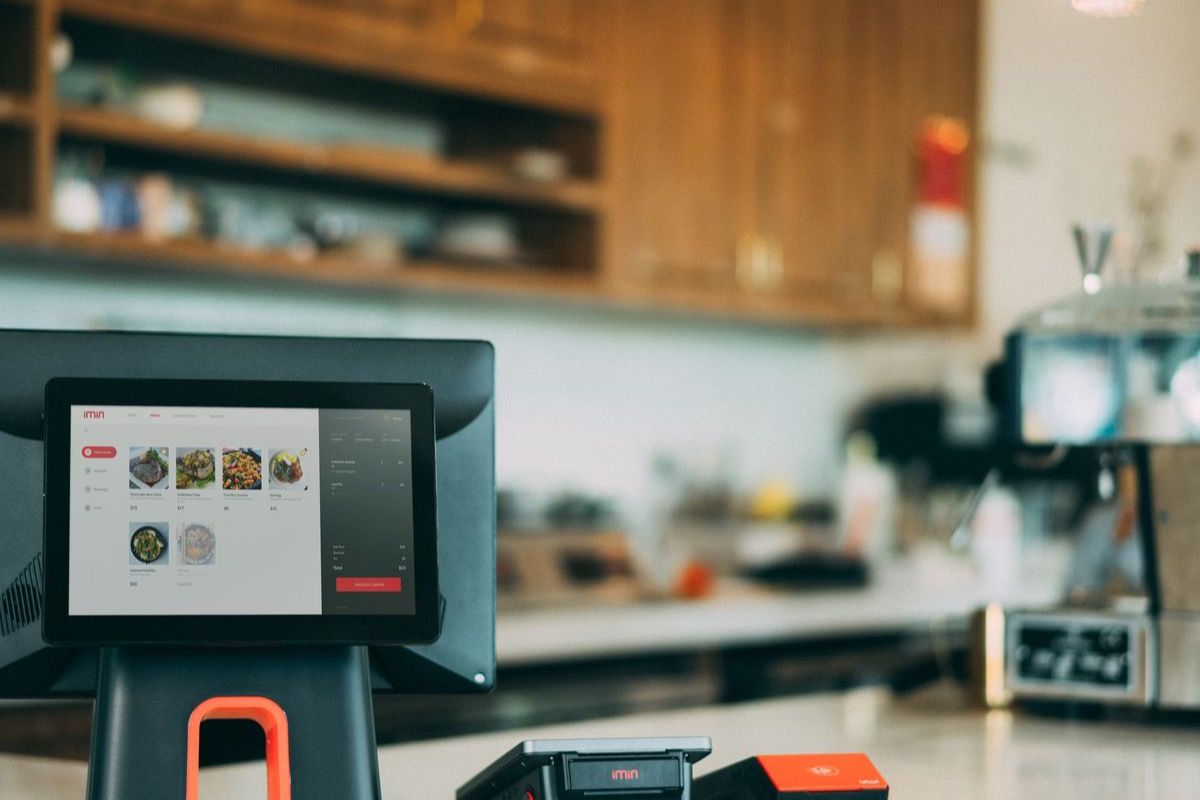
In March she added a QR code on every table, linked to a digital menu with English descriptions and a short section at the top labeled “First time here? Start with these five.” These are real lines from that menu:
Bigos — hunter's stew. Sauerkraut and fresh cabbage slow-braised with pork, beef, smoked kielbasa, dried mushrooms, and prunes. Sweet, sour, deep. Better on the second day, which is why we make it on Tuesday.
Żurek — sour rye soup. A fermented rye starter, white sausage, potato, hard-boiled egg, served in a bread bowl. Tangy and creamy. This is what regulars order in January.
Gołąbki — cabbage rolls. Ground pork and rice wrapped in blanched cabbage leaves, baked in tomato sauce. Order it if you want the thing your grandmother would have made if your grandmother were Polish.
Placki ziemniaczane — potato pancakes. Grated potato, onion, egg, pan-fried until the edges go crisp. Served with sour cream, or under goulash if you are serious.
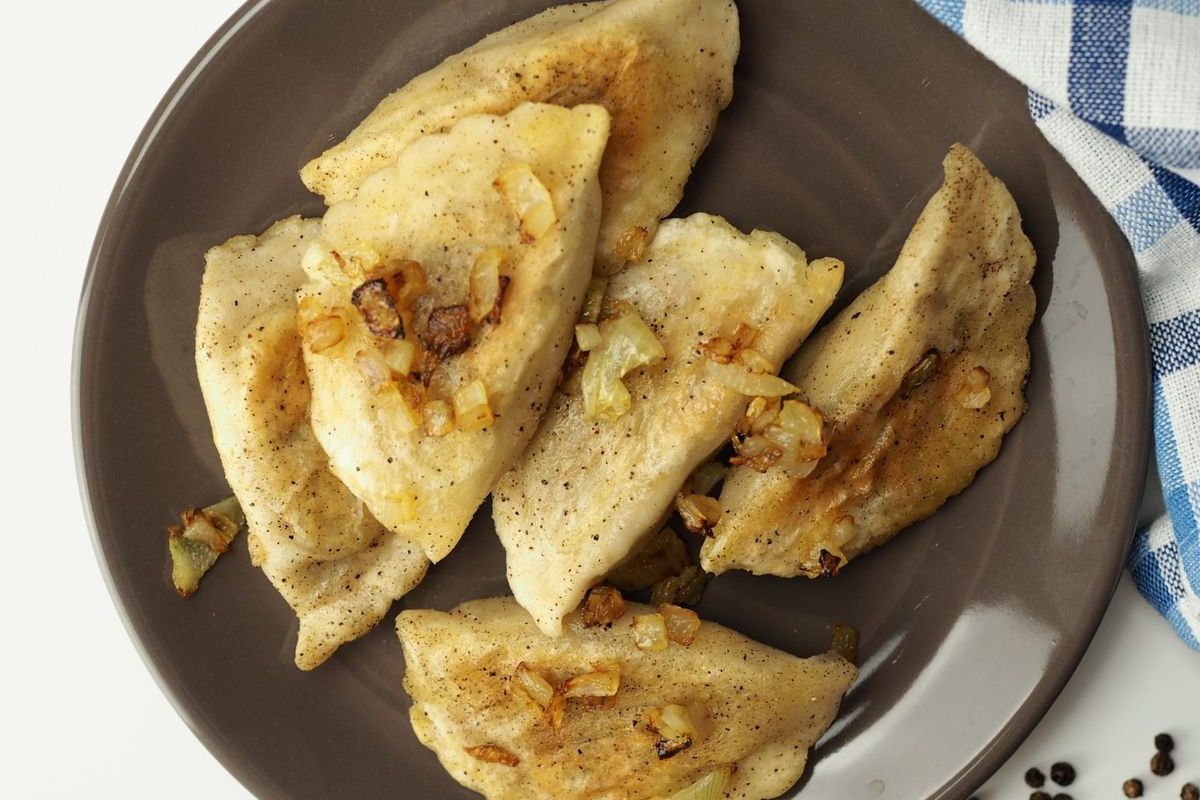
Pierogi ruskie — potato and farmer's cheese with caramelized onion and butter. Different from the meat pierogi most people order first. This is the one we argue about.
Kopytka — potato dumplings, the Polish cousin of gnocchi, tossed in browned butter and breadcrumbs. A side dish that quietly becomes the reason people come back.
Śledź — pickled herring with oil, onion, and a slice of rye. The appetizer that sells the second beer.
Makowiec — poppy seed roll, thin layers, faintly sweet, served with coffee at the end of the meal. Yes, you want it.
Read those again and notice what is not there. No attempts at poetry. No apologizing for unfamiliar ingredients. No “traditional Polish dumplings” — a phrase that tells a stranger nothing and insults the dish. Every line answers three questions in twenty-five words: what is it, how is it made, when should I order it.
Keep the Polish Name First
The design rule she insisted on is the one most restaurants get wrong. Never replace the name. Always add to it. Pierogi stays pierogi, in the same size type as the price, with the English description underneath in smaller, quieter text.
There are two reasons. The first is respect: the name is the heritage, and swapping it for “dumplings” erases a few hundred years of a specific regional cuisine that survived partition, war, and emigration to end up on a laminated card on Belmont Avenue.
The second is practical. The name is what people search, what they photograph, and what they repeat to a friend on Monday. “We had pierogi” travels. “We had dumplings” does not.
One QR Code, Three Languages, Twenty Days
The rollout took an afternoon. Table tents printed at a shop on Elston, one QR code per table rather than one sign by the door — people scan what is in front of their hands, not what is ten feet away. The menu is edited from a phone when the kitchen runs out of something, which means the 86 list and the guest-facing menu stopped disagreeing with each other.
Twenty days later she pulled the numbers. Tables that self-identified as first-timers ordered outside the safe three 41% of the time, up from about 12%. Their average check went from $20 to $26.40. Dessert attachment on those tables went from 8% to 22%. Three Google reviews in that window mentioned bigos by name.
Nothing about the food changed. The kitchen did not get faster, the prices did not move, no ad was bought. She described the dishes she had been cooking for thirty years.
Her servers also got a script — six words, not a pitch. “Have you had Polish food before?” If the answer is no, they point at the QR code and say the bigos is her grandmother's recipe. That is the entire training.
The Second Language Nobody Planned For
Avondale has been a Latino neighborhood as long as it has been a Polish one. Puerto Rican and Mexican families have lived within three blocks of this diner for decades; some of them have never eaten inside it, for the same reason the new renters had not.
And since 2022, the parish has welcomed Ukrainian families. Here the cuisine does part of the work for free: varenyky and pierogi are cousins, and a Ukrainian guest recognizes half the menu on sight.
In week four she added Spanish and Ukrainian to the digital menu. Marginal cost: close to zero. Weekday lunch traffic from local workers went up enough that she now keeps bigos in the steam table on Wednesdays, which she had never done before.
This is the part most operators miss. A multilingual menu is not a tourist feature you bolt on for convention season. It is a neighborhood feature. Your neighbors speak it.
Every Chicago Enclave Reaches This Same Fork
Devon Avenue. Pilsen. Argyle Street. Chinatown. Little Italy, or what is left of it. Every immigrant food corridor in this city hits the same inflection point: the founding generation gets older, the neighborhood turns over, and the menu stays frozen in the year the restaurant opened.
The restaurants that survive the transition do one thing in common. They explain themselves without apologizing for themselves. They keep the names, keep the recipes, keep the room — and put a handle on the outside of the door.
The ones that close are rarely beaten on quality. They are beaten on legibility. A family that cannot read your menu is not going to spend four years learning it. They are going to walk two blocks to the place that told them what was in the pot.
The Uncomfortable Objection
“If they want to know, they'll ask.” Some do. Most do not. Asking a question about food requires a kind of social confidence that a lot of people do not have on a first visit, especially when the room is full of regulars speaking a language they do not speak.
So they order the pierogi, they enjoy it, they leave, and they never find out about the żurek. You never learn why they did not come back, because they were polite about it. Silent churn almost never shows up in a complaint. It shows up in a flat Tuesday.
What to Do Monday Morning
1. Count how many of your dishes a first-timer could describe without help. At most restaurants the honest answer is under 10%.
2. Pick the twelve items you most want to sell — the ones with the best margin and the strongest story, not the ones that already sell themselves.
3. Write twenty-five words for each: what it is, how it is made, when to order it. No adjectives you would not say out loud.
4. Keep the original name above the description, in the original language, at full size.
5. Add a three-sentence “First time here?” note at the top of the digital menu. Orientation beats persuasion.
6. Put one QR code on every table, not one by the door.
7. Train the greeting, not the pitch. One question: “Have you had this food before?”
The Room Was Never the Problem
Basia's grandparents built that room. Her father kept it through two recessions and a block that emptied and filled twice. She is not trying to turn it into something else. She is trying to make the door open from the outside.
The pierogi did not need a rebrand. The bigos did not need a smaller portion and a swoosh of sauce. They needed twenty-five words of plain English and someone willing to write them down.
That is the whole trick, and it is available to any restaurant on any block in this city: describe the food you already cook, in the language your neighbors already read.
QRfood is free to start at qrfood.ai. Four languages, real-time updates, no per-location fees. Keep your Polish names exactly where they belong — at the top of the menu — and put the explanation underneath, where a stranger can find it.