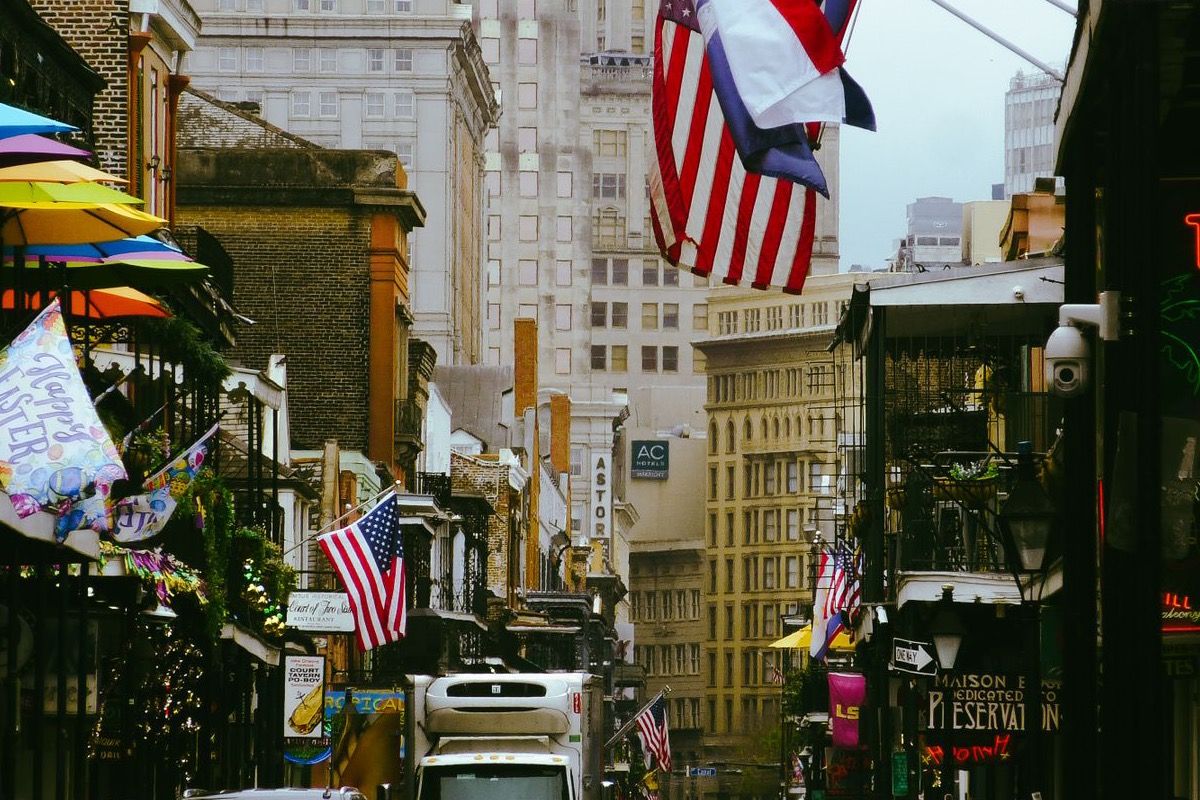
Bourbon Street's Menu Problem: 18 Million Tourists, One Chalkboard
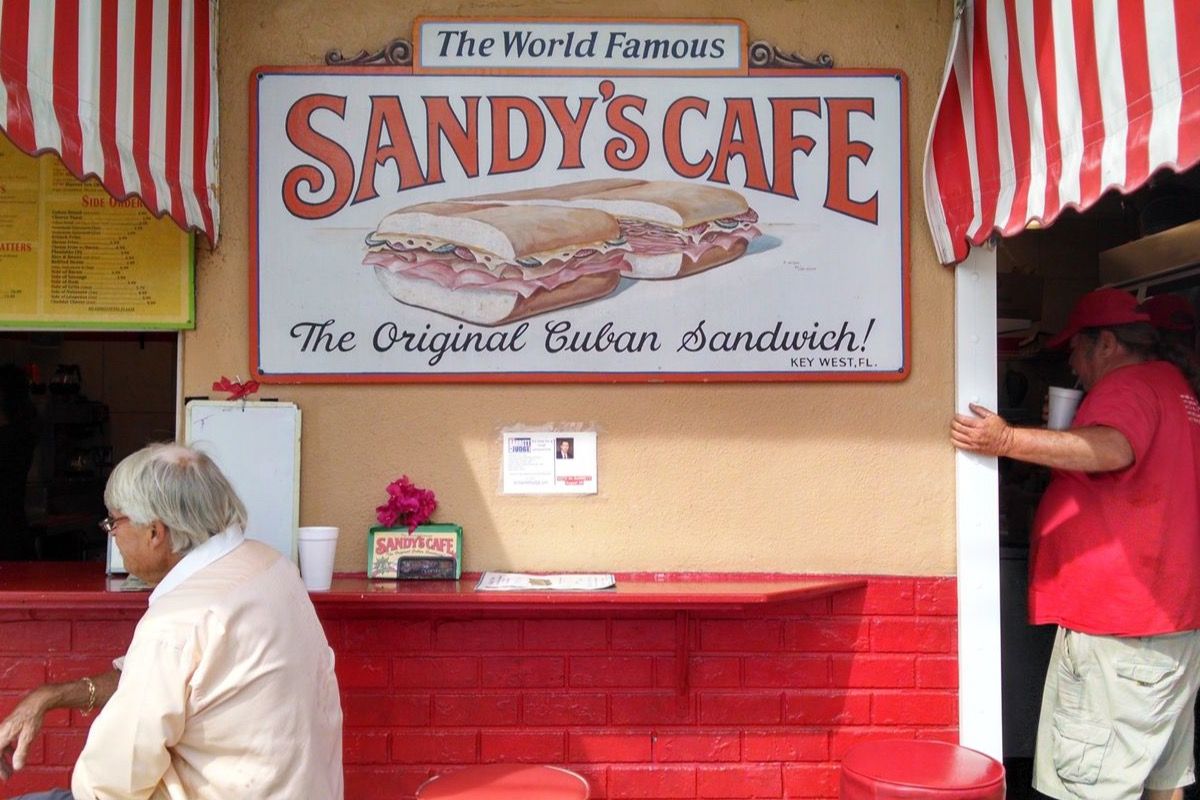
I spent a Friday night in July standing at the door of a po'boy shop on Bourbon Street, watching the same thing happen every four minutes. A group of Australian backpackers stopped ten feet from the chalkboard, squinted at it, took one photo, and walked on. A family from Osaka stood at the counter, pointed at a word they could not pronounce, then pointed at the safest thing on the board instead. A couple from Quebec tried their high school French on the line that said "gumbo ya ya" and got no closer to understanding it.
Nobody was rude. Nobody complained. They just left, or ordered small. And the owner, a man named Danny who has been frying oysters on that block for nineteen years, watched a full dining room's worth of revenue walk back out onto the sidewalk.
18 Million Visitors, and a Menu Written for Regulars
The French Quarter draws more than 18 million visitors a year. Before the pandemic, roughly a quarter of them came from outside the United States — Germany, France, Japan, Brazil, Canada, Korea, Australia. Bourbon Street runs one of the highest tourist-to-local ratios of any commercial strip in America.
And yet the menu on the wall was written for a regular. It assumed you already knew what debris means, what it means for a sandwich to be dressed, and why anyone would order something called gumbo ya ya. That is a perfectly good menu for the 30 percent of customers who live six blocks away. It is a locked door for the other 70 percent.
The Food Is World-Famous. The Menu Is the Wall.
Here is the irony of New Orleans: the city has one of the most beloved and distinctive cuisines in the country, and some of the least accessible menus for people visiting it for the first time. Gumbo. Beignets. Étouffée. Muffuletta. Chargrilled oysters. Pralines. These are exactly the dishes international visitors fly here to eat.
But the vocabulary is local shorthand. "Debris" reads like garbage to a visitor, even though it is the rich shredded beef that falls into the gravy. "Dressed" means lettuce, tomato, pickles and mayonnaise — a Louisiana po'boy convention nobody explains. "Gumbo ya ya" is a chicken-and-sausage gumbo, not a party. To someone from Munich or Seoul, these are not descriptions. They are codes.
What Tourists Order When They Cannot Read the Menu
They order the safest item on the board. A burger. Fries. Chicken tenders. Or they order the one dish they recognize from a photo they saw on Instagram, whether or not the kitchen is proud of it.
That decision costs you three things at once. The check is smaller, because nobody adds an appetizer they cannot identify, a cocktail they cannot pronounce, or a dessert they have never heard of. The line moves slower, because the guest holds up the queue asking what four dishes are. And the review three days later says something like: "Food was excellent, but we weren't really sure what to order."
That review sits on your Google profile for years, in front of every traveler who reads reviews before choosing where to eat in a city with a thousand restaurants.
The Ten-Foot Problem
Most of the failure happens at a distance. The chalkboard is ten feet behind the door. The handwriting is small. There are no photos. At 9 p.m. with a line down the block and a band playing next door, no visitor has ninety seconds to decode a regional dialect.
The fix is not a bigger chalkboard. It is putting the menu in the guest's hand, in the guest's language, at the moment they are deciding.
A Translation Layer, Not a Translation
Word-for-word translation is not enough. "Muffuletta" translated into Japanese is still a mystery. What a visitor needs is what is in it, how big it is, how spicy it is, whether it contains pork or shellfish, and what it looks like. A photo does more selling than a paragraph.
That is what a QR code menu does well. One sticker at the door, on the table, or on the window. The guest scans, the menu opens in their own language with descriptions, photos and prices, and they order the thing they actually wanted instead of the thing they could pronounce.
Setting it up is genuinely a three-minute job: log into the dashboard, enter your dishes once, switch on the languages, print the code. No reprinting when you change a price, no fourth laminated menu falling apart behind the register, no waiting on a translator for the new special.
The Math on a Friday Night
Take a mid-sized Quarter restaurant doing 120 covers on a Friday. If 40 percent are visitors, that is 48 guests. Suppose a third of them currently order the minimum because the menu is opaque — 16 covers. If a readable menu with photos adds one appetizer and one drink to half of those tables, that is about $9 more per cover, or roughly $144 on a single night.
Multiply across a weekend and a season and you are talking about $30,000 a year in revenue that was already standing in your doorway. You did not buy new traffic. You stopped losing the traffic you had.
Three Things to Do Before Next Weekend
Step 1: Write the menu so it explains, not decorates. Every dish gets one line a stranger can understand: "slow-cooked shredded beef in rich gravy over french bread" instead of "debris." Keep the local name, add the explanation underneath.
Step 2: Turn on languages. Spanish, French, German, Portuguese, Japanese, Chinese, Korean, Italian. Then personally review the ten dishes that define your kitchen — the gumbo, the muffuletta, the oysters — because those translations carry your reputation.
Step 3: Put the code where the decision happens, and give your staff one sentence. At the door. On the table tent. On the window next to the chalkboard. "Scan here and the menu opens in your language." That sentence changes the tone of the entire greeting.
What Actually Changes
📈 Average check rises, because guests order the appetizer and the cocktail once they understand them.
⏱️ The line moves faster, because fewer people hold up the counter asking what four dishes are.
⭐ Reviews start mentioning the menu instead of apologizing for it.
🌍 International guests come back on the second night of their trip, which is the highest-value repeat visit in tourism.
The Point
New Orleans does not have a food problem. It has a translation problem. The gumbo is already world-class; the guest simply cannot tell what is in the bowl from six feet away in a language they do not read.
QRfood.ai puts your menu in 12+ languages with descriptions and photos, on a QR code you can print this afternoon. Three-minute setup, zero printing, and every visitor orders like a regular.