The 96-Minute Problem Hiding Behind Every Bar Tab
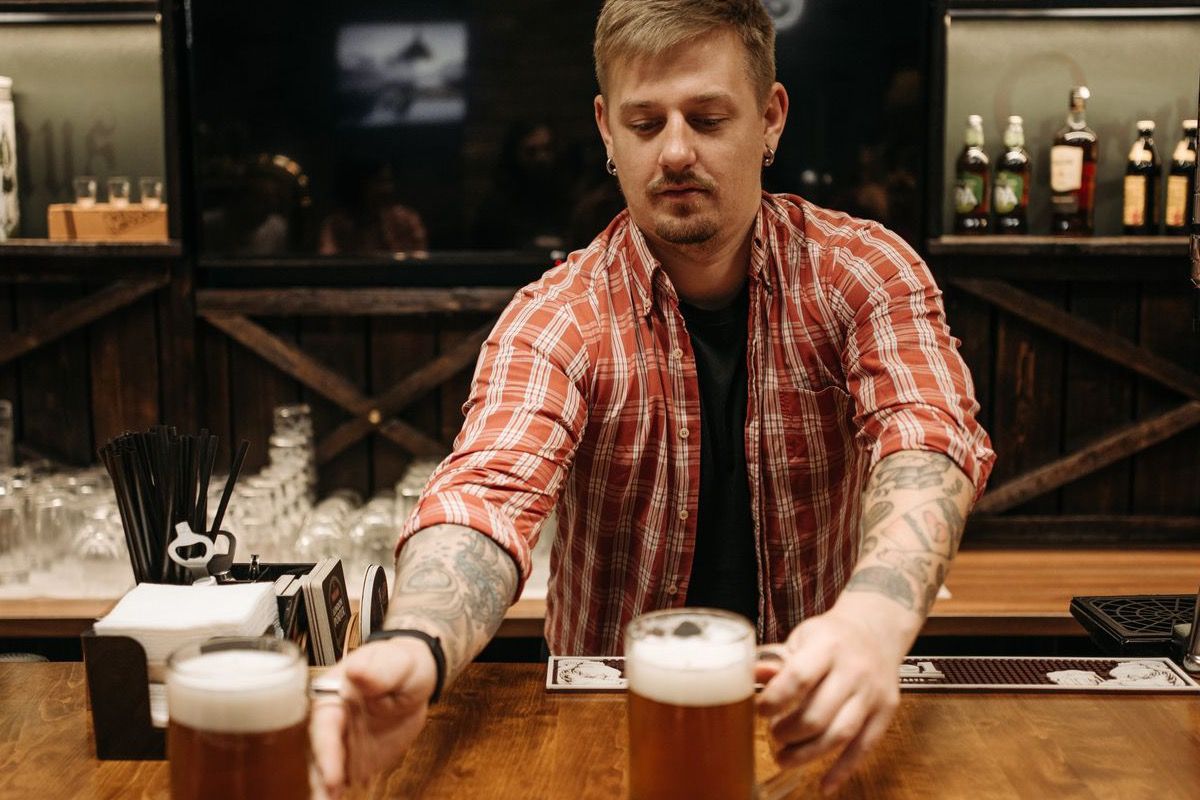
It is 9:40 on a Friday night in Asheville, North Carolina. Forty taps, every stool taken, six people standing behind them. The bartender has been at this bar for eleven years. She knows which IPA is drinking best this week, which stout a lager drinker will actually like, and exactly how to keep a full bar from turning into a queue.
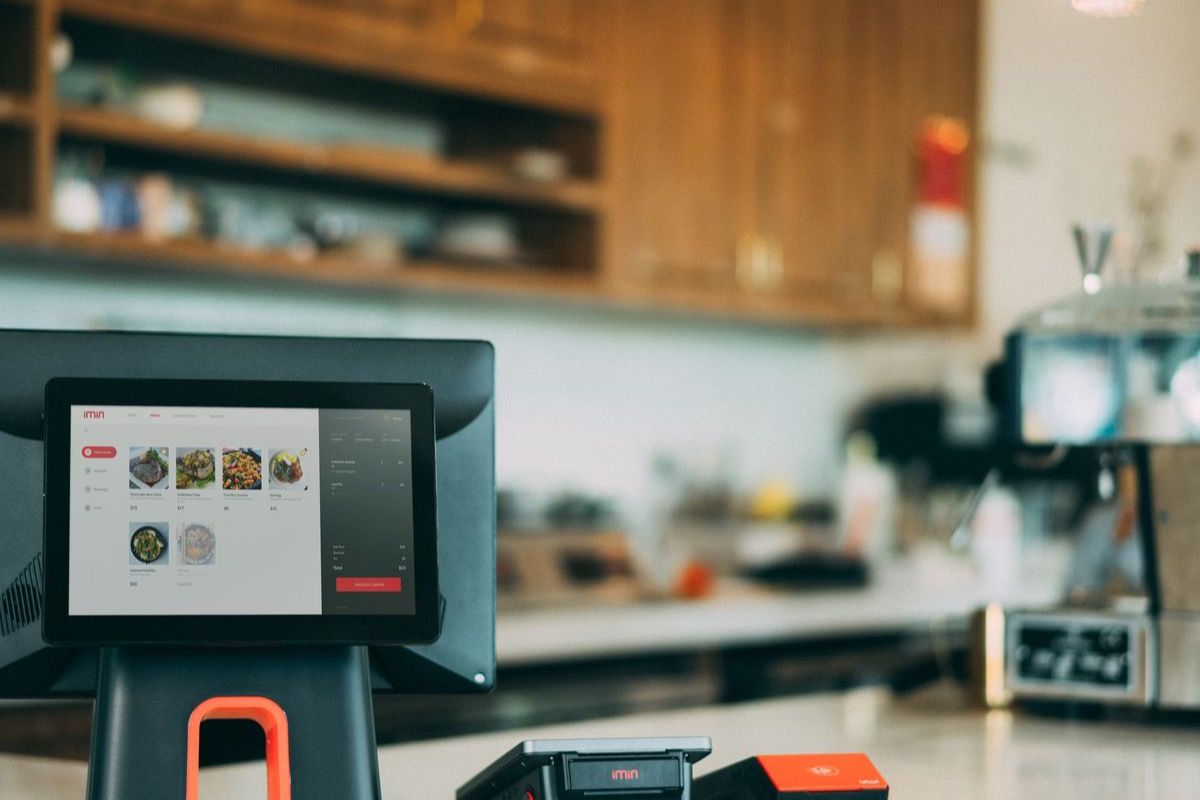
And every time someone opens a tab, adds a round, or closes out, she stops pouring. She turns to the POS. She types.
We spent three weeks timing that. Not with a consultant and a clipboard — with a stopwatch and footage from two bars in western North Carolina. The question was simple: how much of a bartender's shift is data entry?
The answer, in an 8-hour shift: 96 minutes. One-fifth of the shift, spent typing instead of pouring, recommending, or reading the room.
Where the 96 Minutes Actually Go
Here is the breakdown from the timings. These are per-interaction averages across a full Friday and a slow Tuesday, so they include the messy ones — the split tab, the card that declines, the guest who wants to move seats.
Opening a tab (name, card, tab label): 35–50 seconds
Entering a two-item round: 20–30 seconds
Adding a round to an existing tab: 15–25 seconds
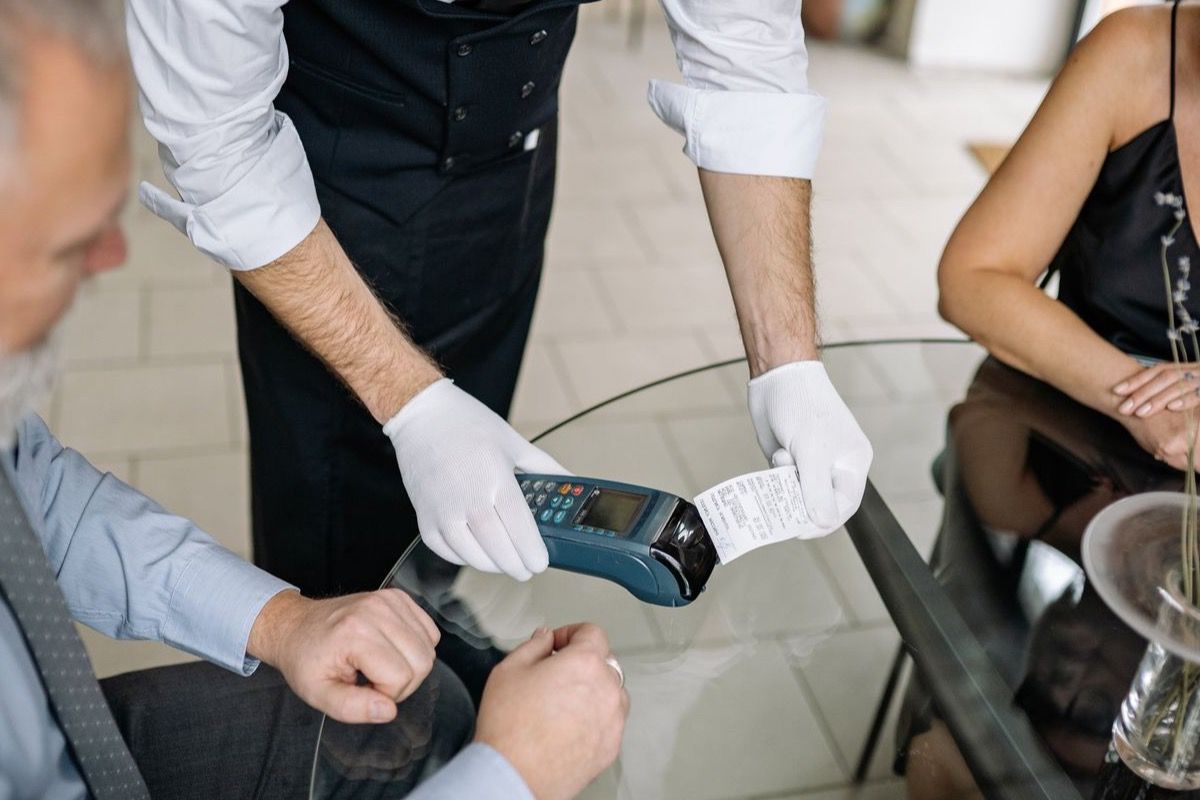
Closing out, tip screen, receipt decision: 40–70 seconds
Fixing a wrong item or splitting a tab: 1–3 minutes
A typical guest touches the POS three times: open, one or two add-ons, close. That is roughly three minutes of typing for three beers that took thirty seconds to pour. Multiply by fifty or sixty tabs a night and the shift quietly disappears into a screen.
At a blended $22 an hour — base wage, payroll taxes, and the tip top-up many bars now pay to keep good staff — 96 minutes costs $35.20 per shift. Five shifts a week is $176. Over a year, $9,152. Call it $9,100 per bartender. Three bartenders: $27,300 a year.
That is not a technology problem. That is a line item that buys you nothing at all.
The Tab Is the Bottleneck, Not the Pour
Pouring a proper pint takes eight to twelve seconds. Pull the handle, tilt the glass, let it settle, top it off. It is the fastest part of the transaction and the part guests are actually paying for — the ritual, the head on the beer, the fact that a human being made it for them.
The slow part is everything around it. The tab is an accounting object that has to be created, updated, and reconciled, and for the last twenty years the only interface for that has been a screen behind the bar.
This is why bars feel understaffed at exactly the moment they are busiest. The bottleneck is not the number of hands. It is that every hand has to stop and become a keyboard.
What $27,300 a Year Buys You (Nothing)
Run the number against anything else on your P&L. $27,300 is a part-time barback. It is a small remodel of the back bar. It is three or four more seats, which in a 40-tap room at $9 a pint is real capacity.
Instead, it buys keystrokes. And it buys them at the worst possible moment — last call, when the queue is six deep and every close-out takes nearly a minute of a bartender's attention.
The QR Tab, Step by Step
This is not "put a QR code on the table and hope." The workflow matters, because a bad digital menu is worse than a paper one. Here is what actually happens behind the bar.
1. The guest scans the code on the coaster or the menu card at their seat. No app, no account, no download. It opens in the browser in about a second.
2. They see the full tap list: ABV, IBU, tasting notes, pour size, price, and a flag if a keg is nearly gone. If you have forty taps, this is the first time most guests have ever actually read all forty.
3. They order and pay from the phone. Card on file. The tab stays open in their name, and they can add rounds without flagging anyone down.
4. The order lands as a ticket on the bar printer or the service tablet: seat 7, two IPAs, one stout. One line. No interpretation, no mishearing, no re-keying.
5. The bartender pours, sets it down, and goes back to the conversation she was having. The typing is gone from her side of the transaction.
6. At the end of the night, the guest closes out with one tap. Tip prompt appears once, at the close, not at every round — which guests quietly prefer and which tends to lift the tip percentage.
The bartender still pours every beer. What disappears is the accounting layer between the guest and the glass.
The Revenue Nobody Counts: Discovery
Forty taps is a merchandising asset. A printed list of forty lines gets about twelve seconds of attention, and most regulars order their usual because the usual is the only thing they can confidently remember.
A QR list with real tasting notes and a "if you like this, try that" line changes the order. The guest who always drinks a $7 pilsner tries the $12 imperial stout because someone finally told them what it tastes like. On a three-round visit, one successful upsell is five dollars on the check.
Sixty tabs a night, one upsell on half of them: roughly $150 a night, or about $4,500 a month in a six-day bar. Treat that as a direction, not a promise — it depends entirely on whether you write the descriptions. A QR menu that is just a price list is a PDF with extra steps.
What This Does Not Fix
It does not remove the physical work of pouring, and anyone selling you otherwise is selling software, not labor savings. It removes typing. Pouring, stocking, washing glassware, and cutting fruit all stay.
It does not work for every guest. Cash regulars, older drinkers, and the guy who has been coming in since 2009 will want the old way. Keep six paper menus at each end of the bar and a handheld for staff. The goal is fewer POS trips, not zero human contact.
It does not fix bad connectivity. A basement bar with two bars of signal will fail at exactly the wrong moment. Test on LTE, not your office Wi-Fi, and cache the menu so it opens offline.
It does not end tab disputes. Splitting six ways is easier on a phone, but the argument about who had the third stout just moves to the table.
And it does not pencil out for a four-seat taproom. $9,100 a year is a three-bartender number. At one bartender and thirty covers a night, the savings are real but small — buy it for the guest experience, not the ROI.
The 30-Day Rollout That Will Not Blow Up a Friday
Week 1: Eight seats at the bar only. Ten best-selling taps, not all forty. QR codes on table tents you already own.
Week 2: Let the bartenders write two descriptions each. They know which beer is drinking best and they will sell what they wrote. This is the single highest-leverage step in the whole rollout.
Week 3: Full tap list goes live. Keep one printed list at each end of the bar so nobody feels forced.
Week 4: Measure four things — POS touches per tab, average check, tabs per hour at peak, and how the staff feels about it. If the third number did not move, the problem was never the typing.
Ninety Days at Two Bars
Bar A, forty taps, three bartenders: POS time fell from 96 to 51 minutes a shift. Average check rose $3.80. The last-call queue shortened by about four minutes, which is the number regulars noticed.
Bar B, eighteen taps, two bartenders: 71 minutes down to 44. Average check up $2.10, almost entirely from six taps guests had never ordered because nobody had ever described them.
Two bars is a sample, not a study. But the direction was consistent across both: typing down by roughly half, check up modestly, and one bad week at the start while guests figured out the flow.
Questions to Ask Before You Sign Anything
Does it write orders into my existing POS, or run beside it? Running beside it means your bartender now has two screens, which is worse than one.
Can a guest open a tab without creating an account? If the answer is no, half of them will not finish.
What happens at 9pm when a keg kicks? Can I 86 an item from my phone in under thirty seconds?
Can I change a price at 5:55pm without calling support?
Where does the tip go, and when is the guest asked?
What does it cost per cover at my actual volume — not the demo volume?
The Point
Your bartender's value is not typing speed. It is knowing the list, reading the room, and the twenty seconds of conversation that turns a second round into a third.
Every minute at a POS is a minute that does not happen. At $9,100 a year per bartender, the typing is not free — you are paying premium labor rates for data entry, at the busiest hour of your week.
QRfood puts the tab on the guest's phone and the ticket on your bar. Your staff pours more, types less, and the guest finally reads all forty taps. Start at qrfood.ai.