Westwood's Persian Palace Got Tired of Customers Ordering the Same Three Things
Westwood Boulevard, on the west side of Los Angeles, holds one of the largest Iranian communities outside Tehran. Block after block of Persian restaurants — koobideh, joojeh kabob, lubia polo, trays of saffron rice going out the door from noon to midnight.
And for years, almost every non-Iranian customer who walked into Caspian Grill ordered the same thing: 'the kabob plate.' Every single time.
Reza, who owns the restaurant, pulled his 2023 sales data for me on a Tuesday afternoon. He had circled one number in red ink.
Among English-speaking customers, 71% of orders were just two items: the koobideh plate or the joojeh plate. The other 18 items on the menu — fesenjan, ghormeh sabzi, tahdig, lubia polo, ash reshteh — split the remaining 29%.
Among Persian-speaking customers, the same restaurant split 42% kabob and 58% specialty dishes. Same kitchen. Same recipes. Same prices. Completely different menu.
The Menu Was Never the Problem. The Words Were.
'English speakers don't order fesenjan because they don't know what it is,' Reza told me. 'They see the word, they don't recognize anything in it, and they think: I'll stick with what I know.'
That sentence describes most immigrant-cuisine restaurants in America. The food is extraordinary. The menu is a list of unfamiliar proper nouns. And a guest who is hungry, tired, and sitting with three other people is not going to gamble $24 on a word they can't pronounce.
Here is the distinction that most operators miss: translating a menu is not the same as explaining it. 'Fesenjan' transliterated into English is still 'fesenjan.' You have changed the alphabet, not the information.
A guest does not need to know the Persian name. They need to know what it tastes like, what it looks like, and what it resembles from food they already love.
What Reza Actually Changed
He did not redesign the restaurant. He did not cut the specialty dishes that had been on the family menu for thirty years. He did not discount anything or spend a dollar on advertising.
He rewrote the descriptions on his QR menu. Not translations — explanations. Twenty-five to forty words each, written for a guest who has never eaten Persian food in their life.
Fesenjan: slow-simmered chicken in a rich pomegranate-walnut sauce. Sweet, tangy, deep. Served with saffron rice. If you like sweet-savory, this is the best thing on the menu.
Ghormeh sabzi: herb stew with lamb, dried lime, and kidney beans. Earthy and citrusy — the dish Iranian families cook at home on a Sunday.
Tahdig: crispy saffron rice crust, ordered as a side. Crack it into your stew.
Lubia polo: green bean and tomato rice with beef. Mild, comforting, close to a biryani. Start here if you want something familiar.
Look at what those four descriptions actually do. Each one names a flavor (sweet-tangy, earthy-citrusy), a texture (slow-simmered, crispy), and a reference point the guest already owns (biryani, a Sunday stew). None of them requires the guest to know a single Persian word.
Ninety Days Later
Specialty-item orders among English-speaking guests went from 29% to 54% of sales in under three months. Average ticket rose by $6. Fesenjan moved into the top five sellers — a dish that had been on the menu since 1994 and had never cracked the top ten.
At roughly 140 covers a day, $6 on the average ticket is about $840 in additional revenue on a normal Tuesday. Over a month, that is close to $25,000 — with no new staff, no new equipment, and no discounting.
Reza is quick to point out that not all of that came from descriptions alone. The neighborhood grew. Delivery picked up. But the item mix changed in a way that only words can explain: guests did not start ordering more food. They started ordering different food.
Why Descriptions Beat Translations
Unfamiliar cuisine carries a risk tax. When a guest cannot picture a dish, the safe move is the thing they have ordered before — even if they are bored of it. That is why the kabob plate wins by default: it is the only item on the menu that requires no imagination.
A good description pays that tax for them. It gives a picture, a flavor, and an anchor. The guest is no longer gambling; they are choosing between two things they can visualize.
There is a second effect that shows up on the floor. Servers stop explaining eighteen dishes sixty times a shift. They spend that time on hospitality instead of pronunciation lessons — and the whole room feels calmer at 8pm on a Saturday.
And a third effect compounds: discovery. A guest tries fesenjan, loves it, brings two friends next week, and orders it again. The specialty menu stops being decoration and starts being a reason to return.
The Playbook You Can Steal
Step one: pull ninety days of item mix. Find the dishes that are under 3% of orders but carry healthy margin and a story. Those are your invisible dishes.
Step two: pick eight to ten of them. Not the whole menu — the ones worth fighting for. A menu where every item has an essay reads like a museum label and nobody finishes it.
Step three: write each description with a flavor word, a texture word, and a comparison. 'Tastes like X, feels like Y, if you like Z you'll love this.' That formula alone will outperform any literal translation.
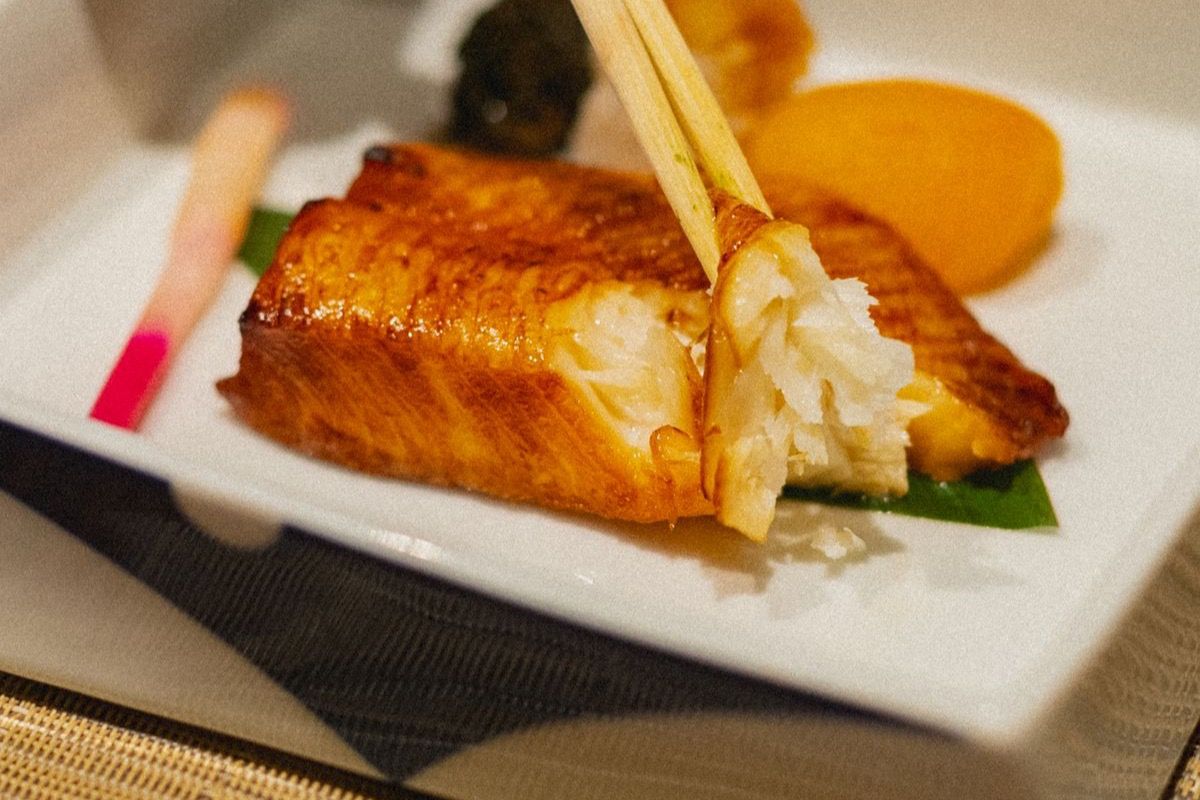
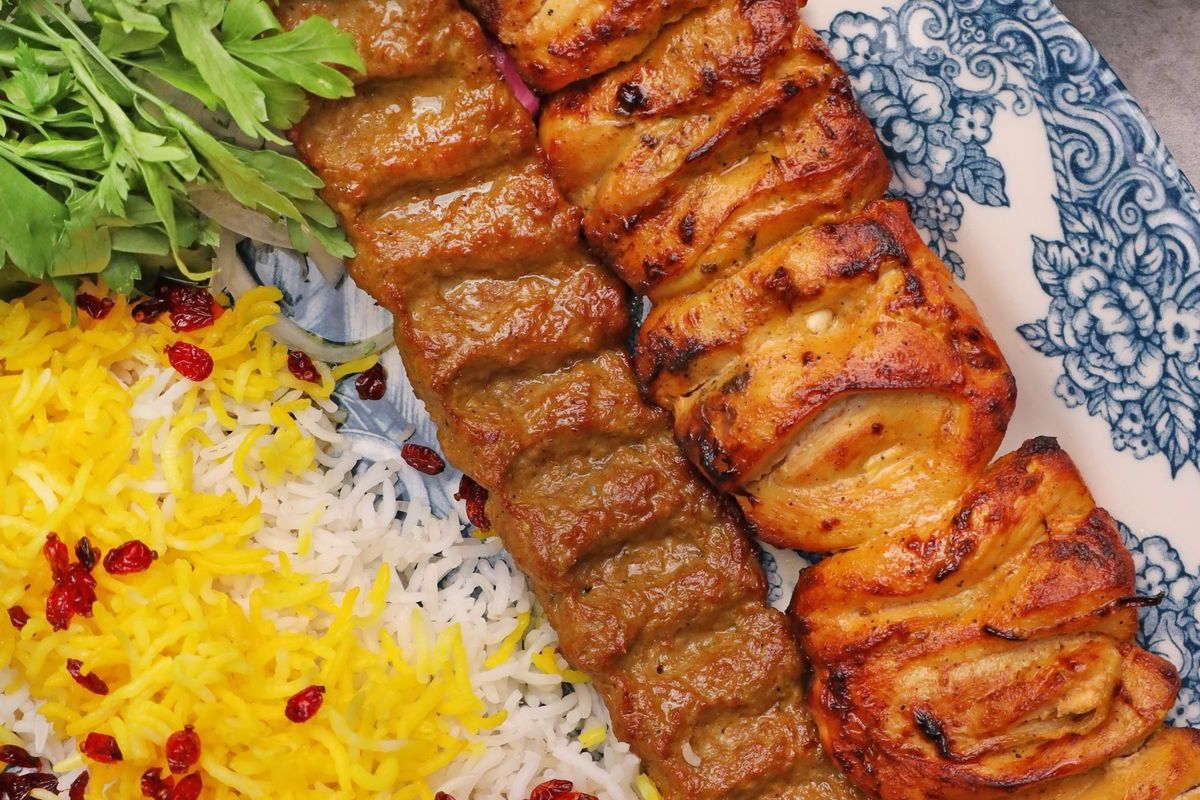
Step four: put a photo next to the three dishes you most want to sell. Persian food photographs beautifully — saffron rice, pomegranate, charred skewers. Let the plate do the arguing.
Step five: measure the mix every week, not the revenue. Revenue moves for a dozen reasons. The percentage of orders going to specialty dishes is the only honest signal that your menu is being read.
The Mistakes That Kill It
Literal translation is the first. 'Herb stew' tells a guest nothing except that there are herbs and it is stew. It does not tell them it is sour, or that the dried lime is the whole point.
The second is length. Ninety words of culinary history is a lecture, not a menu. Twenty-five to forty words is the sweet spot: enough to build a picture, short enough to read while standing in line.
The third is hiding the specialty dishes at the bottom of the page because they sell less. They sell less because they are invisible. Put fesenjan where the kabob plate sits, with a description that earns the click.
The fourth is doing it once and never again. Menus change, seasons change, guests change. Descriptions are not a one-time project; they are maintenance.
Doing This Without Rewriting Your Menu Every Month
This is exactly the problem QRfood was built for. You upload your menu once — dish names, prices, photos, and the descriptions you wrote — and it publishes in more than ten languages. Not machine-literal translations, but descriptions that make cultural sense in each language.
When you change a price or add a seasonal dish, you change it once. Every language updates. No reprinted menus, no stickers over old prices, no server trying to remember whether the ghormeh sabzi has lamb or beef this month.
Reza's restaurant did not get a new identity. It got read properly for the first time by half its customers.
Your tahdig deserves to be discovered. So does your fesenjan, your ash reshteh, your grandmother's recipe that nobody outside the community has ever ordered.
Give your customers a reason to explore. Start free at qrfood.ai.