"Sorry, We're Out of That" — and How We Finally Stopped Saying It
I run a 32-seat Italian cafe in Boston's North End. We have 25 items on the menu, three daily specials, and one supplier who is late roughly every other week. For six years, that combination produced the same small humiliation at least a dozen times a day.
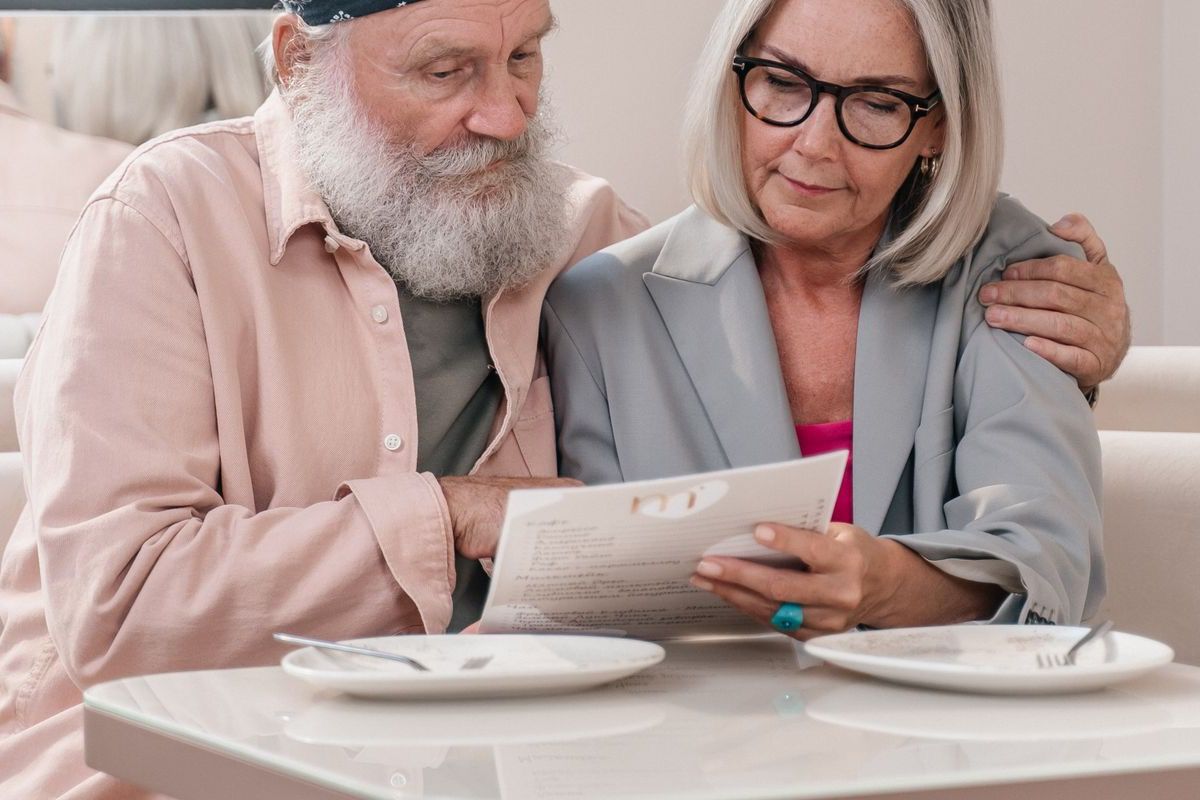
A guest would order the gnocchi. I would say we were out. They would ask about the ravioli. Also out. They would ask to see the menu again, even though the menu in their hands was the reason we were having this conversation.
Nobody was angry. That was the strange part. They were polite, and I was apologetic, and both of us were quietly annoyed at a piece of paper that could not tell the truth.
The 11:31 Problem
Our lunch rush starts at 11:15. The pesto usually sells out around 11:30. For four weeks last spring, I logged every sold-out conversation at the front of house.
The average lunch shift produced 16 of them. Each one consumed about two and a half minutes of server time — the apology, the alternatives, the re-reading of a menu that had not changed, the second decision. That is roughly 40 minutes of labor per shift spent explaining what we did not have.
The harder cost was momentum. A table that arrives hungry and confident, then gets told no twice, orders differently. Sometimes smaller. Sometimes just a drink and bread. In our log, one in five of those tables ended up spending less than they had originally intended.
We were not losing money because the pesto ran out. We were losing money because our menu kept promising something the kitchen could not deliver.
A Paper Menu Is a Photograph of a Moment
That is the whole problem, and it took me years to say it that plainly. A printed menu is accurate for exactly one moment: the hour it leaves the printer. After that it is a historical document being handed to people who are trying to make a decision about dinner.
We tried the usual fixes. A handwritten specials board by the door, which guests did not read because it was behind them. A chalkboard that said "ask your server what we're out of," which turned every server into a human availability database. A pre-shift briefing where we tried to make everyone memorize the 86 list, which worked until the 86 list changed at 11:45.
Each fix moved the information somewhere useful for us and useless for the guest. None of them put the truth in front of the person ordering.
The Setup Took Five Minutes, Because I Am Not Casual About Menus
I found QRfood while searching for something else entirely, on a Tuesday night, after a shift where we had run out of three things before noon.
I built the full menu — all 25 items, descriptions, prices, both English and Italian — in about five minutes. That is not a typo, and it is also not a fair benchmark: I have been writing menus for two decades and I am fussy about commas. Most operators will be faster. The point is that it was an evening task, not a project.
The feature that changed the restaurant was not the QR code. It was the fact that the menu became editable in real time.
The 90-Second Update
Here is a real sequence from last week.
11:30 AM — we sell out of the lunch pesto pasta.
11:31 AM — I take out my phone, open the menu, and mark the item sold out.
11:32 AM — the next guest scans the code on the table, sees no pesto, and orders the cacio e pepe without asking anyone anything.
Before, that guest would have flagged me down, asked about the pesto, received bad news, re-read a paper menu that still listed it, ordered something else two minutes later, and spent the rest of the meal slightly annoyed at us for a mistake we had not actually made.
One detail matters more than it sounds: I mark items sold out rather than deleting them. If an item is gone for the day, the tag tells the truth and keeps the menu looking complete. If it is gone for the season, I hide it. The distinction is small, but guests read a shrinking menu as a struggling restaurant, and they read a sold-out tag as a busy one.
What It Did to the Floor
My servers stopped being the bearers of bad news. That sounds like a small thing until you watch it happen for a week.
Before, every order was a small negotiation. A guest asked for something, the server checked, the answer was no, and the server absorbed the disappointment personally. After, the guest arrived at the table already knowing what was available. The server's job went back to selling food instead of managing disappointment.
One of them said it better than I could: "I stopped apologizing for the kitchen and started talking about the specials."
We also cut a surprising amount of walking. Every sold-out conversation used to involve a trip to the kitchen or a shout across the pass. Sixteen of those a shift is a lot of steps, and every step is a moment a table sits unattended.
What It Did to the Check
I want to be careful here, because I am a restaurant owner, not a researcher, and eight weeks is not a study.
In the eight weeks after we switched, our average lunch check rose about 8%. We did not change prices. My honest read is that guests who were not derailed by a sold-out item ordered the second choice they actually wanted, rather than defaulting to something safe and cheap. They also ordered more confidently, because they could read the whole menu without a time pressure created by a server standing at the table.
Could something else explain it? Possibly. Spring menus, better weather, a new lunch special. But the direction matched what I saw at the tables, and it matched what other operators had told me.
The Menu Became a Living Document
Once updating stopped being expensive, I started updating more. That turned out to be the bigger shift.
Daily specials go up in about 30 seconds, usually while the first pot of coffee is brewing. When our pasta supplier raises prices, I change three prices that afternoon instead of waiting six days for a reprint. When a dish is particularly good, I tag it "Chef's Pick" and watch what happens. When a seasonal item runs out in October, it disappears that morning instead of lingering on the menu until the new print run arrives.
The menu stopped being a print product we maintained and became a live description of the kitchen. That is what it should have been all along.
Three Rules If You Do This
First: never quietly raise a price. Update it, and let the guest see the new number. A menu that changes honestly builds more trust than one that never changes at all.
Second: mark sold out honestly, but do not leave last week's specials up for a month. A sold-out tag is information. A stale menu is a lie.
Third: keep a small stack of paper menus for guests who genuinely need them. The goal was never to eliminate paper. The goal was to stop printing 250 of them every time a price moved.
The Bottom Line
A menu has one job: tell the truth about what is in the kitchen tonight. Paper cannot do that after 11:30 AM, and no amount of training can make a server do it perfectly at the end of a double shift.
We still run out of things. That has not changed and probably never will. What changed is that our guests find out before they order, in the same thirty seconds they were going to spend reading the menu anyway.
No more "sorry." Just "yes, we have that" — or an honest, immediate alternative.
If your menu has ever made you apologize for your own kitchen, QRfood is worth three minutes. That is genuinely how long the setup took. Free to try at qrfood.ai.