💸 How to Reduce Restaurant Labor Costs in 2026: 7 Proven Strategies
If you own or manage a restaurant in the United States, you already know the numbers. Labor costs now average 30-35% of total revenue—up from 20-25% just five years ago. The National Restaurant Association projects the industry will need to fill 2.5 million positions in 2026, and the average hourly wage for restaurant workers has climbed 18% since 2023.
But here's the thing: cutting labor costs doesn't mean firing your best servers or running your kitchen skeleton-thin. The restaurants that thrive in 2026 are the ones that work smarter—not leaner.
Here are 7 strategies that real restaurant owners are using right now to reduce labor costs without sacrificing quality.
Strategy #1: Implement QR Code Ordering
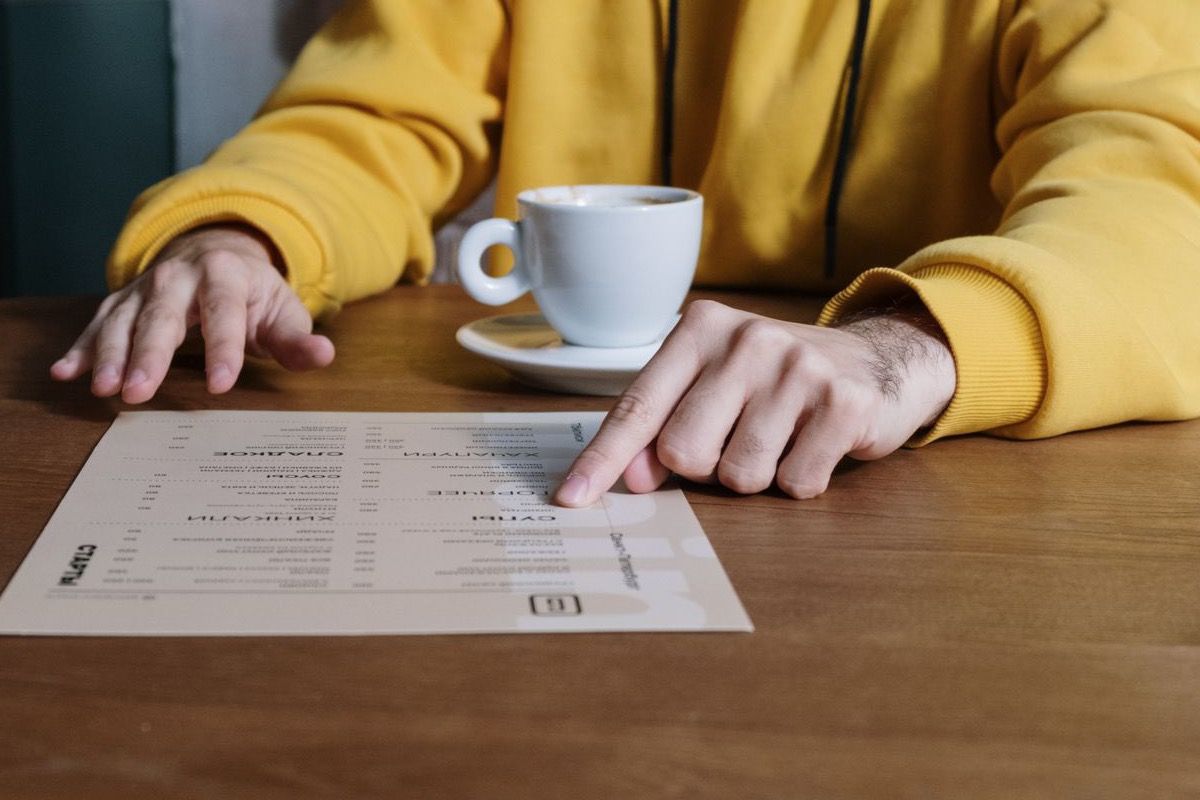
This is the single biggest lever you can pull. QR code ordering lets customers browse your menu, place orders, and pay directly from their phones—no server needed for the transaction.
What does this mean in practice? One 80-seat casual dining restaurant in Denver switched to QR ordering and reduced their server-to-table ratio from 1:4 to 1:8. They didn't fire anyone—they reassigned two servers to focus on hospitality: greeting guests, checking on satisfaction, and upselling premium items. The result? Labor cost dropped from 32% to 24% of revenue, and average check size actually went up 15% because servers had more time for personal recommendations.
The math is straightforward. If you save 2-3 labor hours per shift at $18/hour, that's $1,080-$1,620 per month in savings—per location. Over a year, that's $13,000-$19,000 you keep in your pocket.
Strategy #2: Use AI-Powered Staff Scheduling
Most restaurants still schedule staff based on gut feeling. "Friday nights are busy, so let's put everyone on." But what if your data tells a different story? What if Friday nights in July are different from Friday nights in December? What if a local high school football game drains your dinner crowd every other Thursday?
AI scheduling tools analyze your historical sales data, local events, weather patterns, and even social media trends to predict exactly how many staff you need—down to the hour. Restaurants using intelligent scheduling typically reduce overstaffing by 20-30%.
Think about it: if you're overstaffed by just 2 people for 3 hours, 3 nights a week, that's $324/week in wasted labor at $18/hour. Over a year, that's nearly $17,000.
Strategy #3: Cross-Train Your Team
The restaurant that runs only when "Mike is here to work the register" or "Sarah has to be on to handle the expo line" is a restaurant that's one sick day away from chaos.
Cross-training isn't just about having backups. It's about flexibility. When your host can step in to run food, when your bartender can handle a simple to-go order, when your line cook can fill in at the dish pit during a slow hour—you suddenly need fewer total bodies on the schedule.
The best approach: invest 2-3 hours per week in cross-training for one month. It feels like you're losing time. But within 6 weeks, you'll have a team that can cover any shift configuration with 15-20% fewer people.
Strategy #4: Streamline Your Menu
Here's a counterintuitive truth: a smaller menu means lower labor costs. Every additional menu item adds complexity—more ingredients to prep, more cooking techniques to master, more potential for errors and remakes.
Look at your sales data. You probably have 20% of menu items that generate 80% of your revenue. Those are your stars. The other 80%? They're dragging down your kitchen efficiency.
One pizza place in Chicago cut their menu from 45 items to 22. Kitchen prep time dropped by 3 hours per day. They eliminated one prep cook position and reduced food waste by 40%. Revenue stayed flat because customers were ordering the same popular items anyway.
Strategy #5: Automate Repetitive Tasks
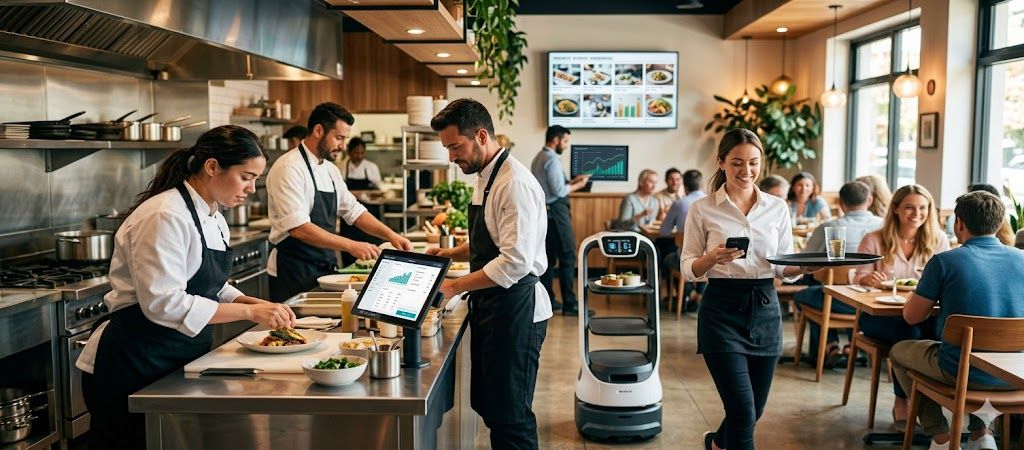
What does your team do that a machine could handle? Inventory counts. Order reminders. Table status updates. Shift swap requests. These are all tasks that eat up human time without requiring human judgment.
Modern restaurant management platforms can automate:
• Inventory tracking—scan items, get alerts when you're running low
• Supplier ordering—auto-generate purchase orders based on usage patterns
• Shift management—let employees swap shifts through an app instead of calling the manager
• Customer follow-ups—automated email/SMS for feedback, birthday offers, re-engagement
The time savings add up fast. A restaurant that automates inventory and ordering typically saves 8-10 hours per week of manager time. That's an entire shift you can eliminate from the schedule.
Strategy #6: Optimize Table Turnover
Table turnover is where labor efficiency meets revenue. The faster you can seat, serve, and turn a table—without rushing your guests—the fewer labor hours you need per cover.
Three tactics that work:
1. Pre-buss tables. Train servers to clear plates as guests finish them, not after everyone is done. This alone can shave 5-7 minutes off table time.
2. Mobile payment. When guests can pay at the table via QR code, you eliminate the 3-5 minute wait for the check, then the credit card run, then the signature. That's 8-10 minutes saved per table, per meal.
3. Offer express options. A "quick bite" section on your menu—items that can be prepared in under 10 minutes—gives time-conscious guests a faster experience and frees up tables sooner.
If you improve table turnover by just 10 minutes during a 5-hour dinner rush, and you have 20 tables, that's 200 minutes of table time freed up. That's 3-4 additional turns per night. More covers, same labor.
Strategy #7: Invest in Retention (Yes, Really)
The average restaurant loses 75% of its staff every year. The cost of replacing one employee—recruiting, hiring, training, lost productivity—ranges from $3,000 to $5,800. If you have 30 employees and turn over 75%, that's $67,500 to $174,000 per year in replacement costs.
Reducing turnover is one of the most powerful ways to reduce labor costs. Here's what works:
• Pay fairly. Not "the most in town"—just competitive. A $1/hour increase above market rate can reduce turnover by 20-30%.
• Flexible scheduling. Let employees choose shifts through an app. Respect their time outside of work.
• Clear advancement paths. Show your dishwashers how they become line cooks, your line cooks how they become sous chefs.
• Recognition. A simple "employee of the month" program with a $50 bonus costs almost nothing and means everything.
When your team stays, you spend less time recruiting and training, and more time serving guests efficiently. That's real labor cost reduction.
The Bottom Line
Reducing restaurant labor costs isn't about doing more with less. It's about eliminating waste—wasted time, wasted effort, wasted talent—so your team can focus on what actually matters: delivering an incredible experience to your guests.
Start with one strategy. QR code ordering is the fastest ROI. But the real magic happens when you combine multiple approaches. A restaurant that implements QR ordering, AI scheduling, and menu optimization can realistically cut labor costs by 8-12 percentage points within 6 months.
That's not just better margins. That's a restaurant that's built to survive and thrive in 2026 and beyond.
Ready to Get Started?
QRfood's QR code ordering system is designed specifically for restaurants that want to reduce labor costs while improving guest experience. Setup takes 24 hours. No hardware required. Start with a free trial and see the difference in your first week.
Because the restaurants that win in 2026 aren't the ones with the most staff. They're the ones with the smartest systems.