📊 The Real Cost of a Menu Change: Why "Print and Pray" Costs $1,050 a Year
It's Tuesday, 9:40 a.m. Your seafood supplier calls: the wild salmon didn't make the truck. You need to swap the Grilled Salmon ($28) for the Trout ($24) sitting in your walk-in. Sounds like a 30-second decision. It never is.
If your menu is printed, that one swap drags a chain of work behind it — work you've done so many times you stopped counting it.
What One Ingredient Swap Actually Costs (With Paper)
Step one: cross out the salmon. Not on one menu — on every menu. That's 45 minutes of a manager's morning, gone.
1️⃣ Cross out salmon on every printed menu — 45 minutes.
2️⃣ Staff briefing — 15 minutes pulling every server aside mid-prep to say the salmon is off.
3️⃣ Table-side corrections — three tables order salmon anyway; your server spends 10 minutes apologizing and re-selling the trout.
4️⃣ One comped appetizer — a guest insists on salmon, won't take trout, so you comp their $12 appetizer to keep the peace.
Total for one ingredient change: $12 in comps + 70 minutes of paid labor ≈ $35 in real cost. For swapping a single fish.
Now Multiply It by a Year
A typical independent restaurant manages 20–30 menu changes a year — seasonal shifts, supplier shortfalls, price spikes on beef and seafood, new dishes, discontinued items.
At $35 per change, that's $700–$1,050 a year in pure admin friction — before you spend a single dollar on reprinting. And reprinting is its own line item: a full redesign and reprint runs $600–$1,200 each time.
Here's the number most owners never see: 70 minutes × 25 changes = 29 hours. That's nearly a full part-time week, every year, spent on nothing but editing menus.
The Hidden Cost: The Change That Never Gets Made
It gets worse in the gap between "we should update the menu" and "the menu is updated." During that window, servers keep telling guests "oh, we're out of that," or quoting a price that died two weeks ago.
A table that hears "we're out of that" twice stops trusting the menu. A menu nobody trusts is a menu that stops selling your highest-margin dishes.
A Real Story: Danny's Seafood Shack, Portland
Danny runs a 42-seat seafood spot in Portland. In one year he logged 31 menu changes — three times what he guessed. The biggest driver wasn't new dishes. It was shortages and price swings on the fish he buys fresh every week.
"I used to keep a Sharpie in my apron pocket," he says. "Every time I crossed out a dish, I was apologizing for my own menu."
Danny moved his menu to a QR code. The salmon-out morning now takes 40 seconds: open the dashboard, toggle the item off, done. Every phone at every table shows the trout instead — with today's price.
First year: 31 changes × $35 ≈ $1,085 in avoided friction, plus $1,900 he never spent on reprints. He didn't raise a single price or add a single seat.
Why Digital Changes the Math Entirely
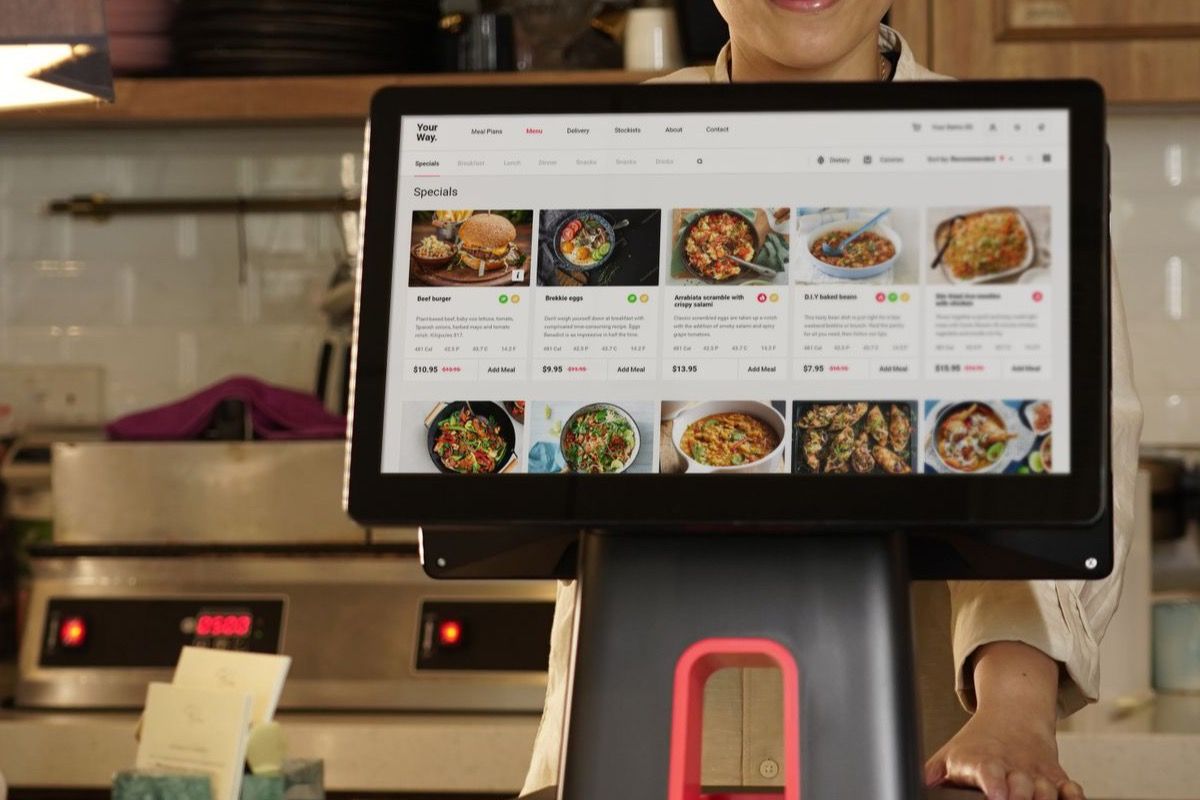
With a real-time menu, a change is a toggle, not a project. Disable the item, adjust the price, add a new dish — it's live on every customer's phone in seconds, with no version history to reconcile.
That means: no crossing out, no briefing, no comped appetizers, no reprint bill, and no copy of your menu that's quietly wrong.
Paper vs Real-Time: The Same Year, Side by Side
📄 Paper menu: $0 subscription | $35 per change | 25 changes = $875 | + $600–$1,200 in reprints | + 29 hours of labor
📱 Real-time QR menu: flat monthly cost | $0 per change | $0 in reprints | ~0 minutes per update
Add the two paper lines together and the "cheap" option turns out to be the expensive one.
Five Hundred Restaurants Have Already Tested This
More than 500 restaurants in Japan run on QRfood — in a market where ingredient seasons turn weekly and guests expect perfection. For them, real-time menus aren't a luxury feature. They're table stakes.
The math is identical in Portland, Austin, or Queens: paper charges you every time something changes. Digital charges you once, then gets out of the way.
What This Means for Your P&L
Menu management isn't a design task. It's a recurring operating cost — and it's one you can drive to nearly zero without touching your kitchen, your recipes, or your prices.
Run the math on your own restaurant: how many times did your menu change last year? Multiply by $35. That number is the real cost of print-and-pray.
Try It on Your Next Menu Change
The next time your supplier calls with bad news, see how fast the fix can be.
Start free at qrfood.ai. Change the menu in seconds. Keep the $1,050.
Because in 2026, the restaurants that win don't spend their margin on editing menus.