The Mathematics of Real-Time Menu Updates vs. Print-and-Pray
It's Tuesday morning. Your seafood supplier calls — the wild salmon shipment didn't arrive. You need to swap the Grilled Salmon ($28) for the Trout ($24) sitting in your walk-in. One ingredient. One substitution. It should take two minutes.
On paper, it takes much longer. Here is what that single swap actually costs a restaurant running printed menus.
The Hidden Cost of One Ingredient Swap
Cross out salmon on every paper menu with a marker — 45 minutes across the dining room, the patio, and the takeout stack.
Brief every server on the change — 15 minutes of pre-shift time you never budgeted.
Three tables order salmon anyway because they never got the update — 10 minutes of explaining, apologizing, and re-deciding.
One guest insists on salmon and refuses the trout. You comp their $12 appetizer to make it right.
Add it up: $12 in comped food plus 70 minutes of staff time. At a loaded labor cost, that is roughly $35 of real money — spent on a dish you never sold.
Now Multiply It Across a Year
A typical independent restaurant deals with 20 to 30 menu changes a year. Seasonal ingredients rotate. Suppliers run short. Prices move. New dishes get added and old ones get pulled.
At an average of $35 per change, "minor adjustments" quietly cost $700 to $1,050 a year. It never shows up on one line of your P&L — it spreads invisibly across labor, comps, and the orders you lost along the way.
The Real-Time Flip
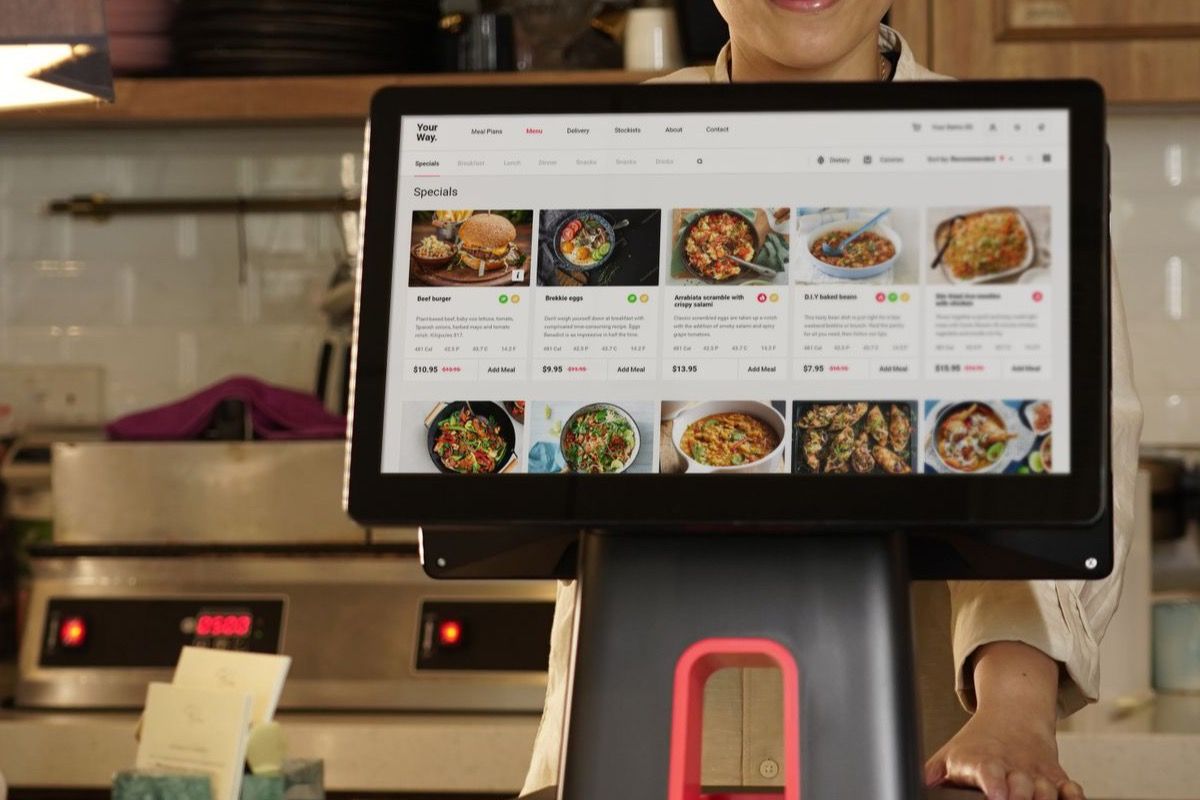
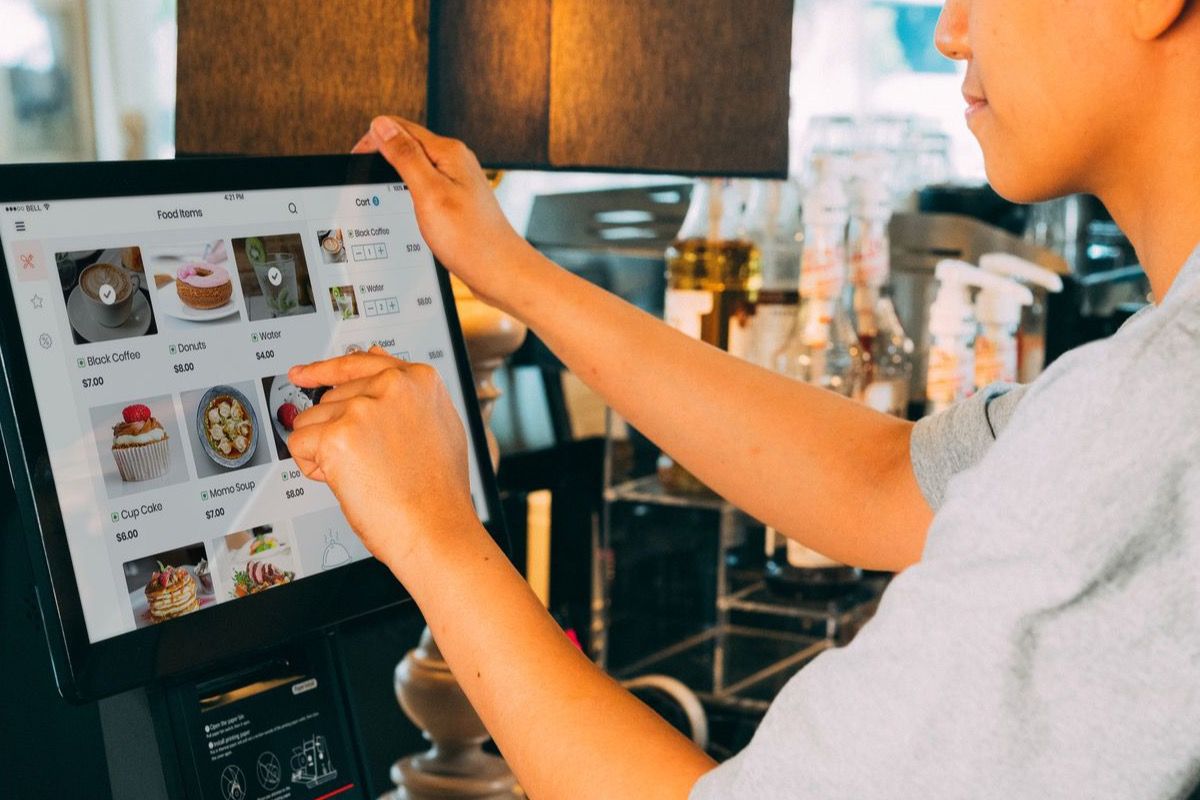
A QR menu changes the math entirely. When the salmon doesn't arrive, you open the dashboard, disable the salmon item, and every guest's phone updates instantly. No marker. No briefing. No comps. No friction.
The transition cost of a menu change drops to zero. You can launch a seasonal special at noon and pull it by 8. You can 86 an item the moment the kitchen runs out — before a single wrong order gets placed.
Why 500+ Japanese Restaurants Already Run This Way
In Japan, where ingredient seasons shift weekly and guest expectations are unforgiving, more than 500 restaurants use QRfood for exactly this reason. Real-time menus there are not a luxury feature. They are the baseline.
The same math holds in any market where food costs move and staff time is tight — which is every market.
The Bottom Line
Paper costs you every single time the menu changes. Digital costs you nothing after setup.
That is the whole equation. One number rises every time something changes. The other stays flat.
Run the math on your own menu changes this year. Then try QRfood free at qrfood.ai.