The Tour Bus in the Off-Season: Why Miami Beach Restaurants Can't Afford to Speak Only English
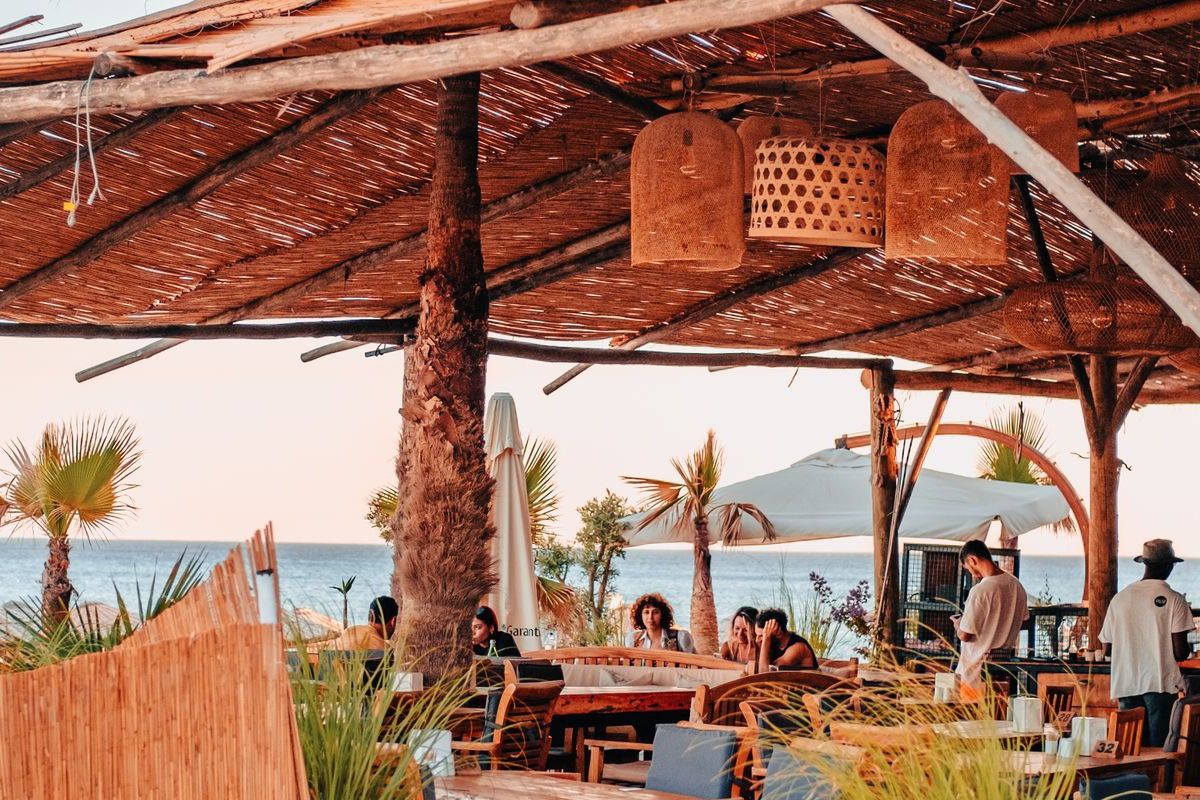
South Beach, off-season Tuesday, 2:15 in the afternoon. Ocean Drive is quiet — the kind of quiet that makes a restaurant owner stare at the empty patio and do the math on next month's rent. Then a bus pulls up. Forty Brazilian tourists, hungry, sunburned, ready to spend.
You seat them. Ten tables of four, all at once. You hand out your English menus. And you watch it happen: not anger, not complaints — just a slow collective freeze. Two tables politely stand up and leave. The rest point at the safest item on the page, order water, and eat less than half of what they would have ordered if they understood what they were reading.
They were never budget travelers. They were confused travelers. And that is a completely different — and far more expensive — problem to have.
Miami International Airport welcomed more than 50 million passengers last year, with Latin America accounting for the largest international segment. Brazilian, Argentine, Colombian, and Mexican visitors specifically choose Miami because of the Latin vibe — the food, the music, the warmth. Then they sit down at your restaurant and the menu goes silent.
Miami Is the Most Multilingual Tourist City in America — and Your Menu Is Monolingual
Here is what the dining data says. Latino tourists in Miami spend 25 to 35 percent more per check when a restaurant offers menus in Spanish or Portuguese. They order full meals instead of appetizers. They add drinks and dessert. They tip well above average. This is the highest-value tourist segment in the city, and it is walking past your host stand in groups of forty.
But Miami has a very specific complication that other tourist cities don't. Your Latin American guests are not a single language. Brazilians speak Portuguese — not Spanish. Argentines and Colombians speak Spanish, but with menus and ordering habits that differ. A page printed in Spanish serves maybe two-thirds of your Latin traffic. The third that speaks Portuguese gets nothing.
And that is before you factor in the rest of the world. Fisherman's Wharf taught us this lesson on the West Coast: four languages on a single pier. Miami's international traffic runs even deeper — French-speaking Haitians and Quebecois snowbirds, German and Italian cruise passengers, Chinese and Japanese travelers connecting through MIA on their way to the Caribbean.
Why a Printed Bilingual Menu Doesn't Solve Miami's Problem
The obvious answer — print a bilingual menu — collides with the reality of running a Miami Beach kitchen.
First, your menu changes constantly. The catch arrives fresh; the produce is seasonal; the specials rotate every few days. A laminated bilingual menu is obsolete within a week, and reprinting 200 menus every time the snapper runs out is not a line item any independent restaurant should carry.
Second, the human fallback is unreliable. Your bilingual server — the one who can switch between Spanish and English without missing a beat — is not on shift that Tuesday. Or she is handling twelve tables and cannot spend four minutes translating each one. The single person who holds the language key becomes a bottleneck, and when they clock out, your multilingual restaurant becomes an English restaurant again.
Third, and most overlooked: even Spanish doesn't cover Portuguese. A restaurant that spent good money on Spanish-language menus still watches Brazilian tables struggle, because Brazilian Portuguese and Spanish are close enough to confuse and different enough to mislead. "Frango" is not "pollo." "Suco" is not "jugo." Guests who think they understand — but don't — often order worse than guests who know they don't.
The Math on a Single Misread Table
Let's put real numbers on the bus that just arrived.
Ten tables of four. Guests who can read the menu order the way you designed the menu to be ordered — the signature entrée, a starter to share, a cocktail, dessert. Say an average check of $34 a head once drinks and dessert land. Guests who cannot read the menu order conservatively: $21 a head, no cocktails, no dessert, because nobody wants to gamble on an unfamiliar page.
That is $13 a head, $52 a table, $520 for a single bus — gone. And this bus is one of several a week once the season turns.
Then add the time cost. When guests can't read the menu, service slows down. Servers repeat, explain, point, and translate. Each table takes an extra four to six minutes to order. Across ten tables that is nearly an hour of server time burned on translation instead of on hospitality — and in a 90-minute turn window on Ocean Drive, that hour is exactly what keeps the next party from being seated.
None of this shows up as a line item on a P&L. It shows up as a table that felt unwelcome and never comes back.
The Catch of the Day Will Change. The Language Shouldn't Have To.
This is the exact problem a QR-based digital menu was built for, and Miami is the city where it pays off fastest.
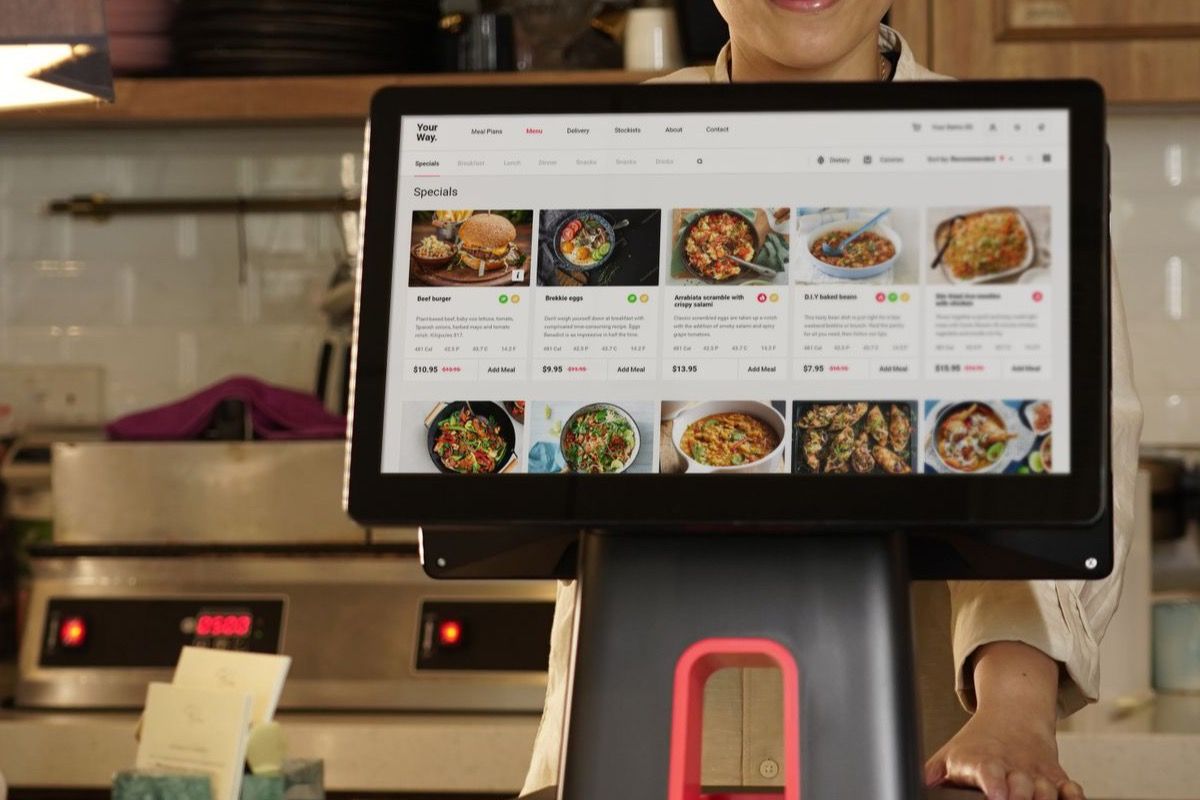
A single QR code on each table opens your live menu in the guest's own language — Spanish, Portuguese, French, German, Chinese, Japanese, and more. No printing. No laminating. No reprinting when the snapper sells out at 7 PM. You update the catch in your dashboard, and every table in every language sees the change in seconds.
Crucially, it is not one language at a time. Every guest at the table scans with their own phone and reads in their own language. The Brazilian couple and the Argentine family at the same table each get a menu that speaks to them, from the same kitchen, at the same moment.
A Tuesday on Ocean Drive: The Table That Almost Walked
A family-run seafood restaurant a block off Ocean Drive had the same off-season problem every year. Decent Spanish, excellent food, and a growing stack of Brazilian and French tables that ordered the bare minimum.
One slow Tuesday, a table of six Brazilians sat down and the one English speaker in the group did all the work — reading every dish aloud, guessing at translations, getting flustered. Two of them were ready to leave before the drinks even arrived.
The owner put a QR code on the table. The six of them scanned, read in Portuguese, and ordered in under ninety seconds: whole fried snapper, two orders of the crab starter, caipirinhas all around, and dessert they had initially skipped because nobody could explain what it was.
The check was nearly double what a table of six usually spent in that spot. More telling: the server spent her time describing the catch and recommending a wine pairing instead of translating a menu. "They didn't need me to be a dictionary," the owner said later. "They needed me to be a host."
What a 12-Language QR Menu Actually Does for a Miami Beach Restaurant
💰 Zero print costs, forever. No bilingual laminates, no reprints when the specials change, no "sorry, we're out of the Spanish menus" on a busy Saturday.
🇧🇷 Portuguese is included. Brazilian travelers are the single largest Latin American group in Miami, and they are the exact segment a Spanish-only menu misses.
🐟 Fresh catch, updated in seconds. Pull the grouper, add the hogfish, change the price — done from your phone, live at every table immediately.
🕐 Every table, every shift, every language. It doesn't matter whether your bilingual server is on shift. The menu is always multilingual.
📊 You finally see what tourists order. Which dishes the Brazilian tables love. Which wines the French guests choose. Data you can use to build specials that sell themselves.
😌 Less friction, higher tips. Guests who understand the menu order confidently — and confident guests tip better.
Three Minutes to Set Up, Before the Next Bus Arrives
Step 1: Build your digital menu. Add your dishes with photos, descriptions, and prices in your QRfood dashboard. The platform handles translation into 12+ languages automatically.
Step 2: Generate your QR code. Click once, download, print it as a table tent or a sticker. One code per table works; one per restaurant works too.
Step 3: Greet, don't translate. Teach your team a single line: "Scan the code for the menu in your language." Within a week, guests reach for their phones before you finish the sentence.
The Concerns, Answered
"What if older tourists don't know how to scan?"
By 2026, scanning a QR code is as routine as opening a camera app. Every phone built in the last five years reads them natively. Keep a few printed menus as backup for the rare guest who prefers paper — but the vast majority will scan without a second thought.
"Won't international tourists have trouble with data roaming?"
Most travelers in Miami are on cruise ships, hotel Wi-Fi, or local roaming plans, and your guests are already using their phones for maps, translators, and ride-share. A menu page loads in a fraction of the data of a single photo.
"Doesn't the phone make it feel impersonal?"
The opposite. A guest reading a dish description in their own language, with a photo and an honest price, feels more welcomed than one squinting at a page they can't parse while a server tries to help in broken Spanish. The phone replaces confusion, not conversation.
"What does it cost?"
QRfood starts at $199 a month. If a multilingual menu recovers even one table of four a night at your normal check average, it has more than paid for itself. In Miami, the question isn't whether the tables are coming — it's whether they can read you when they sit down.
Your Next Bus Is Already Booked
Miami's international traffic is not a seasonal fluke. It is the defining feature of the market you operate in — and it is growing every year as MIA expands its Latin American and Caribbean routes.
The restaurants that win the next decade on Ocean Drive, in Little Havana, in Wynwood, and along Biscayne Boulevard won't be the ones with the biggest patios. They'll be the ones whose menus speak every language their guests do — instantly, accurately, and without a single reprint.
Put a QR code on the table. Let the guests read. Watch the check average climb.
QRfood.ai. One QR code, 12+ languages, zero effort. Miami's international traffic is a goldmine — start digging before the bus arrives.