Your Bilingual Server Costs $3,600 More Per Year. Do You Still Need Them?
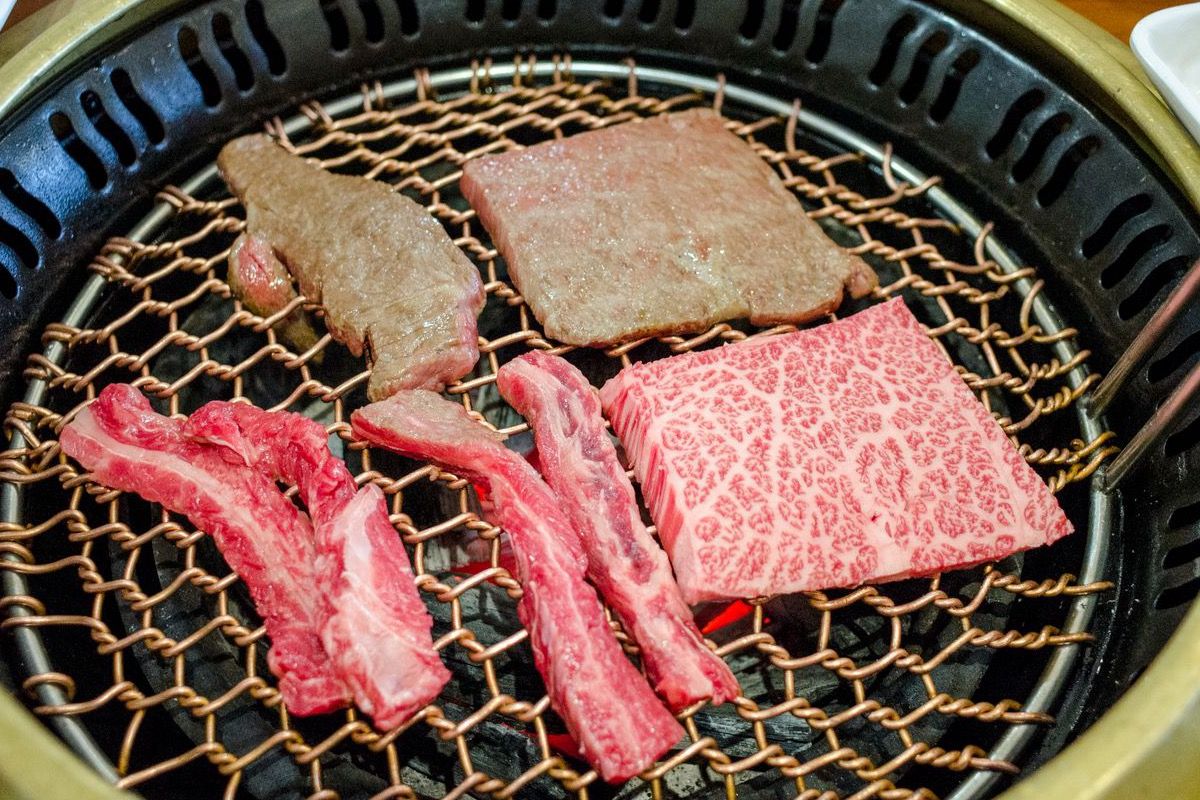
I spend a lot of time in Los Angeles Koreatown — one of the densest restaurant corridors in America. On any given night, a Korean BBQ house there runs a 40-item menu, and every entry carries its own instructions: grill times, sauce pairings, banchan refill rules. It is a beautiful, complicated menu. And it carries a price tag most owners never add up.
The owner of one such spot — let’s call him Mr. Kang — speaks Korean and English fluently. His best server, Maria, speaks Korean and Spanish, which covers most of his customer base. Maria makes $18/hour plus tips, about $2 more per hour than her English-only colleagues. That’s the market: bilingual front-of-house staff typically command a $2–$4/hour premium across the industry.
The $14,040 Line Item Nobody Budgets For
Run the math on language coverage alone:
3 bilingual servers × $3/hour premium × 30 hours/week × 52 weeks = $14,040 per year.
That’s not a scare tactic — it’s the conservative middle of the range. And the premium is only the beginning.
The Hidden Costs Are Worse Than the Premium
Bilingual candidates are roughly 40% harder to find than English-only hires, according to industry surveys. That means longer job searches, more recruiting fees, and more shifts covered by overtime at time-and-a-half.
Then there are the translation errors. A wrong order in a Korean BBQ house isn’t just a remake — it’s a table that waited 20 minutes for meat they didn’t want, plus a comped dish to make it right. Owners I talk to estimate $200–$400/month in comps and remakes from miscommunication alone.
What $14,040 Buys a Small Restaurant
Fourteen thousand dollars is a new exhaust hood. It’s two months of payroll for a prep cook. It’s a full year of rent on a second patio space. It’s the difference between a comfortable year and a stressful one — and right now, it’s being spent on the ability to read a menu aloud.
The Menu Can Translate Itself Now
With QRfood, your menu displays in any language automatically. Customers scan the QR code at the table and read the menu in English, Spanish, Korean, Chinese, Japanese, or 50+ other languages — with the same photos, prices, and cooking instructions you wrote.
Your English-speaking staff can deliver food, clear tables, and refill banchan. The menu translates itself. You no longer need a bilingual server just to take an order.
Your Bilingual Staff Deserve Better Than Menu-Reading
Here’s what Mr. Kang realized: Maria was spending half her shift reading menu items aloud — work a QR code does for free. The guests who genuinely need personal attention — first-timers, families, VIPs — got less of her. The menu was quietly stealing her from the guests who matter most.
That $14,040 in language premium goes straight back to your bottom line. And your best people go back to doing what you actually pay them for.
The Bottom Line
Bilingual staff are an asset — nobody is saying otherwise. But paying a permanent $14,040-a-year language tax just for order-taking is a choice, not a requirement.
Mr. Kang’s menu now reads itself in six languages. His hiring pool just got bigger, because the server no longer has to be the translator. And the money? It’s back in his pocket.
Scan. Read. Order. In any language. qrfood.ai.