My Indian Restaurant Menu Was a Mess. Now It Looks Like It Was Designed by a Pro.
I run a South Indian restaurant on the North Side of Chicago. For eleven years, our menu was a beast: 60-plus items across eight categories, a laminated two-pager that was out of date the day it came back from the printer. We fixed prices with a Sharpie. We crossed out sold-out dishes with a pen. It looked exactly as tired as it was.
I want to be honest about why we put up with it for so long. It was not laziness. It was fear of the number. I had looked into digital menus years ago and every quote came back the same way: a monthly subscription that started at a few hundred dollars for something as basic as a web page. For a family restaurant running on thin margins, that was a conversation that ended before it started.
The Sentence That Changed Our Menu
My son manages our front of house. On a slow Tuesday afternoon in the dead hours between lunch and dinner, he sat down across from me with his phone and said, "Dad. I found something. It's free."
I have heard "it's free" before. It usually means free until you are invested, then fifty dollars a month forever. I told him as much. He just handed me the phone.
Here is what actually happened next. I typed in "Madras Kitchen." I picked Indian from the cuisine list. I started adding our most-ordered dishes — dosa, idli, vada, sambar, our rasam, the lunch thali — grouping them by category the way I picture them in my own head. I wrote real descriptions, in English, the way I would explain a dish to a guest who has never eaten South Indian food. Then I added a version of the same menu in Hindi for our Indian regulars, because half of our Sunday crowd reads more comfortably in Hindi than in English.
My son timed me. Three minutes and twelve seconds. When I finished, I looked at the screen and said the thing I did not expect to say: "This looks better than the menu I paid a designer for."
The Part That Actually Surprised Me: The Photos
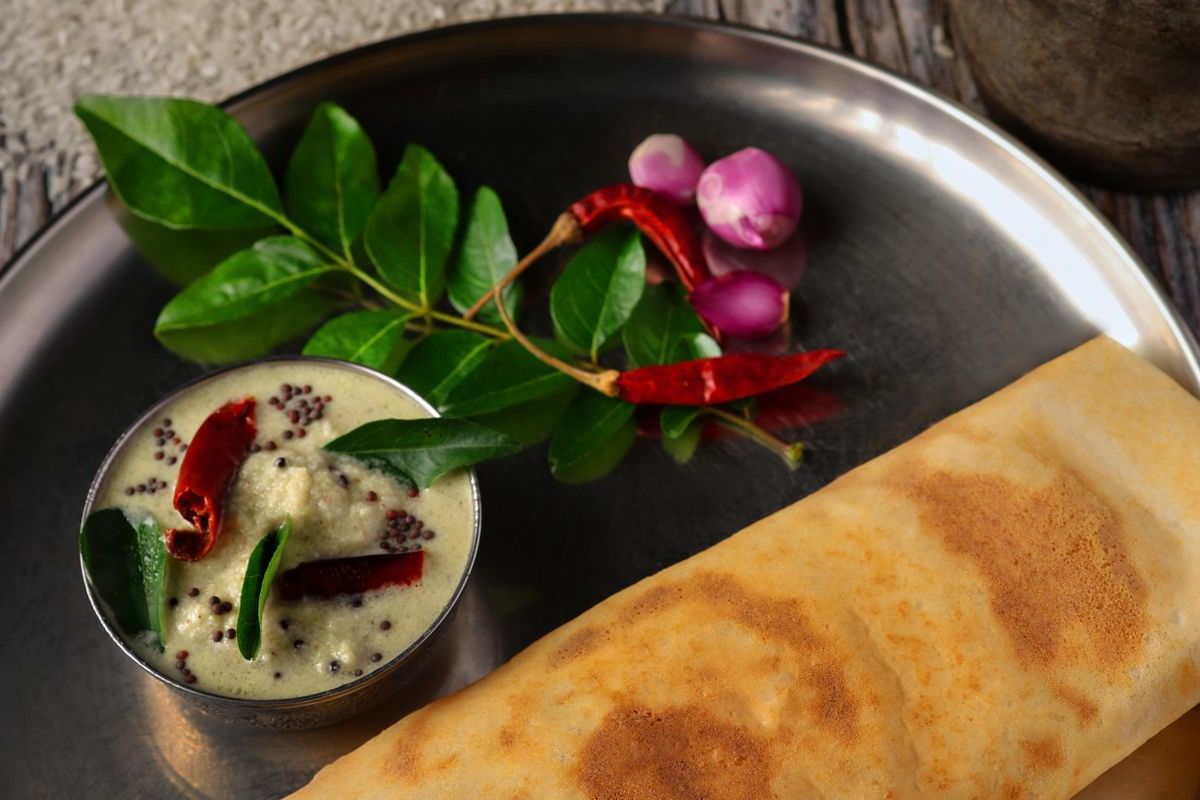
I am not a designer. I am not a photographer. I am a man who can make a dosa that people drive across the city for. So I did the only thing I knew how to do — I took pictures of our food on my phone, right there on the line, and uploaded them.
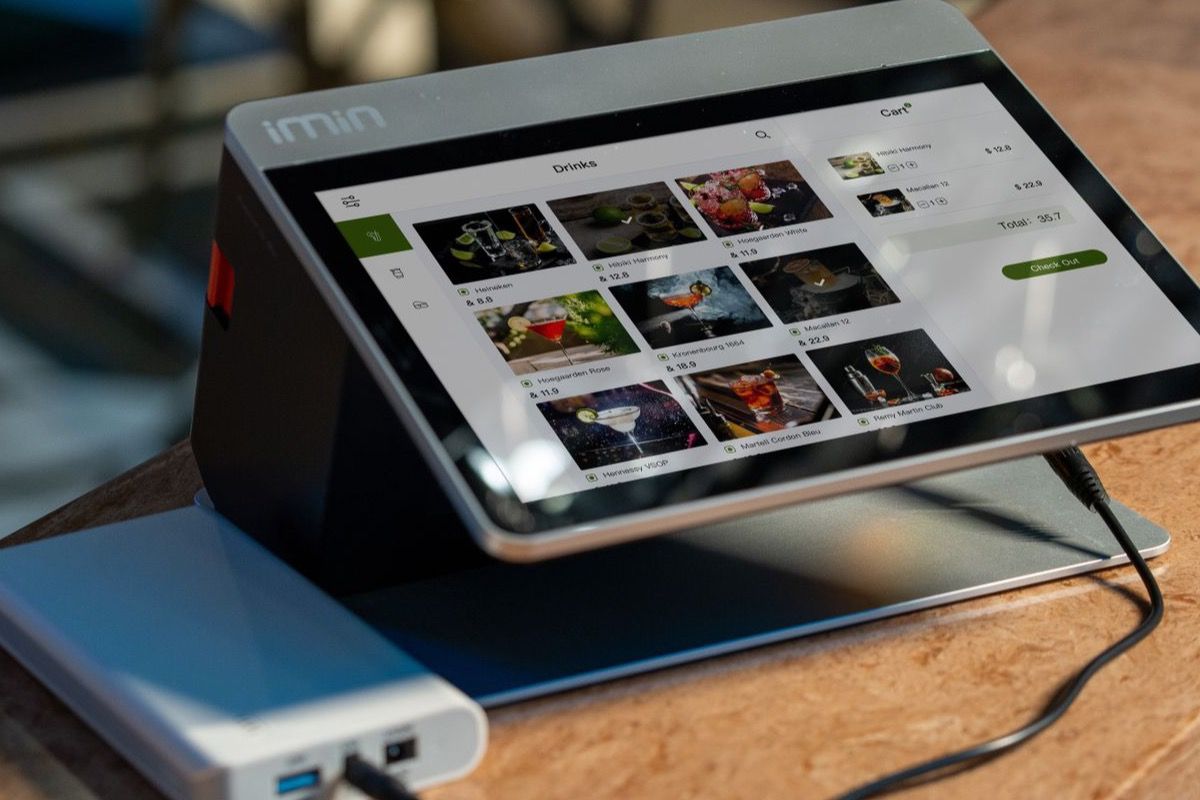
That was the moment the whole thing clicked for me. Vibrant. Clean. Organized by category, each dish with a photo and a description and a price that I could change without a printer. For the first time in eleven years, our digital menu looked like our food actually tastes.
We printed the QR code on small table tents and put one on every table, plus one taped by the register and one in the window. Total cost: the paper.
Week One: "I Never Knew You Had a Lunch Special"
Seven days in, a regular — a woman who has eaten here for two years, twice a month, always the same order — looked up from her phone and said, "I have been coming here for two years and I never realized you had a lunch special."
She was right, and it was on us. Our lunch special had been buried on page three of the paper menu, in small type, below the fold, in a place no human eye has ever voluntarily traveled. On the digital menu it sits at the top of the screen in its own category. She ordered it. She has ordered it every visit since.
Week Two: Lunch Orders Up 15% — With No Marketing
By the second week, our lunch covers were up roughly 15% over the same period the month before. I want to be precise about what we did and did not do: we ran no promotion, offered no discount, printed no flyer, spent nothing on advertising. The only thing that changed was that guests could finally read our menu without squinting, and could find the dishes we actually wanted them to order.
That is the quiet lesson of the whole year for me. We had been blaming the neighborhood, the weather, the economy. We had a menu that was hiding our own best food from our own best customers.
Week Three: I Changed Prices From Vacation. Cost: $0.
In the third week I was away for a family wedding. Our supplier's price on a key ingredient jumped, and eight of our dishes needed a price adjustment before the weekend. I opened the app on my phone, changed eight prices, and saved. That was the entire process. No call to the printer, no rush order, no re-lamination, no Sharpie.
For anyone who has ever managed a restaurant, that single moment tells the whole story of why paper menus are a losing game.
The Math Nobody Adds Up Until They Switch
Here is what our menu actually cost us before, laid out plainly:
💸 Printing: about $300 a quarter for reprints and updates — roughly $1,200 a year, for menus that were wrong within a month.
✏️ Labor: someone, usually me, spent several hours a month correcting prices and crossing off items by hand.
🙈 Hidden cost: the dishes nobody could find. Our own lunch special was invisible for years. Estimates in our own review of the year put the miss in the low five figures.
That last line is the one that matters. Printing and Sharpies are easy to see. A guest who would have ordered your best-margin dish, but never knew it existed, never shows up on any spreadsheet.
Why We Went Bilingual — and Why It Paid Off
Chicago has one of the largest Indian communities in the country, and our neighborhood reflects that. When we added a Hindi version of the menu, it was not a marketing decision. It was respect. Our older regulars, our Sunday families, our aunties and uncles who grew up with these dishes — they should not have to decode a menu written for someone else.
The side effect was commercial, and it was immediate. Guests spent longer in the menu, asked fewer clarifying questions, and ordered with more confidence. Order accuracy went up because nobody was guessing what "medu vada" meant. And our non-Indian guests benefited too, because the English descriptions finally explained what they were ordering instead of just naming it.
What I Would Tell Another Owner
If you are where I was — staring at a laminated menu that dishonors your food, convinced digital is expensive — here is the short version of everything I learned:
• Start with your best dishes, not all of them. I built our menu around the fifteen items we are actually proud of first. The rest came later.
• Use your own photos. A real, slightly imperfect photo of your dosa beats a stock image every time, because it is true.
• Write descriptions like you are talking to a first-timer. "Crispy fermented rice-and-lentil crepe, served with coconut chutney and sambar" sells. "Dosa" does not explain anything.
• Group by how guests decide, not how your kitchen is organized. People decide between "breakfast" and "thali" — not between "station 3" and "station 4."
• Add a second language if your community speaks one. It is not extra work; it is extra customers.
• Print the QR code everywhere guests already look: the table, the window, the register, the door.
What Changed, Honestly
The printed menus I used to spend $300 a quarter on? Gone. The Sharpie corrections? Done. The awkward "sorry, we are out of that" conversations about dishes we could simply hidden? Solved in two taps.
What is left is the problem every restaurant owner actually wants: guests discovering dishes they never knew we made, and coming back for them.
Madras Kitchen finally has a menu that matches the food. It took eleven years to accept that, and three minutes to fix.
qrfood.ai. Free to start. Three minutes to build. What are you waiting for?
Because in 2026, the restaurants that win are not the ones with the biggest menu. They are the ones whose menu people can actually read.