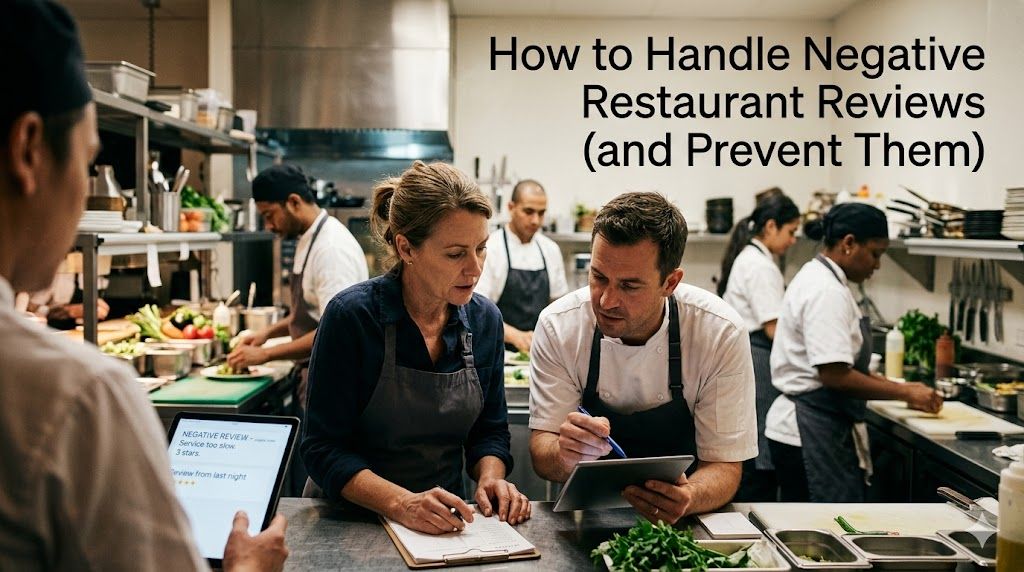
How to Handle Negative Restaurant Reviews (and Prevent Them)
One bad review costs you 30 customers, on average. Three bad reviews? You've lost 90 potential diners — and you never even knew they existed.
Let that sink in. You work 12-hour shifts, perfect your recipes, train your staff, and build a restaurant you're proud of. Yet a single negative online review can undo weeks of hard work before you've had your morning coffee.
I've helped over 200 restaurants manage their online reputation. Some of the busiest kitchens in New York, Austin, and Portland have shared their worst review nightmares with me. And I've seen firsthand how the right response — and the right systems — can turn a reputation crisis into a loyalty-building opportunity.
Here's my complete playbook for handling negative restaurant reviews, plus the proactive steps that prevent them in the first place.
Why Restaurant Reviews Matter More Than Ever in 2026
The numbers don't lie:
⭐ 93% of diners read online reviews before choosing a restaurant.
🚫 A single 1-star drop on Yelp can cost a restaurant $10,000 in annual revenue. (Harvard Business School study)
📉 One negative review in the top 3 results increases your bounce rate by 22%.
💬 78% of consumers trust online reviews as much as personal recommendations.
Here's the part most restaurant owners don't realize: Negative reviews aren't just a reputation problem. They're a customer intelligence goldmine. Every complaint tells you exactly what's broken in your operation. The question is whether you're listening.
Step 1: Respond Fast — The First Hour Rule
Speed matters more than you think. A review posted at 8 PM on a Friday night is being read by 200 people by Saturday brunch. Your response needs to beat the spread.
Here's my rule: respond within one business day, ideally within 4 hours. Restaurants that respond to reviews within 24 hours see 33% higher customer retention than those who take longer.
But speed without substance is worse than silence. A generic "We're sorry you didn't enjoy your experience" makes things worse. Customers can smell a copy-paste response from a mile away.
Step 2: Apologize Without Defensiveness
This is the hardest part for restaurant owners — especially the ones who pour their heart into their food. I get it. You're proud of what you serve. Seeing someone trash it online stings.
But here's the truth: your defensive instinct is your enemy. The moment you write "Actually, our chicken is always fresh" or "We've never had this complaint before," you've lost. You're now arguing with a customer in public, and the audience watching always sides with the customer.
Effective apology structure:
✅ Thank them. "Thank you for taking the time to share your feedback." (This disarms the reviewer.)
✅ Acknowledge the specific issue. "I understand your frustration about the 45-minute wait." (Proves you actually read it.)
✅ Apologize sincerely. No "we're sorry you feel that way." Say "We're sorry for the experience."
✅ Take it offline. "Please email us at [manager@restaurant.com] so we can make this right."
✅ Actually follow up. This is where most restaurants fail. If you promise a follow-up, do it.
Step 3: Take the Conversation Private
Your public response should be visible to anyone reading the review. Your resolution should happen in private.
Here's what happens when you get this right:
Let me tell you about Tony's Pizzeria in Brooklyn. A customer left a 2-star review: "Waited 50 minutes for a Margherita pizza. It was lukewarm when it arrived. Staff didn't seem to care."
Tony could have fired back with: "We're the busiest pizza place in Brooklyn. Wait times happen." Instead, he responded publicly: "Tony here, owner of the restaurant. I'm sorry about the wait and the lukewarm pizza — that's not our standard. Would you mind emailing me at tony@tonyspizza.com so I can personally make this right?"
The customer emailed. Tony sent a handwritten apology and a gift card for two free pizzas. The customer updated their review to 4 stars and wrote a follow-up: "The owner personally reached out. Class act. Will definitely be back."
That review went from damaging to marketing. Tony estimates it generated 12 new customer visits in the following month. All because he took 10 minutes to respond thoughtfully.
Step 4: Fix the Root Cause, Not Just the Symptom
When you start seeing patterns in negative reviews, don't just respond — redesign.
Common review themes and what they reveal:
"Service was slow" — Your kitchen workflow or front-of-house system needs attention. Are orders getting lost between the server and the kitchen? Are customers waiting because they can't get your staff's attention?
"The food was cold" — Your kitchen pacing or food runner system is broken. Are you cooking to order and serving immediately?
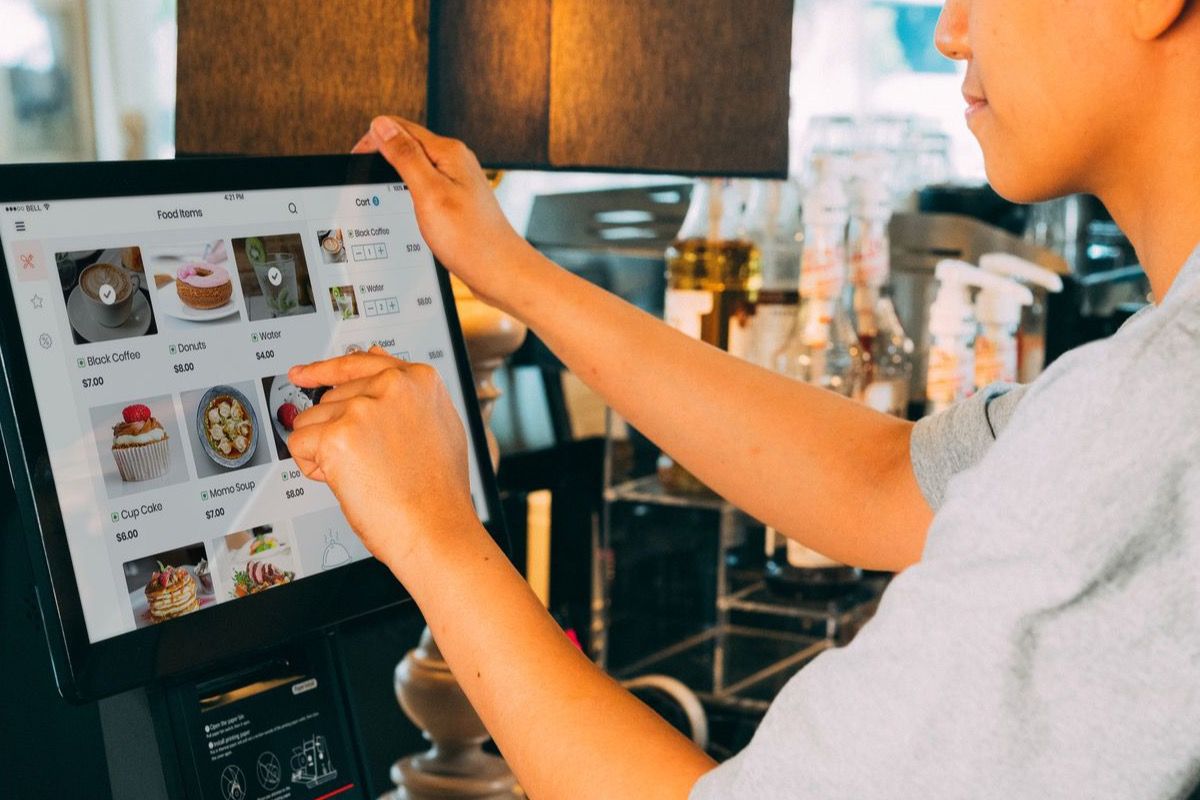
"The menu was confusing" — Your menu design needs work. Are prices unclear? Is there too much text? This is where a well-designed QR menu shines — customers browse at their own pace with photos and descriptions.
"Wrong order" — Your order-taking system has gaps. Handwritten orders, miscommunication between staff, noisy environments — all lead to mistakes. Digital ordering systems reduce errors by 35%.
"Too expensive" — Your pricing or perceived value is off. Consider adding combo options or clearer portion descriptions.
How Digital Ordering Prevents Negative Reviews
Here's where prevention beats cure. Many of the most common negative review complaints can be eliminated before they happen with the right systems.
Digital menus and QR ordering prevent complaints in three direct ways:
🛑 Eliminate wrong orders. When customers order through their own device, what they see is what they get. No "I said medium rare, not well done." Orders go directly to the kitchen. Error rate drops by 35%+.
⏱️ Reduce perceived wait times. Customers browsing a digital menu on their phone are distracted from the wait. They're engaged with your menu — looking at photos, reading descriptions, deciding what to order next. The 3 minutes they spend deciding feels like 30 seconds.
🔍 Prevent menu confusion. Multi-language support, dietary filters, and detailed descriptions eliminate the "I didn't know it had nuts" complaints. Everything is transparent.
💰 Increase perceived value. Digital menus can showcase high-quality food photography, highlight chef recommendations, and display combo deals. Customers see value before they see price.
Restaurants using QRfood's digital menus report 40% fewer service-related negative reviews within the first 3 months. The correlation is clear: when ordering is smoother, customers are happier.
Step 5: Build a Positive Review Funnel
The best defense against negative reviews is a mountain of positive ones. A restaurant with 500 reviews and a 4.5-star rating can absorb a bad review without blinking. A restaurant with 15 reviews and a 4.0 rating gets devastated by one 1-star review.
Here's how to build your positive review funnel:
🎯 Ask at the right moment. The best time to ask for a review is right after a great experience. Train your staff: when a customer says "That was amazing," follow up with "We'd love a review if you have a moment!
📍 Make it easy. Put QR codes linking directly to your Google/Yelp review page on your table tents, receipts, and digital menu footer. One tap, no searching.
⏰ Time it right. Send a follow-up text or email 2 hours after dining — not immediately (too pushy) and not the next day (too late).
🎁 Incentivize thoughtfully. Never offer discounts for positive reviews (it's against most platform policies). Instead, offer a small entry into a monthly drawing for all reviewers — positive or negative.
🔁 Respond to ALL reviews — good and bad. Restaurants that respond to every review see 12% higher ratings over time. The algorithm rewards engagement.
The "Review Recovery" Checklist (Print This)
When a negative review comes in:
☐ Read it three times before responding (let the emotional reaction pass)
☐ Respond within 4 hours (24 hours max)
☐ Thank the reviewer for their feedback
☐ Acknowledge the specific issue
☐ Apologize without excuses
☐ Take it offline with a direct contact
☐ Actually follow up within 48 hours
☐ Fix the systemic issue (not just this one complaint)
☐ Train staff on the change
☐ Monitor for improvement in future reviews
Your Reviews, Your Reputation, Your Future
Negative reviews aren't the end of your restaurant's story. They're a chapter. How you respond — and what you learn — determines the plot.
Every bad review is someone telling you exactly what needs to improve. That's free consulting. Use it.
And when you're ready to prevent the common complaints — wrong orders, long waits, menu confusion — take a look at how QRfood's digital menu and ordering system helps restaurants serve faster, order more accurately, and earn better reviews.
Because the best review strategy is serving food so good — and an experience so smooth — that customers can't wait to tell everyone about it.