Hollywood Boulevard's $20M Language Problem: 12 Nationalities, One Coffee Shop
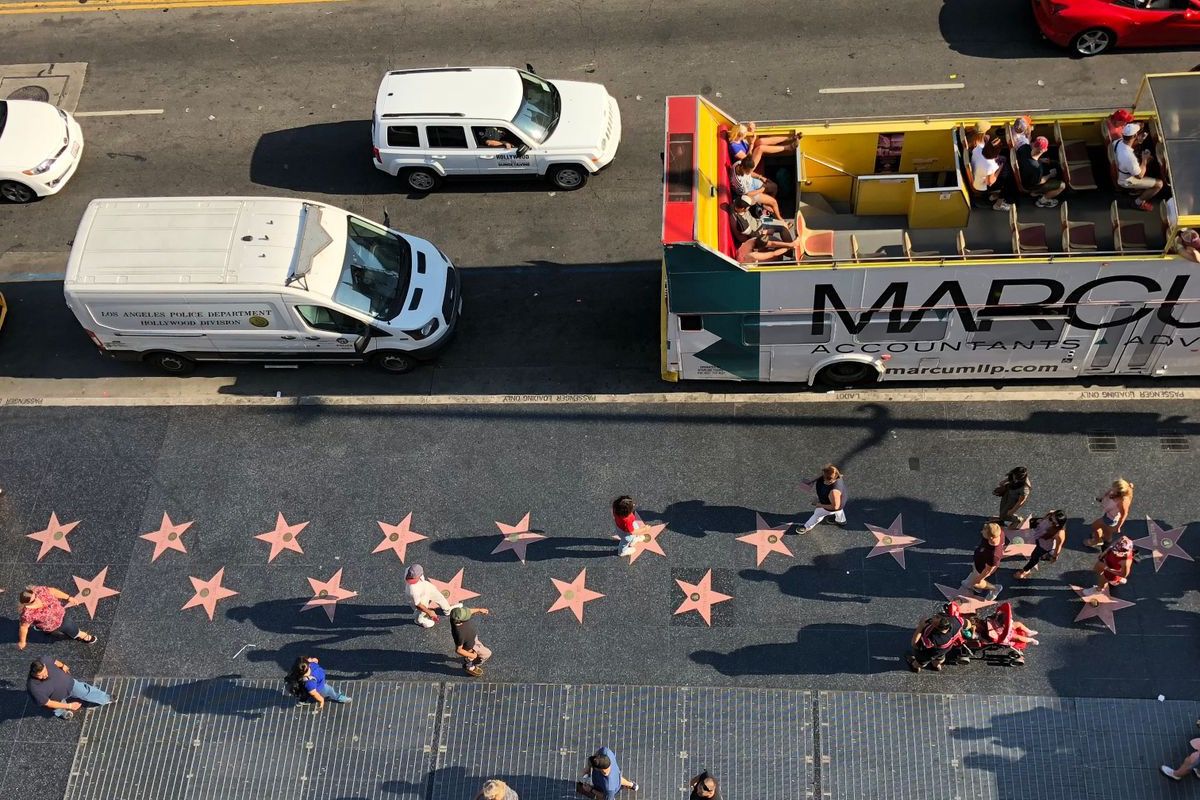
It is 2 PM on Hollywood Boulevard. Outside your cafe, a Japanese family stops to photograph the Walk of Fame stars. A French couple argues over which direction to walk. Three German backpackers pull out their phones to find somewhere to eat. A Chinese tour group trails a flag-holding guide past your window.
They all pass your door. The only question that matters for your business is how many walk in — and how many keep walking because they cannot read what you are selling.
The 45% of Foot Traffic Most Restaurants Ignore
Hollywood draws more than 10 million visitors a year to the Walk of Fame area alone. Before the pandemic, roughly 45% of Hollywood Boulevard's foot traffic was international, led by visitors from China, the UK, Japan, Mexico, and Germany. The average visitor in the district carries about $180 a day in dining budget.
That is not a niche. That is nearly half of your potential covers, arriving from a dozen countries in a single afternoon — and most of them cannot comfortably read a menu printed in English only.
The Real Problem Is Not Hunger. It Is Trust.
Tourists want local food. What they do not want is to gamble on a dish they cannot read. An $18 avocado toast becomes a risk when nobody can confirm what is in it. A $14 signature latte gets traded down for a plain coffee, because plain coffee is the one thing on the menu they are absolutely certain about.
It is not that they are cheap. It is that uncertainty has a cost, and the safest option always wins. In behavioral terms, a guest who cannot read your menu is not choosing the dish they would enjoy most — they are choosing the dish they are least likely to misunderstand.
What a Single-Language Menu Actually Costs You
Run the arithmetic on one ordinary afternoon. Say 40 tables sit down in your cafe between noon and 6 PM. If even a third of them are international and each non-reading table takes four to five extra minutes to order, you are burning a full hour of table time a day — and every one of those minutes is a seat that is not turning.
Then add the quiet losses. Guests who can read a menu in their own language order 25 to 35% more, because descriptions, portion sizes, and add-ons finally become legible. Tourists who do not understand the menu do not buy the dessert, do not add the side, and do not mention the experience to the eleven people back home who are planning the same trip.
One Coffee Shop, Twelve Languages, One QR Code
Rosa runs a 32-seat coffee shop two blocks off the Boulevard. For years her menu was a single laminated sheet in English, and her staff spent half of every shift translating by hand for confused visitors.
Her words: 'I was not losing customers because my coffee was bad. I was losing them because they could not tell what to order, and I did not have the time to explain it twelve times an hour.'
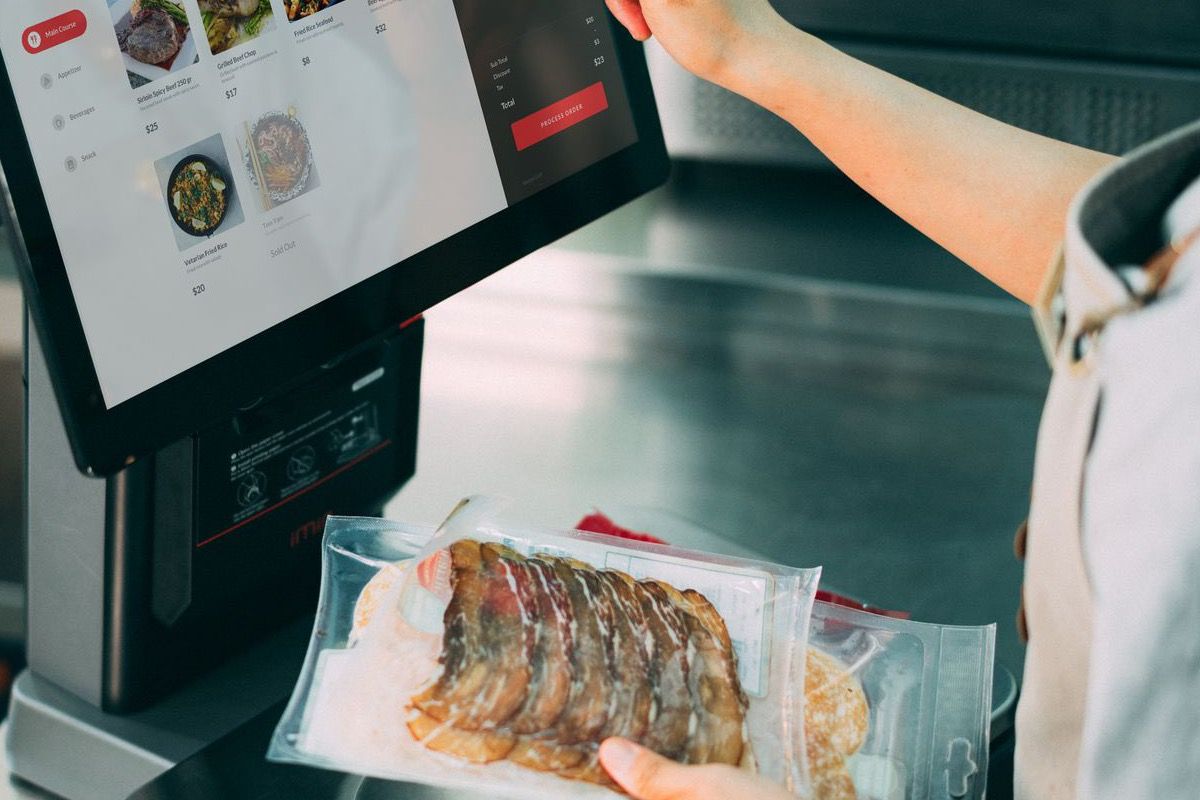
She put a QR code on each table. Guests scan, pick their own language from twelve options, and see the full menu — photos, ingredients, prices, allergen notes — in the language they think in. Her staff stopped translating. Orders got faster and larger. Within a month she noticed the thing she did not expect: people were ordering the drinks she used to have to sell.
How to Fix This in One Afternoon (3 Steps)
Step 1: Build your digital menu. Log into your QRfood dashboard, add your real dishes with photos, descriptions, and prices, and let the platform translate them into the languages your foot traffic actually speaks.
Step 2: Generate one QR code. Download it, print it as a table tent or window decal, and place it where guests already stop — the door, the counter, every table.
Step 3: Train the greeting. Tell your team to say, 'Scan here and the menu is in your language.' Within days, most guests scan without being asked.
Best Practices for Tourist-Weighted Menus
• Lead with photos. Visitors cannot read a dish name they have never seen; they can always read a picture. Photography closes the language gap faster than any translation.
• Mark allergens and dietary tags clearly. Vegetarian, vegan, halal, gluten-free — these questions are the biggest source of delay and the easiest to answer up front.
• Use plain-language descriptions. 'Grilled chicken, house salad, 20-minute lunch' travels across a language barrier better than a poetic menu line.
• Keep prices visible and current. Nothing kills tourist trust faster than a price that does not match the check. A digital menu updates everywhere the moment you change it.
• Add a quick-lunch callout for the daytime crowd. Tourists on a schedule buy speed; give them a section that promises it.
The Numbers: What Restaurants Like Yours Report
📊 Guests ordering in their own language spend 25-35% more per visit
⏱️ Order time for non-reading tables drops by roughly 4-5 minutes
🌍 One QR code covers 12+ languages, updated in seconds
💵 Menu printing and reprint costs fall to $0
⭐ Clearer menus reduce 'what is in this?' questions and order errors
Common Objections — Answered
'Will tourists actually use a QR menu?' They already do. Scanning a code is second nature for the international visitors who make up nearly half of Hollywood's foot traffic.
'I do not want to lose the printed menu.' Keep one as a backup for anyone who prefers it. The QR menu is a second front door, not a replacement — it just happens to open onto twelve languages.
'Is it expensive or slow to set up?' QRfood is free to set up and takes about three minutes. If the language fix lifts a single table's check by a few dollars, it has paid for itself before your afternoon rush ends.
Your Sidewalk Is an International Runway
Every hour, Hollywood Boulevard hands you a parade of guests from a dozen countries, each carrying a real dining budget and a real willingness to spend it. The only thing standing between them and your register is a menu they cannot read.
A QR code in their language removes that hesitation. French guests order with confidence. Japanese tourists add dessert. Chinese visitors scan and choose inside their comfort zone.
Your location is worth more than a single-language menu. Give every passing tourist a reason to walk in — and the confidence to order. Free setup, three minutes, 12+ languages.
Scan. Order. Serve. Grow.