"I Couldn't Read a Thing" — How a Flushing Dim Sum House Won Back 27% Table Turnover
Walk past Ming's Dumpling House on Flushing's Main Street any Tuesday at one o'clock, and you'll see it: half the tables, empty. The food? Delicious. Everyone in the neighborhood knows it. Regulars from the Chinese community pack the place on weekends. But there's a whole stream of customers walking right by — and the owner finally figured out why.
Sixty percent of the people passing that storefront every day are not Chinese speakers. And to them, the wall menu might as well be a foreign language test. They can't read a single word. So they keep walking.
The Problem No One Talked About
For years, the owner assumed the food would speak for itself. It does — but only if people can figure out what to order. Non-Chinese customers would stand at the counter, point at random dishes, guess at prices, and hope for the best. Many didn't even try. They'd glance at the menu, feel the wall of characters, and leave.
That's the quiet tax of language barriers: not the customers who order wrong, but the ones who never order at all.
A Two-Week Experiment
So the owner ran a simple experiment. For two weeks, English descriptions and photos appeared next to every Chinese menu item. Nothing else changed — same food, same prices, same staff.
The result? Lunch table turnover jumped 27 percent.
Office workers from the courthouse next door — people who used to walk straight past — started sitting down to eat. The owner told me: "They used to just point at random. Now they order with confidence."
The Data Behind the Story
Ming's isn't alone. A 2023 survey of 500 restaurants in immigrant communities found that restaurants with bilingual menus draw 30 percent more foot traffic on average than their single-language competitors.
In mixed neighborhoods like Flushing — where Asian and non-Asian communities overlap daily — the gap is even wider: up to 38 percent.
What the Data Doesn't Tell You
Numbers capture the traffic. They don't capture the moment a customer walks in because, for the first time, they can actually read the menu. That moment of relief and belonging — that's what turns a passerby into a regular.
Where QR Food Comes In
Ming's printed new menus for the experiment. But what happens next time a dish changes? A price moves? A new chef adds a special? Every update means reprinting — and reprinting means the bilingual menu quietly goes stale.
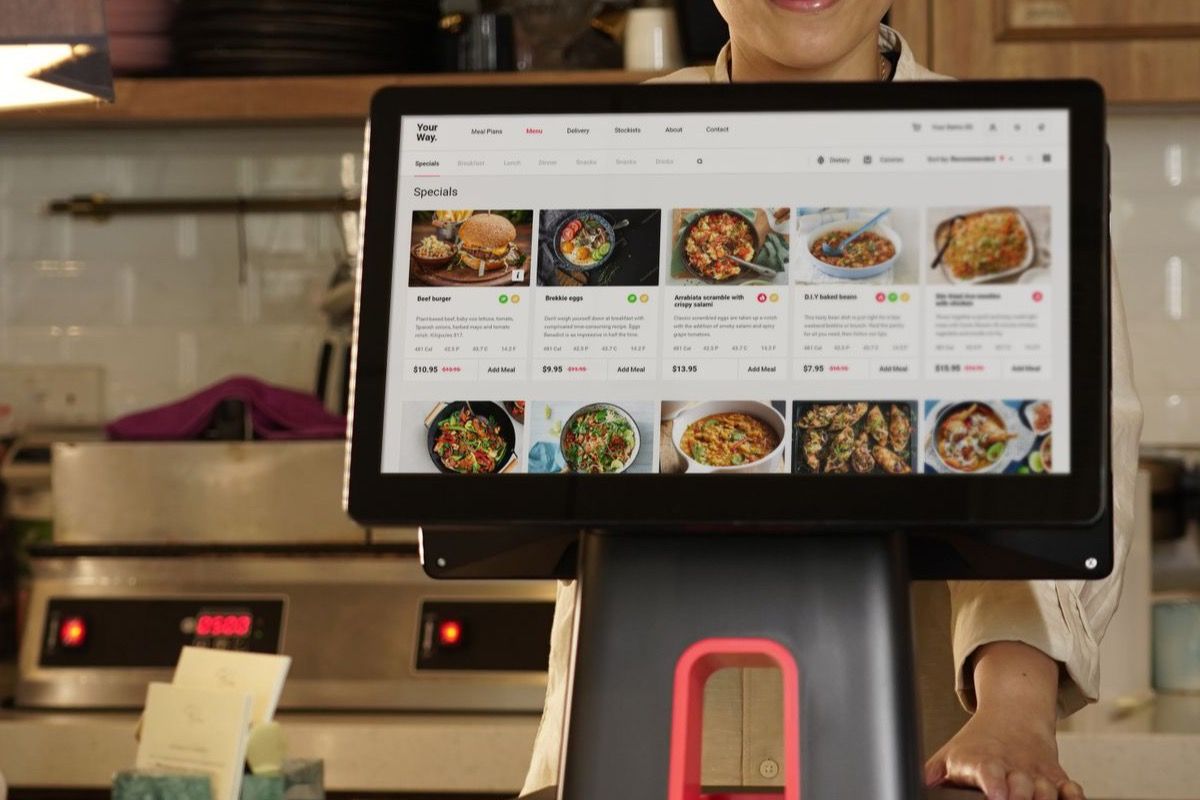
That's where QR Food changes the game. Customers scan a QR code on the table, and the menu opens on their phone — in their language. Chinese, English, Korean, Spanish. All live, all the time, updated instantly from your dashboard.
With a multilingual digital menu, every guest reads the menu in their own language — no menu translation guesswork, no reprinting, no lost customers.
No reprints. No stale menus. No language barrier between your food and the people who'd love it.
The Menu That Speaks Their Language
Ming's experiment proved the point: when people can read the menu, they come in. QR Food makes that permanent — for every customer, in every language, on every visit.
Don't let language quietly eat your revenue. Start free at qrfood.ai and give every customer a menu they can actually read.