Fast Casual and Fine Dining: QR Ordering Looks Different — and Both Work
Every week a restaurant owner tells me some version of the same thing: "QR ordering works for Chipotle. My restaurant is different."
They are right — and that is exactly the point. QR ordering was never designed to be one-size-fits-all. The reason the same technology shows up in a Sweetgreen on a Tuesday lunch rush and in a Jean-Georges dining room on a Saturday night is not that every restaurant uses it the same way. It is that each segment implements it differently, to solve the pain that hurts the most.
The Objection I Hear Every Week
When owners say "my restaurant is different," what they usually mean is: "my guests expect a certain kind of experience, and I am not going to break it." That instinct is correct. Great operators protect the guest experience above everything else — and they should.
But protecting the experience and digitizing the experience are not opposites. The real question is not whether to add technology. It is where technology helps, and where it quietly gets in the way.
Fast Casual and Quick Service: Where Speed Is the Product
In fast casual and quick service, speed is not a feature — it is the product. Guests are not looking for ceremony. They are looking for a line that moves.
Shake Shack, Sweetgreen, and CAVA have all doubled down on digital ordering for exactly this reason. The model is deliberately simple: scan, order, pay, pick up. Nothing more.
The results are measurable. Sweetgreen has reported roughly 25% faster throughput and 15% higher check averages once digital ordering is in the mix. The mechanism is unglamorous but very real: a QR code removes the cashier bottleneck that strangles every 12:30 lunch line.
For a quick-service operator, the win is throughput. More orders per hour, and fewer guests walking away simply because the line looked too long.
Full-Service and Fine Dining: Where Service Stays, Technology Assists
This is where the conversation gets interesting — because fine dining is the segment most resistant to QR codes, and the one most often used to argue that "QR ruins the experience."
High-end restaurants like Jean-Georges in New York do use QR menus. But they do not replace the server. The code sits alongside traditional service. A guest can browse the wine list in their own language, read ingredient details on a dish, or quietly call the server when they need something. No pressure. No replacement. Just enhancement.
That reframing matters. Guests are not asking for less service — they are asking for less friction inside the service. A 2025 Zagat survey found that 44% of fine-dining diners actually prefer having both options: a human server and a digital menu they can read at their own pace.
Done well, QR ordering in fine dining is invisible. It supports the room instead of competing with it.
Bars and Lounges: Where the Clock Is the Enemy
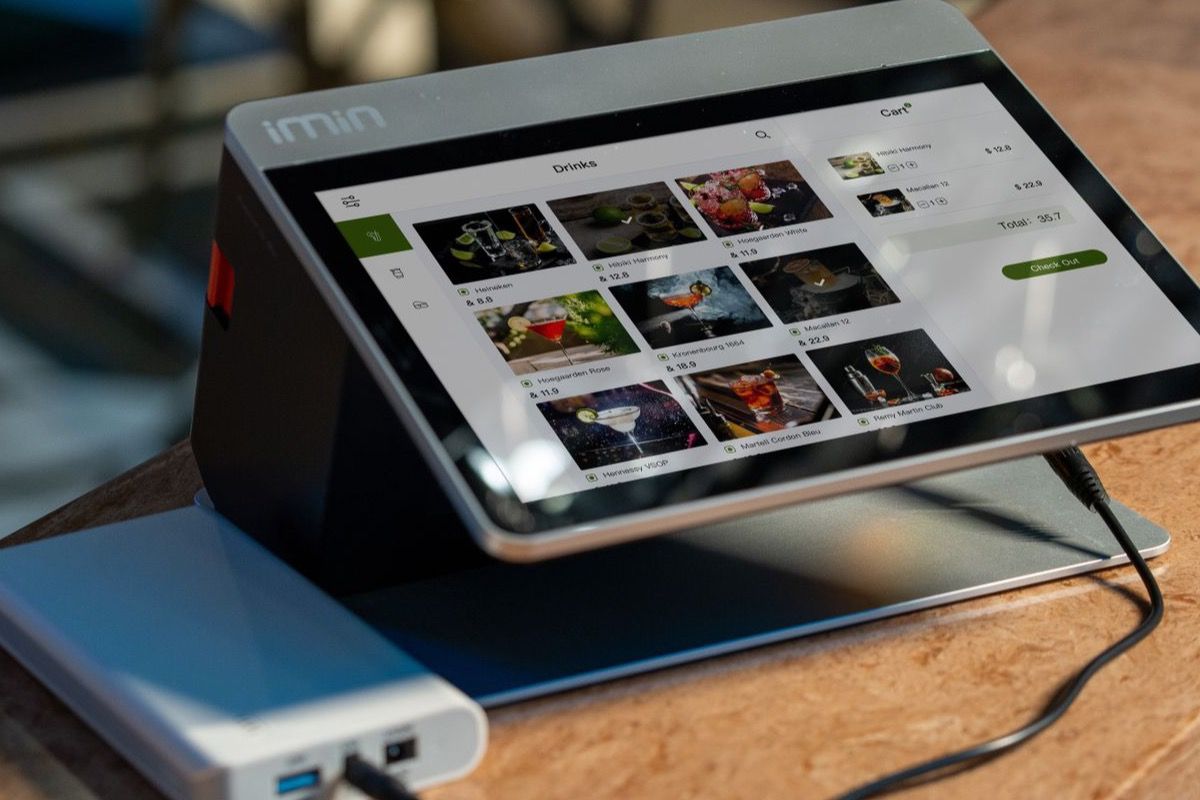
In a busy bar, speed is everything and every wasted second is revenue lost. A guest who cannot get a drink in under five minutes starts looking for the check instead of another round.
QR ordering at speakeasies and sports bars has cut drink-order wait times from roughly nine minutes to under three. The bartender keeps making drinks instead of running credit cards, and the guest gets a second round instead of a reason to leave.
What Every Segment Actually Shares
Strip away the concept and the differences shrink fast. Every restaurant I work with — food truck, taqueria, ramen shop, steakhouse — is fighting the same four problems:
• Understaffing that is not going away
• Language barriers between guests and staff
• Order-accuracy mistakes that cost money and trust
• Rising costs that make every wasted minute expensive
QR ordering addresses all four, regardless of concept. That is why it works across every segment — not in spite of the differences, but because the underlying pain is identical.
How QRfood Adapts to Your Service Model
QRfood is built for this diversity. Fast casual gets speed: scan, order, pay, and a kitchen ticket that appears instantly. Fine dining gets elegance: a beautifully rendered menu that supports the service instead of interrupting it.
Both get the same foundation — multilingual menus, POS integration, and an ordering experience designed for the specific way your restaurant serves guests.
The Bottom Line
Your restaurant type does not limit QR ordering. It shapes how you use it.
The operators who win the next few years will not be the ones who adopt the most technology. They will be the ones who match the right technology to the right moment — speed where guests want speed, and restraint where guests want to be hosted.
Find your approach at qrfood.ai.